
Experience Professional SMART Amalgam Removal
in Joondalup
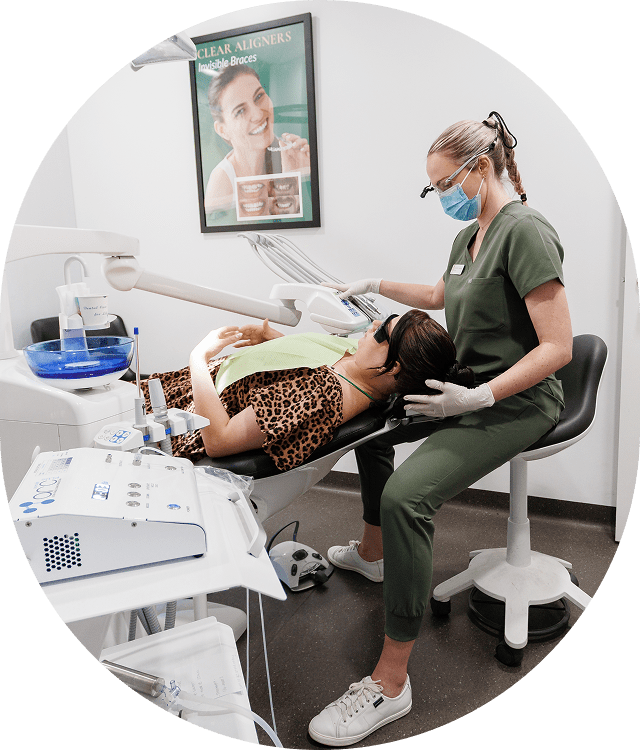
SMART amalgam removal in Joondalup, using suction and isolation protocols to support structured, patient-focused dental care.
What is the SMART Protocol for
Amalgam Removal?
Traditional amalgam removal can release vapours and particles, which may require additional precautions to manage. Without structured protocols, exposure levels can be higher than necessary for both patients and dental teams.
That’s why the SMART dental protocol Australia clinics follow outlines protective steps such as suction, rubber dam isolation, and air filtration. At Crown Holistic Dental, we apply these measures as part of a structured approach to amalgam removal in Joondalup.
Why Choose Crown Holistic Dental for Holistic Dentistry
Whole-Person Perspective in Dental Care
Our recommendations consider functional and comfort-related factors that may influence everyday life, while focusing on maintaining a healthy smile. This approach helps patients receive care that supports them in maintaining oral health, which is an important part of general well-being.
Biocompatible Materials for Patient Care
We offer a range of commonly used dental materials, including BPA-free composites. These materials are selected with patient comfort and compatibility in mind, and may help reduce the likelihood of irritation or sensitivity. Options are explained and discussed so patients can make informed choices tailored to their individual needs and preferences.
Collaborative Care When Appropriate
Where beneficial, we coordinate with other health professionals, such as myofunctional therapists or paediatricians, to support a more comprehensive approach. This collaboration is designed to address relevant contributing factors to oral health, provide care that considers their individual needs and provide integrated, professional dental care.
Prevention as a Priority
We focus on prevention as the foundation of good dental care. Through early detection, personalised treatment plans and patient education, we aim to support the maintenance of oral health. This proactive approach may help reduce the likelihood of needing more complex treatments over time.
SMART Amalgam Removal:
Who is it for?
- People interested in amalgam removal may prefer a structured process that includes recognised dental protocols such as high-volume suction and isolation barriers.
- Patients with specific material preferences can discuss alternative restorative options with their dentist during treatment planning.
- Some patients choose amalgam removal as part of their personal approach to dental care.
- Our clinic can discuss different treatment approaches during consultation to help patients make informed decisions.
Benefits of
SMART-Based Amalgam Removal
- High-volume suction and filtration systems help manage aerosols throughout removal.
- Our Joondalup dentist offers professional amalgam removal using structured protocols reviewed in consultation, helping patients make informed and personalised dental decisions.
- Treatment approaches can be reviewed during consultation, supporting informed patient choice.
- The SMART dental protocol Australia recognises outlines protective measures such as barriers, suction, and air filtration to guide amalgam removal practices.
Talk to Us About
SMART Filling Removal
Interested in SMART filling removal? Our team uses structured protocols, including suction systems and rubber dam isolation. These help manage aerosols and support a professional approach to amalgam removal tailored to your treatment plan.
What Happens During SMART Amalgam Removal
Protective Preparation
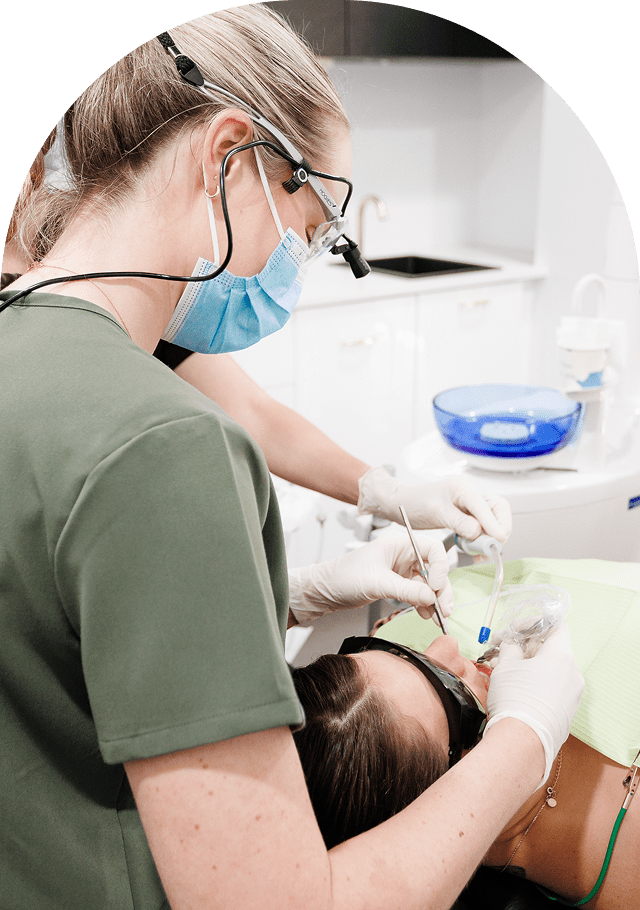
The procedure begins with placing a dental dam to isolate the treatment area. Oxygen may be delivered through a nasal mask to separate breathing from the treatment field. Additional protective barriers are applied to cover surrounding tissues, skin, and clothing, helping to contain particles during the amalgam removal process.
Filtration and Suction Setup
High-volume suction units are positioned close to the treatment site to collect aerosols generated during the procedure. These suction systems often include specific filtration attachments. Their purpose is to capture particles as they are released, which helps maintain a more controlled environment for both patients and dental teams.
Sectioned Amalgam Removal
Amalgam is removed in sections using a slow-speed dental handpiece with continuous water cooling. This technique reduces heat build-up and helps manage aerosol production during drilling. By sectioning the filling into larger pieces, the process avoids unnecessary friction and allows for more controlled handling of the restoration during treatment.
Waste Containment and Clean-Up
Once removed, amalgam fragments are placed in sealed containers for licensed disposal. The operatory is cleaned using suction systems, disposable barriers, and air filtration steps. These measures are applied to help manage residual materials and maintain appropriate environmental handling following the amalgam removal procedure..

Frequently Asked Questions
What is the SMART protocol for amalgam removal?
The SMART protocol refers to the Safe Mercury Amalgam Removal Technique, developed by the International Academy of Oral Medicine and Toxicology (IAOMT). It outlines detailed steps followed by some dental practitioners during amalgam removal.
At Crown Holistic Dental, we follow the SMART dental protocol, developed internationally, applying measures such as high-volume suction, rubber dam use, air filtration, and protective equipment. These steps are included as part of our clinical process.
Each stage involves controls designed to manage aerosols during treatment. Our approach also includes discussion of treatment options and material choices as part of personalised dental planning. At Crown Holistic Dental, we offer SMART amalgam removal in Joondalup as part of this structured approach.
What is the controversy around mercury in dental fillings?
Dental amalgam is a material made from elemental mercury combined with metals such as silver, tin, and copper. It has been used in dental restorations for many decades.
Research has examined how small amounts of vapour may be released, particularly during chewing or grinding. Findings and regulatory positions differ internationally, and some patients seek alternatives for personal reasons.
At Crown Holistic Dental, we provide treatment plans that include amalgam removal using recognised dental protocols such as high-volume suction and isolation barriers. These plans also involve discussion of restorative materials, helping patients make informed decisions about their dental care.
What should I know before having an amalgam filling removed?
Removing amalgam fillings may increase mercury exposure if precautions are not followed during the procedure. Heat and friction can release mercury in an aerosolised form, which is why specific measures are commonly applied.
At Crown Holistic Dental, your Joondalup dentist for professional amalgam removal, we follow structured suction, barrier, and filtration protocols to support a controlled treatment environment.
The SMART protocol, developed by the IAOMT, describes practices that include high-volume suction, rubber dams, and filtration systems used by some dental practitioners. These techniques form part of treatment plans aimed at providing a structured approach to amalgam removal, consistent with established clinical guidelines.
How do you prepare for amalgam removal?
At Crown Holistic Dental, we follow a structured preparation process designed to help patients understand the treatment. Our team considers your oral health and medical history when planning your SMART amalgam removal in Joondalup.
- Comprehensive Consultation and Assessment
We begin with a detailed examination of your amalgam fillings, medical history, and oral health, ensuring amalgam removal considering overall patient wellbeing. - Pre-Treatment Recommendations
You may receive guidance on hydration, rest, or nutrition in the days before your appointment. These steps are intended to help you feel prepared for treatment. - Procedure Timing and Scheduling
We consider any existing medical conditions, upcoming health plans, or medications when scheduling treatment. This ensures your dental care is aligned with your broader health needs. - Material and Protocol Planning
During consultation, we discuss the materials used to restore your teeth and the protocols applied during amalgam removal. This provides transparency and supports informed decision-making about your treatment options.
How long does it take to remove an amalgam filling?
The time it takes to remove an amalgam filling can vary based on factors such as the filling’s size, location, and condition. Additional time may be needed if multiple teeth are involved or if the patient presents with complex oral health considerations.
In most cases, removing a single amalgam filling typically takes between 30 and 60 minutes. This timeframe includes preparation, protective steps, material removal, and restoring the tooth with a filling suited to the case.
Longer appointments may be required when several fillings are removed in one visit or when broader health factors influence planning. Treatment timing will be discussed during your consultation, taking into account your clinical needs and procedural considerations.
What are the side effects of amalgam removal?
Following the removal of amalgam fillings, some patients may experience short-term side effects. These are typically the result of the dental procedure itself rather than exposure to mercury. Effects are usually mild and temporary and may occur as the surrounding tissues adjust to the changes made during treatment.
Some responses can occur after treatment, such as those listed below:
- Tooth sensitivity:
The tooth may feel sensitive to hot or cold temperatures or when pressure is applied during chewing. This is often temporary and can occur as the area recovers from the procedure. - Gum irritation:
The gum tissue near the site of removal may appear slightly inflamed or feel tender. This may result from contact with instruments or exposure during the process. - Jaw fatigue or discomfort:
Some patients notice jaw tiredness or minor aches after keeping their mouth open for an extended period. This effect typically subsides shortly after the procedure is completed.
These responses can vary depending on the patient and the complexity of the procedure. Practitioners use a range of protective measures to help manage exposure risks and support a stable treatment process. These steps are applied consistently as part of the broader procedural protocol.
Is amalgam removal painful?
The experience of discomfort during amalgam removal varies depending on the patient and the procedure. Local anaesthesia is commonly used to numb the treatment area, helping reduce sensitivity during the appointment.
It is common to feel pressure or vibration from dental instruments. While the sensation may be unfamiliar, many patients describe it as different from sharp pain.
After treatment, some patients notice short-term effects such as tenderness, sensitivity to pressure, or general fatigue in the treated area. These effects usually resolve soon after the procedure. The dental team provides guidance on aftercare and symptom management tailored to each patient.
What steps are used to remove mercury during dental procedures?
Mercury removal during dental treatment involves a series of precautionary measures designed to manage vapour and particles generated in the process. These are applied as part of clinical protocols for amalgam removal.
The measures may include:
- Tooth isolation:
A non-latex dental dam isolates the tooth from the rest of the mouth to prevent ingestion of debris. - High-volume suction:
Devices are placed close to the tooth to collect vapour and particles as they are released. - Continuous cooling:
Water spray is used during drilling to keep the area cool and reduce vapour production. - Air filtration systems:
HEPA filtration units may be used to redirect and filter air during treatment. - Protective equipment:
Patients and staff may use protective masks, eyewear, gloves, and drapes as part of the protocol. - Room ventilation:
Air purification systems or external exhaust can circulate air and reduce particle accumulation.
These measures are included in treatment protocols at our clinic, consistent with current clinical guidelines for amalgam removal.
What happens to the mercury after filling removal?
- Collection During the Procedure:
Mercury-containing fragments are captured immediately with high-volume suction and isolation barriers. This reduces vapour release and limits the spread of particles in the treatment area. - Secure Waste Storage:
The collected material is placed in sealed, vapour-resistant containers designed specifically for amalgam waste. These containers meet recognised safety and compliance standards for hazardous dental materials. - Regulated Handling and Labelling:
Dental professionals follow established protocols to label, store, and prepare the waste for transport. This ensures it is managed in line with clinical and environmental regulations. - Licensed Disposal and Processing:
Authorised waste management services collect the sealed containers. The contents are then processed at approved facilities in line with national waste disposal requirements.
This multi-step process supports the responsible management of mercury waste, from removal to final disposal. It forms part of a structured approach consistent with current environmental and clinical standards.
Is mercury released when amalgam fillings are drilled?
Drilling an amalgam filling may release small amounts of mercury vapour and particulate matter. This may occur due to the heat generated by the dental handpiece, the speed of drilling, and the duration of contact. These factors can influence the amount of vapour released into the surrounding environment during the procedure.
To manage this risk, dentists implement specific control measures throughout the removal process. Continuous water cooling is applied to reduce heat and lower the likelihood of vapour formation. High-volume suction is placed close to the tooth to capture any released particles and help prevent their spread in the treatment area.
These measures are part of a more comprehensive procedural protocol followed during amalgam removal. The goal is to apply techniques that help manage airborne exposure in accordance with current clinical guidelines and patient care standards.
What equipment is used in the SMART protocol?
The SMART protocol utilises specific tools and techniques to minimise mercury vapour and particle exposure during amalgam removal. Each piece of equipment plays a role in supporting a controlled environment throughout the procedure.
- Dental dam
A non-latex rubber dam is used to isolate the tooth undergoing the procedure. This barrier helps prevent amalgam fragments from contacting oral tissues or being ingested while also maintaining a clean and dry treatment area. - High-volume evacuation (HVE)
A continuous suction system is placed near the tooth during drilling. It collects airborne mercury particles at the source to help reduce their spread within the treatment environment. - Water-cooled drill
Water-spray-equipped dental handpieces cool the filling during removal. Reducing the site’s temperature helps limit vapour generation due to heat and friction. - Air purification systems
External units equipped with HEPA and carbon filters can be used to draw contaminated air away from the treatment area. Some setups include external exhaust vents to direct filtered air outside the building. - Protective equipment
Patients may wear face drapes, oxygen masks, and protective eyewear during treatment. Dentists use sealed goggles, respirators, gloves, and gowns to help reduce the risk of direct contact with mercury particles. - Amalgam separator
This device is integrated into the clinic’s wastewater system. It captures mercury and other particles before they enter the drainage system, helping support environmentally responsible waste disposal.
These tools are used together as part of a structured, procedural approach based on guidelines developed for the removal of amalgam. Their application reflects current standards in dental mercury management and procedural planning.
How do you know if your amalgam fillings are leaking?
Our team can assess whether your amalgam fillings are showing signs of wear or leakage. These changes are not always visible, but some symptoms may suggest that the filling is no longer intact. We recommend booking an evaluation if you notice any of the following:
- Sensitivity to Temperature or Sweets:
Increased sensitivity when consuming hot, cold, or sweet items. This may occur if gaps have formed between the tooth and the filling. - Visible Damage or Staining Around the Filling:
Cracks, gaps, or discolouration near the filling may indicate changes in tooth structure or material breakdown. - Metallic Taste or Discomfort When Chewing:
A metallic taste or discomfort when biting may indicate microleakage. This could mean the restoration is no longer effectively sealed.
Routine dental check-ups allow us to monitor restorations and identify early signs of wear. Our approach combines visual inspection, functional tests, and imaging to support a treatment plan tailored to your oral health needs.
Fund My Dental