
Long-Term Oral Health Starts With
A Preventative Approach
in Joondalup
At Crown Holistic Dental, our preventative approach in Joondalup supports long-term oral health through early detection and proactive care. It includes regular oral health monitoring and tailored patient education.
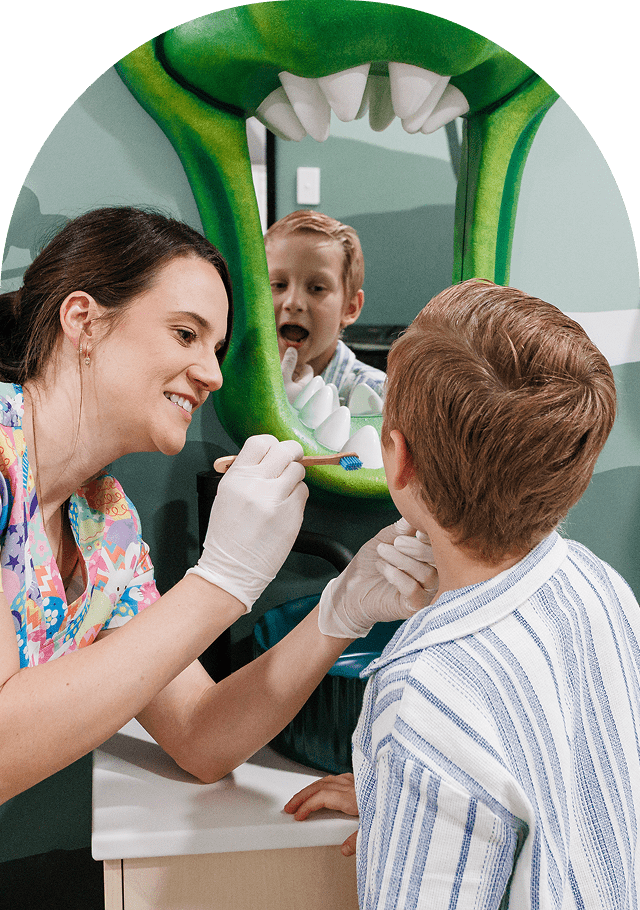
What Prevention-Focused Dentistry Is All About

Holistic preventative dental care goes beyond the immediate treatment of symptoms by recognising that factors such as diet, sleep habits, and breathing patterns may affect oral health. Without regular monitoring, these issues can develop unnoticed, leading to preventable concerns over time.
At Crown Holistic Dental, we provide prevention-focused dental care in Joondalup that combines clinical experience with tailored education and proactive care plans, helping patients maintain stable oral health.
Why Choose Crown Holistic Dental for Holistic Dentistry
Your mouth is part of a bigger picture—your overall health. Here’s why patients choose our holistic approach that nurtures both a beautiful smile and general well-being.
 Whole-Person Perspective in Dental Care
Whole-Person Perspective in Dental Care Our recommendations consider functional and comfort-related factors that may influence everyday life, while focusing on maintaining a healthy smile. This approach helps patients receive care that supports them in maintaining oral health, which is an important part of general well-being.
 Biocompatible Materials for Patient Care
Biocompatible Materials for Patient Care We offer a range of commonly used dental materials, including BPA-free composites. These materials are selected with patient comfort and compatibility in mind, and may help reduce the likelihood of irritation or sensitivity. Options are explained and discussed so patients can make informed choices tailored to their individual needs and preferences.
 Collaborative Care When Appropriate
Collaborative Care When Appropriate Where beneficial, we coordinate with other health professionals, such as myofunctional therapists or paediatricians, to support a more comprehensive approach. This collaboration is designed to address relevant contributing factors to oral health, provide care that considers their individual needs and provide integrated, professional dental care.
 Prevention as a Priority
Prevention as a Priority We focus on prevention as the foundation of good dental care. Through early detection, personalised treatment plans and patient education, we aim to support the maintenance of oral health. This proactive approach may help reduce the likelihood of needing more complex treatments over time.

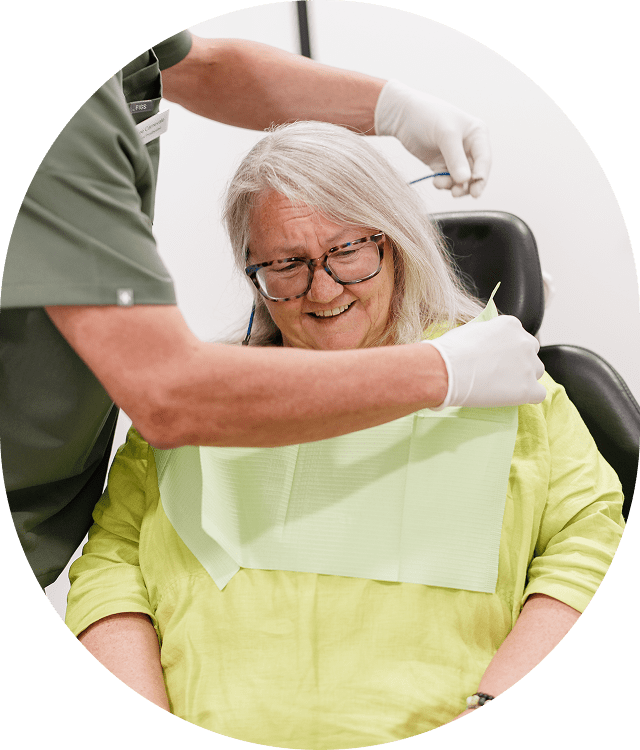
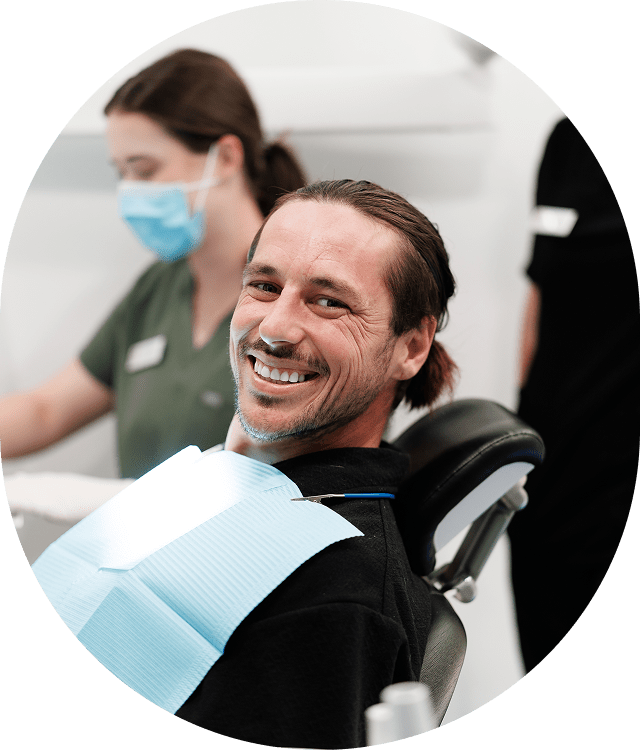

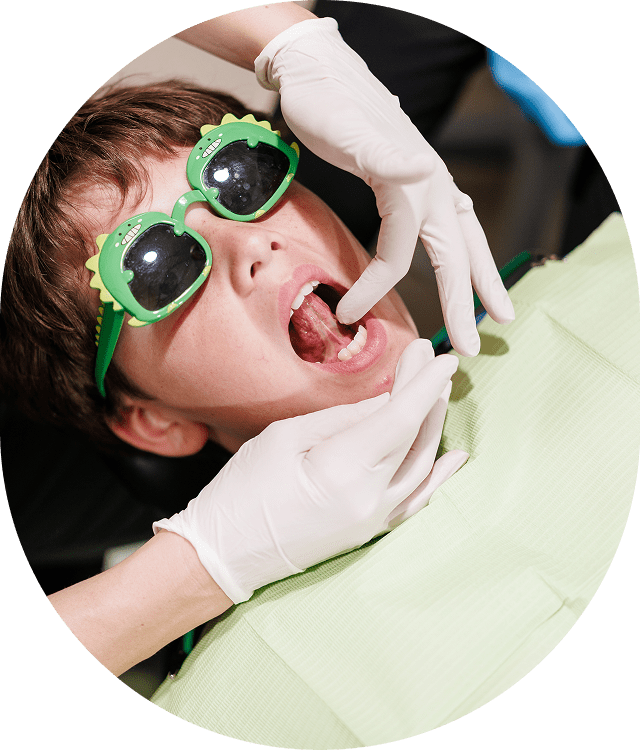
Who Should Consider Early Dental Monitoring
- People with a family history of gum disease, tooth decay, or bite issues should consider early dental monitoring.
- Children showing signs such as crowding, narrow arches, or thumb-sucking may require early dental assessment.
- Adults with frequent jaw discomfort, clenching, or grinding should seek evaluation.
- Lifestyle factors such as mouth breathing patterns or inconsistent hygiene routines can influence oral health over time.
The Benefits
of Preventative
Dental Care
- Detects oral health issues early, allowing for timely dental care for oral health issues, which may reduce the likelihood of invasive treatments and preserve tooth structure.
- Promotes healthy gums and enamel through regular assessments and professional plaque removal.
- Supports oral function by identifying bite concerns or jaw tension at an earlier stage.
- Considers lifestyle factors such as breathing patterns and hygiene routines that may influence oral health.

Get in Touch With Us to Learn More About Proactive Dental Care
Crown Holistic Dental offers prevention-focused dental care in Joondalup, with early detection, routine monitoring, and personalised care to support ongoing oral health. Book a consultation today to discuss a preventative dental care plan tailored to your needs.
What Happens at a Preventative Visit
During a preventative approach in Joondalup, your visit focuses on detecting early changes before symptoms appear. Each stage of care is designed to promote stability and tailor advice to your risk profile.
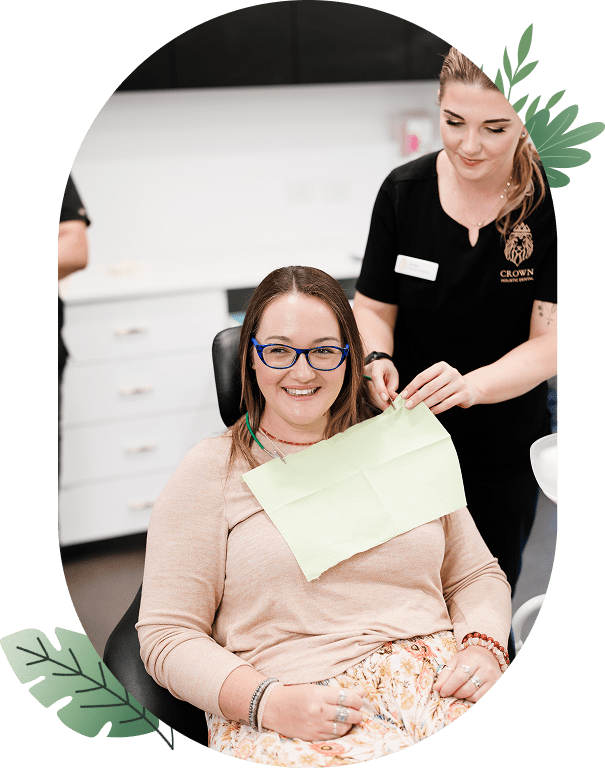

Initial Clinical Examination
Your dentist examines the teeth, gums, bite, and soft tissues for early signs of inflammation or wear. Findings may support early intervention dentistry, where clinically appropriate, such as earlier management of jaw tension or gum recession. It helps inform personalised dental education and planning tailored to your needs.

Diagnostic Imaging (if required)
Your dentist may recommend diagnostic imaging, such as an OPG or bitewing x-rays, if additional insight is required. These images allow for the evaluation of bone levels, sinus proximity, emerging teeth, and other concerns not visible during a visual examination. This additional insight supports more accurate diagnosis and long-term monitoring.

Professional Cleaning (when appropriate)
A scale and clean removes hardened plaque (calculus) that brushing and flossing alone can’t address. When clinically appropriate, the procedure helps manage gum inflammation, supports gum protection, and contributes to oral comfort. It also helps create a clean foundation for any home hygiene routine and supports gum stability over time.

Personalised Advice and Education
Based on clinical findings, your dentist will provide tailored guidance on hygiene techniques, diet, and oral behaviours such as teeth grinding or mouth breathing. These discussions help reduce risk factors and encourage you to maintain oral health between visits with a plan that suits your daily routine.





Frequently Asked Questions
Discover clear, practical answers to common questions about oral health and our preventative approach to dental care in Joondalup.
What does a preventative approach in dentistry involve?
A preventative approach in dentistry involves regular, proactive care aimed at identifying concerns early and supporting oral health before problems develop. Rather than responding to symptoms, this method focuses on monitoring changes over time and offering guidance tailored to each patient’s needs.
At Crown Holistic Dental, our preventative approach in Joondalup includes routine checks for early signs of gum or enamel changes. Based on clinical findings, visits may include imaging, cleaning, and advice on hygiene and oral health behaviours that can influence dental outcomes.
This type of care supports long-term oral health by helping identify issues earlier, which may reduce the need for complex treatments. It also supports patients in making informed decisions through early detection and ongoing education tailored to their specific oral health needs.
Why is preventative dental care important for long-term oral health?
Preventive dental care helps maintain oral health by identifying concerns early and supporting timely dental care for oral health issues to reduce complex concerns. This approach focuses on monitoring the mouth over time and providing customised guidance that promotes stability.
- Early Detection of Oral Changes: Routine dental visits may help identify problems such as enamel erosion, gum inflammation, or changes in bite alignment before they progress. Early management may lower the chance of needing more invasive procedures later.
- Monitoring Contributing Habits: Dentists may use these appointments to assess hygiene habits and oral behaviours, and may discuss lifestyle factors that can influence oral health. These factors often contribute to oral conditions and may require tailored recommendations to support long-term outcomes.
- Broader Impact on General Health: Oral health can affect comfort, function, and appearance. A preventative approach aims to support oral health and reduce the need for reactive treatment over time.
At Crown Holistic Dental, we prioritise prevention-focused dental care in Joondalup to support oral health through early detection and tailored advice. Our approach includes early intervention dentistry, tailored education, and long-term monitoring. These strategies are designed to support stability and may lower the likelihood of complex dental treatments over time.
How often should I see a dentist for preventative care?
People are advised to attend routine dental check-ups approximately every six months as part of preventative care, although this may vary depending on individual needs. These appointments may help detect early oral changes and support long-term stability. However, the ideal frequency may vary based on gum health, past dental work, or medical conditions. Your dentist will recommend a customised recall schedule based on your needs.
Regular oral health monitoring in Joondalup allows dentists to detect early signs of change and provide tailored guidance. A custom recall schedule may support long-term oral stability and allow for earlier intervention when necessary.
What happens during a preventative dental visit?
A preventative dental visit is intended to identify oral health concerns at an earlier stage and may support patients in maintaining ongoing stability. These appointments provide a comprehensive overview of your current oral condition. Dentists also provide practical advice that may help reduce oral health risks over time. Each stage of the visit plays a role in supporting a tailored, education-based approach to care.
- Initial Clinical Examination:
Dentists begin by assessing the teeth, gums, bite, and soft tissues. Common findings may include plaque buildup, inflammation, or enamel wear. Subtle bite shifts or early gum recession can also be identified during assessment. - Diagnostic Imaging (if required):
An OPG or other diagnostic imaging may be recommended to assess areas not visible during the examination. These images help evaluate bone levels, sinus positioning, or emerging issues below the surface. - Professional Cleaning (when appropriate):
A scale and clean may be performed to remove hardened plaque that cannot be addressed with brushing alone. This procedure may support gum health and create a cleaner surface to assist with at-home care. - Personalised dental education and planning:
Dentists will provide guidance on oral hygiene techniques, dietary choices, and habits such as clenching or mouth breathing. In some cases, sleep-related symptoms may be discussed if they appear to influence oral conditions.
A preventative dental visit provides an opportunity to monitor gradual changes, receive personalised guidance, and take a preventative approach to ongoing dental health. This type of care is part of an ongoing approach focused on supporting patients in maintaining oral health over time.
Can preventative care reduce the need for future dental procedures?
Preventative care may lower the likelihood of needing extensive dental procedures by helping identify concerns at an earlier stage. Regular monitoring may allow dentists to observe changes in gum health, enamel wear, or tooth alignment earlier, which can inform timely management.
By addressing issues earlier and providing tailored advice on hygiene and oral habits, preventative care may support ongoing oral stability. This approach may lower the likelihood of needing complex restorations, extractions, or emergency treatments over time.
Crown Holistic Dental delivers prevention-focused dental care in Joondalup, which may assist with early identification and routine evaluations. We also offer personalised advice to support patients in managing oral health and to help lower the likelihood of future invasive treatments.
How do diet and lifestyle affect my oral health?
Diet and lifestyle are closely linked to oral health outcomes. Daily choices around food, hydration, breathing, and stress may influence the risk of oral disease and affect dental stability over time.
- Frequency and type of food intake: Frequent snacking or consuming sugary and acidic foods can contribute to enamel erosion and increase bacterial activity in the mouth. These dietary habits create conditions that allow plaque to build up more quickly, thereby increasing the risk of decay.
- Hydration and saliva production: Drinking water regularly supports natural saliva flow, which helps neutralise acids and cleanse teeth and gums. Inadequate hydration or dry mouth may increase susceptibility to irritation and decay.
- Breathing habits during sleep and rest: Chronic mouth breathing, especially during sleep, may lead to dry oral tissues and increased plaque retention. Over time, this may be associated with gum inflammation and reduced protection against bacteria.
- Impact of habits such as smoking or grinding: Smoking may affect gum health and delay tissue healing, while teeth grinding or clenching can cause enamel wear and jaw strain. These behaviours often occur unconsciously, especially during stress or sleep.
- Influence of general well-being: Poor sleep, unmanaged stress, and nutritional deficiencies may affect the body’s ability to maintain healthy tissues, and their effects can sometimes be observed in the mouth.
At Crown Holistic Dental, oral health monitoring in Joondalup is integrated into each patient’s preventative care plan. This approach helps identify contributing lifestyle factors and guides personalised recommendations to support ongoing oral health.
Are holistic preventative dental methods different from conventional ones?
Holistic preventative dental care takes a broader approach than conventional methods. It aims to maintain oral health and detect concerns early while supporting whole-body well-being. While both methods may use similar diagnostic tools, holistic care offers a more comprehensive perspective. It often incorporates additional considerations such as breathing, sleep, nutrition, and lifestyle habits.
The table below outlines key distinctions between the two approaches.
Aspect | Conventional Preventative Care | Holistic Preventative Care |
Treatment Focus | Emphasises gum health, tooth decay prevention, and bite stability | May also consider breathing, digestion, and sleep in relation to oral health |
Materials Used | Commonly uses fluoride, amalgam, or composite materials | May include fluoride-free or alternative materials based on patient preferences |
Assessment Scope | Focuses on teeth, gums, and jaw alignment | May assess lifestyle habits, airway health, and other contributing factors |
Patient Involvement | Follows standard clinical protocols and guidelines | May tailor care to sensitivities or broader health concerns |
Preventative Emphasis | Routine dental check-ups, diagnostic imaging, and hygiene guidance | May also involve discussions on nutrition, sleep, or oral habits |
Both approaches are based on clinical evidence and preventative principles. The method recommended will depend on individual needs, medical history, and preferences discussed during a consultation.
What natural or fluoride-free options are available in preventative care?
Patients who prefer fluoride-free or low-intervention options may be offered preventative alternatives based on their needs and preferences. These options focus on maintaining oral health and may be chosen by patients who prefer to limit exposure to certain ingredients.
- Fluoride-Free Oral Care Products
Toothpaste and mouth rinses without fluoride are available, often containing ingredients like calcium, phosphate, or xylitol. These formulations may help support enamel protection and reduce bacterial activity, while providing alternatives for patients who prefer to avoid certain additives. - Remineralising and Plant-Based Alternatives
Products containing hydroxyapatite, a naturally occurring mineral, may be recommended to support enamel remineralisation. Some patients who prefer a low-chemical approach to daily oral care also use herbal-based rinses and plant-derived ingredients. - Personalised Dietary and Lifestyle Guidance
Dentists may provide advice on incorporating mineral-rich foods, reducing acid exposure, and promoting saliva production through adequate hydration. These strategies may support oral stability over time within a preventative care model.
What’s the role of regular hygiene in preventative care?
Routine dental check-ups are a key component of preventative dental care. They may help identify and manage risk factors before they develop into more complex concerns, supporting ongoing oral health.
- Removal of plaque and calculus: Even with daily brushing and flossing, some plaque can harden into calculus, especially around the gumline. Professional cleaning helps remove these deposits, which may reduce the risk of gum inflammation and decay.
- Monitoring gum and soft tissue health: During hygiene appointments, the gums and soft tissues are examined for signs of irritation, bleeding, or recession. Early identification may assist with timely management and help limit the progression of gum disease.
- Review of oral hygiene techniques and routines: Dentists provide guidance on brushing methods, flossing tools, and suitable oral care products. Adjusting these practices based on clinical findings helps improve outcomes between visits.
- Identification of functional concerns: Signs of clenching, grinding, or abnormal wear patterns may be observed during a hygiene visit. Detecting these early can prompt further assessment and may assist in reducing the risk of tooth or jaw-related issues.
- Contribution to overall preventative care planning: Oral hygiene appointments offer a consistent opportunity to reassess oral risk factors. They form part of a broader strategy focused on supporting long-term oral health through early intervention.
How early should preventative dental care start for children?
Preventative dental care is recommended when a child’s first tooth erupts or by their first birthday, whichever comes first. Early visits help children adjust to the dental setting, allowing dentists to observe how their teeth and bite patterns are developing.
Appointments during infancy and early childhood focus on detecting oral habits, early signs of decay, tongue posture, and breathing patterns. Dentists may guide parents on hygiene techniques, dietary choices, and suitable oral products to help maintain healthy habits at home.
Ongoing monitoring in early childhood supports the development of healthy jaws, dental arches, and breathing patterns. Early intervention dentistry may reduce the risk of complex oral issues, such as misalignment or decay. It does this by addressing concerns early and supporting positive outcomes as children grow.
Can preventative dental care detect more than just tooth decay?
Yes, preventative dental care involves a comprehensive approach that assesses more than just cavities. Regular examinations may help identify a range of oral and functional concerns, even when symptoms are not yet present.
- Gum health and inflammation: Dentists assess for early signs of gingivitis or gum recession, even before discomfort is present. Identifying and addressing inflammation early may lower the likelihood of progression to periodontal disease.
- Wear, erosion, and bite changes: Preventative care includes monitoring tooth surfaces for signs of grinding, acid wear, or shifting bite patterns. These concerns may impact oral development, particularly in children, and may necessitate further evaluation.
- Airway and breathing patterns: Observations during an exam may suggest issues such as mouth breathing or signs of sleep-related breathing disruption. These concerns can impact oral development, particularly in children, and may necessitate further evaluation.
- Soft tissue and structural abnormalities: The tongue, cheeks, lips, and roof of the mouth are routinely examined for changes in texture, colour, or symmetry. These checks help detect potential abnormalities that may require further investigation.
- Impact of habits or systemic health conditions: Dentists may notice signs of clenching, dry mouth, or oral effects associated with broader health issues or certain medications. Early identification may inform a preventative approach that considers oral health and contributing health factors.
How can I support my oral health between visits?
Maintaining oral health between dental visits involves several daily habits and lifestyle choices. These actions may help reduce the risk of common concerns such as plaque buildup, gum inflammation, and enamel wear.
- Brush and clean between teeth daily: Use a soft-bristled toothbrush to brush twice a day. Floss or interdental brushes should be used once daily to clean between teeth.
- Limit sugary and acidic foods and drinks: Reducing the frequency of processed snacks, acidic beverages, or sugar intake may help lower the risk of enamel erosion or decay.
- Stay hydrated with water: Drinking water regularly may help promote saliva flow, which can support a stable oral environment throughout the day.
- Choose products that suit your oral health needs: Toothpaste should match your needs. For example, some patients may benefit from low-abrasion or fluoride-free formulations due to sensitivity.
- Address habits that affect the mouth and jaw: Breathing through the nose, wearing custom mouthguards if advised, and managing teeth clenching may help reduce mechanical wear and strain.


 Holistic Dentistry
 Children’s Dentistry
 Mouthguards
 Dentures
 Dental Implants
 Cosmetic Dentistry
 General Dentistry
 Emergency Dentistry
 Sedation & Sleep Dentistry
 Afterpay
 Fund My Dental