
Materials We Use for Safe, Gentle
Dental Care
At Crown Holistic Dental, the materials we use are selected for their compatibility, durability, and performance, supporting effective dental care tailored to each patient’s treatment needs.
Materials That Reflect Our
Philosophy of Care

Some patients worry about sensitivities to certain dental products, which can make choosing a provider difficult. Concerns about compatibility and durability often leave people seeking options that align with both their treatment needs and personal preferences.
At Crown Holistic Dental, the biocompatible dental materials we use are selected for durability, appearance, and compatibility. Our approach supports effective treatment tailored to each patient, balancing functional requirements with aesthetic outcomes through informed choice.
Why Choose Crown Holistic Dental for Holistic Dentistry
 Whole-Person Perspective in Dental Care
Whole-Person Perspective in Dental Care Our recommendations consider functional and comfort-related factors that may influence everyday life, while focusing on maintaining a healthy smile. This approach helps patients receive care that supports them in maintaining oral health, which is an important part of general well-being.
 Biocompatible Materials for Patient Care
Biocompatible Materials for Patient Care We offer a range of commonly used dental materials, including BPA-free composites. These materials are selected with patient comfort and compatibility in mind, and may help reduce the likelihood of irritation or sensitivity. Options are explained and discussed so patients can make informed choices tailored to their individual needs and preferences.
 Collaborative Care When Appropriate
Collaborative Care When Appropriate Where beneficial, we coordinate with other health professionals, such as myofunctional therapists or paediatricians, to support a more comprehensive approach. This collaboration is designed to address relevant contributing factors to oral health, provide care that considers their individual needs and provide integrated, professional dental care.
 Prevention as a Priority
Prevention as a Priority We focus on prevention as the foundation of good dental care. Through early detection, personalised treatment plans and patient education, we aim to support the maintenance of oral health. This proactive approach may help reduce the likelihood of needing more complex treatments over time.

Who Benefits From Biocompatible Dental Materials
- Patients with known sensitivities or allergies to certain dental materials may consider suitable biocompatible dental materials.
- People who value dental choices that align with their individual preferences may prefer these material options.
- Those seeking restorations that combine durability with a natural appearance may find these materials appropriate.
- Patients interested in discussing different treatment approaches can explore biocompatible dental materials during consultation with their dentist.
Benefits of Choosing Biocompatible Dental Materials
- Biocompatible dental materials may be suitable for patients with sensitivities or specific material preferences.
- Selected to support strength, durability, and long-term function across different types of dental treatments.
- Can contribute to comfort during procedures while aligning with individual health and aesthetic goals.
- Designed to achieve a natural tooth-like appearance in crowns, veneers, and other restorations, enhancing personalised treatment outcomes.
Want to Learn More
About Our Materials?
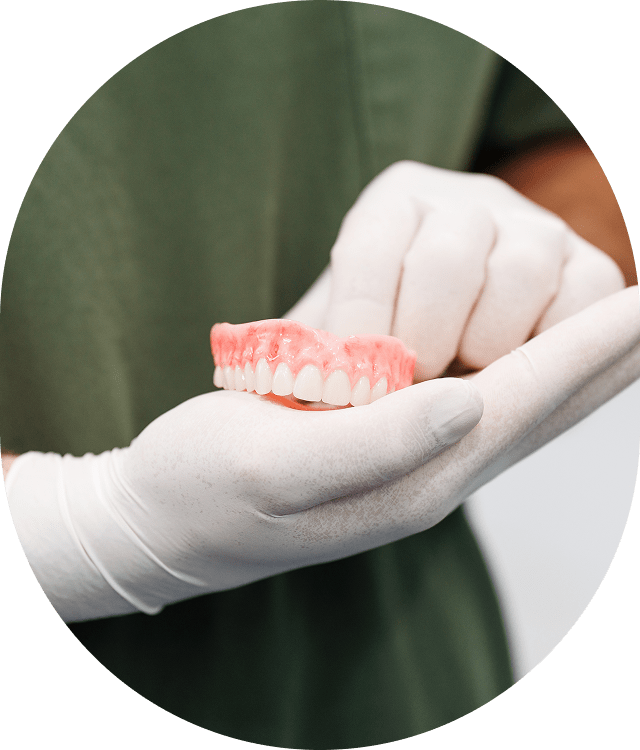
Schedule a consultation to explore our biocompatible dental materials and their potential suitability for your treatment. We will review available options designed to support your oral health and treatment goals.
How We Choose the Right Materials

Initial Patient Consultation
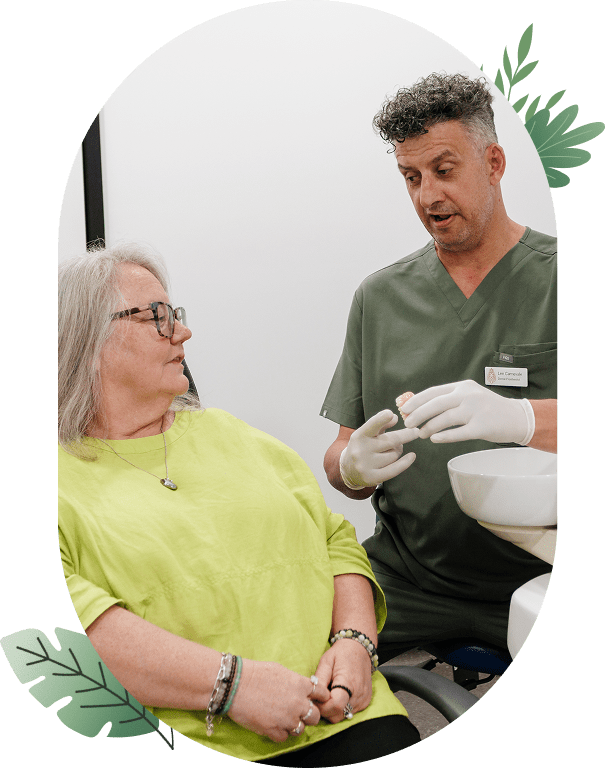
We review your dental and medical history to identify sensitivities, allergies, or preferences. This helps us select dental filling materials and restorations suited to each case. Options are chosen based on compatibility and function, supporting individual needs and ensuring patients can make informed decisions about available treatments.

Assessment of Clinical Requirements
We evaluate the tooth’s location, function, and restoration type to determine the most suitable material. For visible teeth, we may recommend ceramic dental restorations for their natural appearance, while stronger materials may be selected for high-stress areas. Each choice is tailored to durability and the treatment’s clinical requirements.

Consideration of Chemical Composition
We assess material formulations to minimise unnecessary additives and potential irritants. This may include offering alternatives that align with patient preferences for reduced chemical content. Options are selected for performance, strength, and compatibility, helping patients make informed choices about restorative materials that suit their oral health needs.

Long-Term Performance and Compatibility
We select biocompatible dental materials that are designed to support stability, wear resistance, and compatibility with surrounding structures. These materials are chosen for reliable function during daily use, helping to maintain appearance and performance. Our approach emphasises long-term oral health supported by patient-centred planning and informed consultation.





Frequently Asked Questions
What biocompatible materials do you use in fillings and restorations?
At Crown Holistic Dental, we use restorative materials selected for their clinical performance and their compatibility with each patient’s oral environment. Our clinic does not use amalgam in current treatments and offers options aligned with patient preferences for conservative and biocompatible approaches.
Commonly used materials in our clinic include the following:
- BPA-Free Composite Resins:
Tooth-coloured and versatile, these composite resins are used for both front and back teeth. We utilise composite systems that do not contain bisphenol-A (BPA), providing an alternative option for patients seeking non-BPA materials. - Ceramic Dental Restorations (Zirconia or Lithium Disilicate):
These ceramic dental restorations are frequently used in inlays, onlays, and crowns. They provide durability and natural aesthetics, and may be suitable for patients with sensitivities to certain metals. - Glass Ionomer Cements:
These materials bond to tooth structure and release fluoride, making them suitable when moisture control or conservative treatment is indicated.
Material selection is guided by clinical indications and patient preferences. During your consultation, we will discuss available options and how they may interact with your oral health over time.
Are your composite fillings BPA- and fluoride-free?
Yes, the composite resins used in our clinic do not contain added bisphenol-A (BPA) or fluoride. These materials are selected based on their performance, aesthetic quality, and compatibility with the oral environment. Patients who prefer to avoid certain chemical additives often identify these options as suitable for their needs.
Composite fillings are typically used to restore decayed or damaged teeth. It matches the natural tooth colour and is shaped directly in the cavity. The absence of BPA and fluoride promotes conservative care, reflecting our commitment to carefully selecting patient-informed materials.
During your appointment, our team will discuss the available restorative options with you. The condition of the tooth will guide material selection, the location of the filling, and your overall treatment goals. We aim to offer options that are functional, durable, and tailored to your specific dental care needs.
What is the difference between ceramic and titanium implants, and which do you use?
Both ceramic and titanium dental implants are used in clinical practice. The choice depends on your treatment needs and preferences. Ceramic implants, often preferred by patients who avoid metal-based materials, are one of the options available at our clinic.
The table below outlines the key differences between the two implant types:
Feature | Titanium Implants | Ceramic Implants (Zirconia) |
Material Composition | Metal (titanium alloy) | Non-metal (zirconia ceramic) |
Clinical History | Introduced more recently and supported by emerging clinical studies | |
Aesthetic Appearance | Grey in colour, may be visible near gumlines | Tooth-coloured, may be better suited for visible areas |
Patient Considerations | Not ideal for individuals sensitive to metals | Often selected by patients seeking metal-free options |
Treatment Applications | Common in complex or multi-unit treatments | Often used for single-tooth or aesthetic regions |
Material choice is based on your clinical condition and individual preferences. During your consultation, your dentist will explain the benefits and limitations of each option. Our approach considers how each material may impact your overall oral health.
Which materials are used for crowns, onlays, and veneers?
Crowns, onlays, and veneers are custom restorations designed to improve a tooth’s structure, function, or appearance. These restorations are individually crafted to match the surrounding teeth. The choice of material depends on the tooth’s location in the mouth, aesthetic priorities, and functional demands.
Commonly used materials in our clinic include the following:
- Zirconia:
Zirconia is a durable, tooth-coloured ceramic used primarily for crowns and onlays, particularly in molars and premolars. It offers strength suitable for areas exposed to high biting forces. Its smooth surface is resistant to wear and can help preserve opposing tooth structure. - Lithium Disilicate (e.max):
This glass ceramic is commonly used for crowns and veneers placed in visible areas of the smile. It is known for its lifelike translucency and aesthetic versatility. Lithium disilicate offers moderate strength and is often selected when a natural appearance is a primary goal. - Layered Porcelain Restorations:
Porcelain restorations layered over ceramic or zirconia bases may be used where personalised aesthetics are required. These materials support detailed colour and shape adjustments, particularly for front teeth, and are chosen based on treatment goals.
Your dentist will recommend suitable materials based on your oral health, preferences, and the intended function of the restoration. We take care to choose materials that integrate well within your overall treatment plan, aiming to balance appearance, durability, and long-term performance.
What materials are used for temporary (short-term) fillings?
Temporary fillings are used when a tooth needs protection between treatment stages or when a long-term restoration is not yet suitable. These materials help maintain the tooth’s structure, reduce the risk of bacterial contamination, and manage sensitivity during the interim period. While not intended for long-term use, they are chosen to remain stable until the next phase of care is initiated.
Two common types of temporary filling materials are the following:
- Zinc Oxide-Based Materials:
These compounds are frequently used due to their simplicity in application and removal. They provide a temporary seal that can protect the inner tooth surface. In some cases, they may contain soothing agents to help reduce irritation in the pulp or surrounding tissues. - Glass Ionomer-Based Materials:
These may be used when a stronger bond to the tooth is beneficial. Glass ionomer materials can offer short-term fluoride release and may provide a better marginal seal in specific clinical conditions. Their use depends on how long the filling needs to remain in place and its location within the mouth.
Material selection depends on the treatment timeline, the tooth’s function, and whether sensitivity or irritation is present. Your dentist will explain the options available and recommend a temporary material that aligns with your ongoing treatment plan.
How is glass ionomer cement used in your dental restorations?
Glass ionomer cement (GIC) is sometimes selected in cases where moisture control is difficult or when minimal tooth preparation is appropriate. Its chemical bonding properties allow it to be considered for specific clinical situations.
Uses of GIC include the following:
- As a restorative material:
GIC may be used for short- or long-term fillings in areas not exposed to heavy biting forces. This is particularly considered for children or situations where a conservative approach is appropriate. - As a base for deeper restorations:
GIC is sometimes placed beneath composite or ceramic layers to act as a protective base for the inner tooth surface and to assist in managing sensitivity. - Fluoride release:
GIC can release fluoride in measured amounts over time. This property is sometimes considered useful for maintaining a stable surrounding environment in selected clinical conditions.
The decision to use GIC depends on the tooth’s condition, treatment needs, and overall goals. It is one of several materials that may be considered when planning dental restorations.
What materials do you use in occlusal splints and night guards?
Occlusal splints and night guards are custom-made devices. They are designed to protect the teeth from the effects of grinding or clenching that can occur during sleep. Material selection is based on function, comfort, and the appliance’s interaction with the oral environment.
Materials commonly used in these appliances are outlined below:
- Medical-Grade Acrylic:
This rigid plastic is commonly used in night guards for its strength and durability. It retains its shape under pressure and is often selected for moderate to severe grinding cases. - Thermoplastic or Dual-Laminate Materials:
These softer materials are considered for patients with mild bruxism or who prefer a more flexible fit. Dual-laminate guards combine a firm outer layer with a cushioned interior for enhanced comfort. - BPA-Free Composition:
All splints and guards used in our clinic are made from BPA-free materials. This option is suitable for patients who prefer to avoid certain compounds in long-term oral appliances.
The choice of material depends on the severity of the grinding, patient preferences, and the appliance’s intended use. Each device is individually crafted to provide a secure fit and align with your oral health treatment plan.
Are your materials suitable for patients with chemical sensitivities or allergies?
For patients who have particular material preferences or known sensitivities, we provide a variety of options. We carefully select all materials in our dental care with a biocompatibility focus to support individual health needs and treatment goals. This approach also supports long-term oral health.
Some of the materials considered for patients with sensitivities are outlined below:
- Metal-Free Restorations and Implants:
Ceramic options such as zirconia are used in crowns, bridges, and dental implants. Patients often prefer these non-metal materials over traditional metal-based restorations. - BPA- and Fluoride-Free Composites:
Where appropriate, fillings can be completed using composite resins formulated without bisphenol-A (BPA) and fluoride. Patients who prefer alternatives to conventional filling materials may choose these. - Customised Planning and Screening:
Your dentist will take a detailed health history and discuss any past responses to dental materials. If required, we can plan for testing or select options with simpler compositions to support patient comfort.
Material recommendations are based on your oral health condition, treatment objectives, and personal preferences. We aim to provide restorations that are both clinically appropriate and tailored to your specific needs.
What impression and cement materials do you use in holistic treatments?
At Crown Holistic Dental, we select impression and cement materials based on their clinical performance and interaction with oral tissues. Our approach to dental care with a biocompatibility focus means patient preferences, sensitivities, and treatment goals are central to material selection.
We commonly use the following in our clinic:
- Vinyl Polysiloxane (VPS) and Polyether Impression Materials:
These materials are chosen for their precision and stability during laboratory processing. In certain cases, we use formulations that maintain their shapes reliably and are designed to minimise the chances of post-treatment sensitivity. - Glass Ionomer and Resin-Modified Cements:
These cements are often used in crowns, onlays, and orthodontic treatments. They chemically bond to the tooth and, in some cases, gradually release fluoride to support a stable marginal seal. - Non-Fluoride, BPA-Free Cement Options:
For patients who request fluoride- or BPA-free alternatives, we offer specially selected cements without these ingredients. These options are available for individuals seeking conservative materials that reflect their health values.
During your consultation, we will explain the purpose of each material and discuss options tailored to your treatment needs.
Do you avoid amalgam and mercury-containing materials?
As part of our approach to mercury-free dentistry in Joondalup, our clinic does not use amalgam. We provide alternatives based on clinical suitability and patient preference.
Amalgam has historically been used for dental fillings and remains an accepted material under current dental regulations. It contains mercury and other metals, and some patients choose to avoid it as a matter of preference.
We use composite resins, ceramics, and other restorative materials selected for their clinical suitability. When removing existing amalgam fillings, we follow protocols intended to reduce exposure during the procedure. These steps are consistent with recognised clinical practice.
What materials do you use for periodontal and extraction treatments?
At Crown Holistic Dental, we select materials for periodontal and extraction care to assist recovery and manage oral tissues effectively. Our team considers the type of treatment, location, and your health profile when determining the most suitable options for you.
We typically use the following materials during these procedures:
- Anaesthetic and Irrigation Agents:
Local anaesthetics with or without vasoconstrictors may be selected when appropriate, especially for patients with sensitivities. We use sterile saline or pH-balanced irrigation solutions to cleanse the area, avoiding the introduction of synthetic chemicals. - Suturing and Packing Materials:
Depending on your clinical needs, we may use resorbable or non-resorbable sutures. Packing materials—often cellulose- or collagen-based—are chosen for their compatibility with soft tissue and their ability to provide structural support during healing. - Optional Healing Adjuncts:
In certain cases, calcium-based dressings or bioceramic materials may be applied to assist with socket preservation and tissue regeneration. These are only used when clinically suitable and will be discussed as part of your treatment plan.
We will always explain your options before proceeding so you can make informed choices about your dental care.
How do you manage the disposal of dental materials during SMART amalgam removal?
We follow recognised protocols for the collection and disposal of dental materials during amalgam removal. These protocols are intended to support responsible handling and disposal practices.
The key steps include the following:
- Containment and Filtration Systems:
High-volume suction units equipped with separators are used to capture mercury particles during treatment. This equipment is applied to reduce the likelihood of material entering wastewater systems and is aligned with clinical waste management protocols. - Secure Waste Handling:
Fragments containing mercury are collected and placed in sealed, designated containers. These containers are transferred to licensed disposal facilities in line with environmental requirements. - Work Area Precautions:
Protective barriers, face shields, and drapes are used to isolate the treatment area. These steps are designed to support a controlled working environment during amalgam removal.
These measures form part of recognised protocols for handling amalgam materials. Your dentist can explain the procedures used during treatment and how materials are managed in line with regulatory standards.


 Holistic Dentistry
 Children’s Dentistry
 Mouthguards
 Dentures
 Dental Implants
 Cosmetic Dentistry
 General Dentistry
 Emergency Dentistry
 Sedation & Sleep Dentistry
 Afterpay
 Fund My Dental