
Dental Treatment for Headaches and TMJ in Joondalup
Wondering if your jaw could be causing your headaches? Explore how a dental treatment for headaches and TMJ in Joondalup may help identify contributing factors and guide suitable care.

The Dental Connection to Headaches and TMJ


A personalised dental treatment for jaw pain in Joondalup can help explore possible contributing factors and guide appropriate next steps based on your individual needs.
Why Choose Crown Holistic Dental for Holistic Dentistry
Your mouth is part of a bigger picture—your overall health. Here’s why patients choose our holistic approach that nurtures both a beautiful smile and general well-being.
 Whole-Person Perspective in Dental Care
Whole-Person Perspective in Dental Care Our recommendations consider functional and comfort-related factors that may influence everyday life, while focusing on maintaining a healthy smile. This approach helps patients receive care that supports them in maintaining oral health, which is an important part of general well-being.
 Biocompatible Materials for Patient Care
Biocompatible Materials for Patient Care We offer a range of commonly used dental materials, including BPA-free composites. These materials are selected with patient comfort and compatibility in mind, and may help reduce the likelihood of irritation or sensitivity. Options are explained and discussed so patients can make informed choices tailored to their individual needs and preferences.
 Collaborative Care When Appropriate
Collaborative Care When Appropriate Where beneficial, we coordinate with other health professionals, such as myofunctional therapists or paediatricians, to support a more comprehensive approach. This collaboration is designed to address relevant contributing factors to oral health, provide care that considers their individual needs and provide integrated, professional dental care.
 Prevention as a Priority
Prevention as a Priority We focus on prevention as the foundation of good dental care. Through early detection, personalised treatment plans and patient education, we aim to support the maintenance of oral health. This proactive approach may help reduce the likelihood of needing more complex treatments over time.

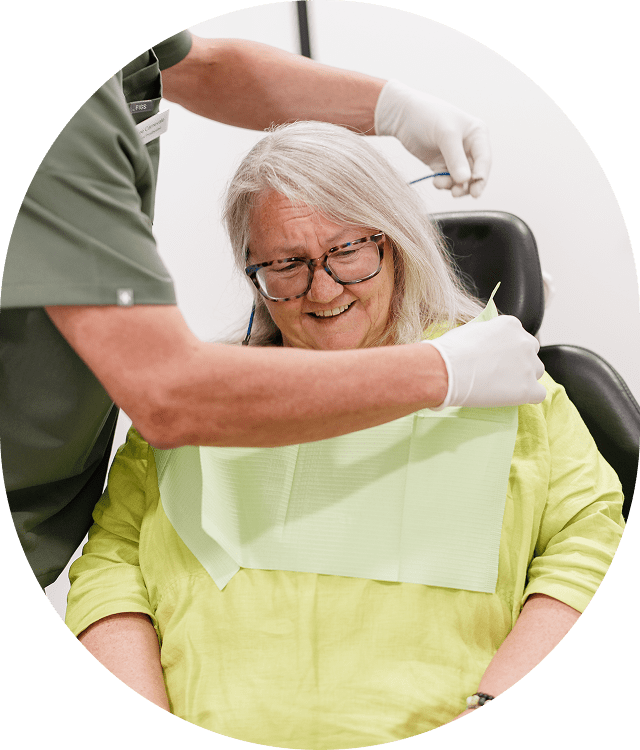
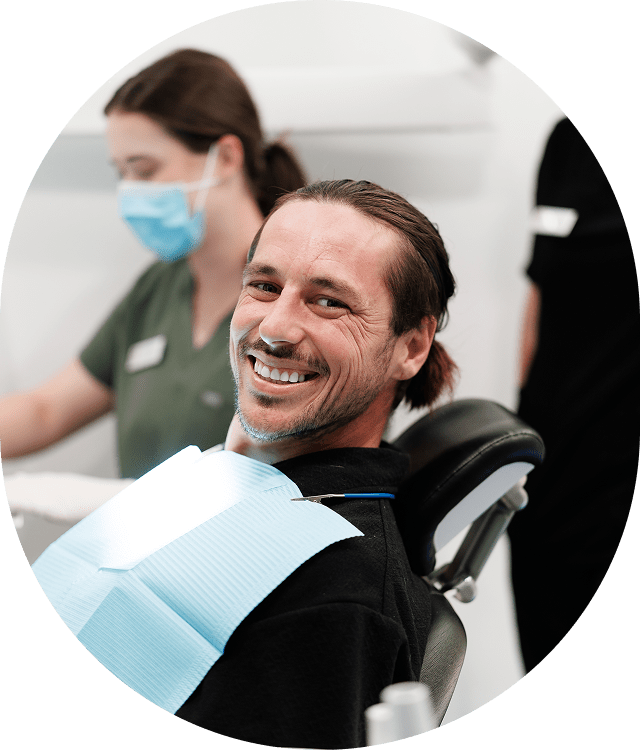


Is TMJ-Related Dental Care Right for You?
- If you're experiencing facial tension, clicking jaws, or morning discomfort, a consultation for jaw pain dental treatment in Joondalup may help explore possible contributing factors. It can be beneficial if you’ve noticed:
- Ongoing tension around the jaw, temples, or neck
- Clicking, locking, or stiffness in the jaw
- Morning headaches or facial soreness
- Changes in how your bite feels
Areas Your Dentist May Assess Related to TMJ Care
- Addressing jaw movement and muscle tension may help some people feel more comfortable in daily activities. Possible areas a holistic TMJ dental care may explore with you include:
- Jaw or facial tension and how it affects daily comfort
- Bite function and its role in eating, speaking, or yawning
- Strategies to monitor or reduce load on the jaw joints
- Habits (such as clenching or grinding) that could add strain — helpful when considering options for bite-related headache support
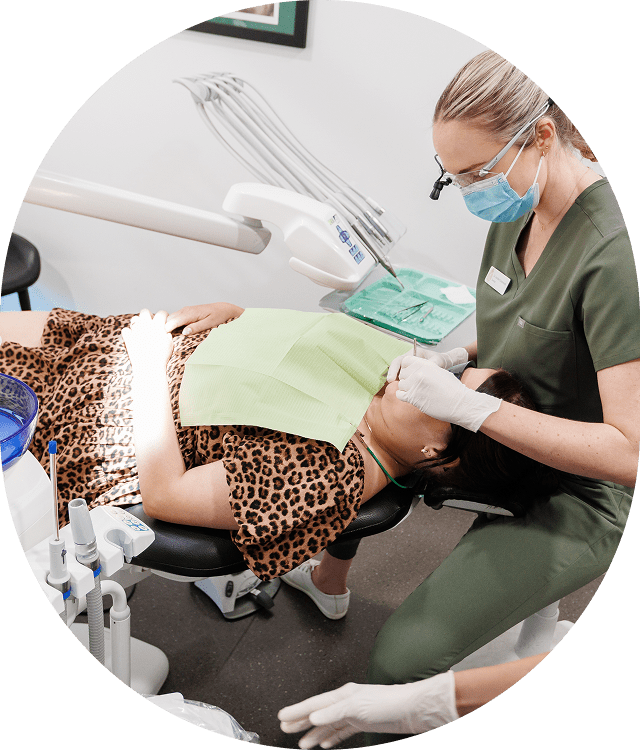
Discuss Jaw and Bite Issues With Our Team
If jaw pain, facial tension, or ongoing headaches are affecting your day, a dental consultation focused on TMJ and bite function can help explore whether these factors may be contributing to your symptoms.
From Consultation to Support: Our
Dental Process
Understanding your symptoms is the first step. Our approach to dental treatment for headaches and TMJ in Joondalup is designed to assess your needs thoroughly, explore contributing factors, and provide informed, supportive care every step of the way.


Initial Consultation and Symptom Review:
We begin with a detailed discussion about your symptoms, lifestyle, and health history. You’ll be asked about patterns like clenching, jaw clicking, or morning headaches to help us better understand your experience and what may be influencing your discomfort.

Comprehensive TMJ and Bite Assessment:
Your dentist will assess patterns that may suggest TMJ dysfunction and muscle strain, helping to inform the next steps in your care. This step is essential in uncovering potential dental causes of headaches, such as excessive muscle loading or bite irregularities.

Diagnostic Imaging and Occlusal Analysis:
In some cases, digital scans or imaging may be used to evaluate the jaw joints and bite alignment further. Analysing how your teeth fit together helps identify whether your bite function may be contributing to muscle tension or joint strain.

Personalised Recommendations and Ongoing Support:
After gathering clinical information, your dentist will discuss findings with you and outline supportive next steps. This may include strategies to help reduce strain, improve balance, or monitor changes over time, depending on your unique presentation.





Frequently Asked Questions
Here’s what you need to know about dental treatment for headaches and TMJ in Joondalup, from causes to care approaches.
Can a dentist help with TMJ pain or jaw tension?
Dental assessment from a dentist for jaw pain in Joondalup may help explore whether jaw movement or bite patterns are contributing to discomfort in some individuals.
Some of the factors dentists assess during your consultation include the following:
- Your bite: We check how your upper and lower teeth fit together when you bite or chew. An uneven bite can put strain on your jaw joints, leading to pain or clicking sounds.
- Jaw movement and alignment: We observe how your jaw moves. If there’s any clicking, locking, or limited movement, it may indicate tension in the jaw joints.
- Signs of clenching or grinding: We look for wear patterns on your teeth or tight muscles. These can signal unconscious habits that stress your jaw joints.
If we suspect your symptoms are related to muscle overuse or bite imbalance, our team may suggest the following procedures:
- Dental splint or night guard: A custom-made device can help relieve pressure on your jaw joints, especially during sleep when clenching often happens.
- Review of posture and habits: We may ask about your posture, sleep position, and work habits to assess your overall wellbeing. These can contribute to tension in your jaw and neck.
- Discussion on stress: Emotional stress can lead to clenching or grinding. Identifying these patterns can help manage jaw discomfort.
- Nutritional or lifestyle advice: Sometimes, diet or hydration impacts muscle tension. We can suggest changes to support your overall jaw health.
Some studies suggest that for certain individuals, addressing muscle overuse or bite imbalances may assist in symptom management, though results vary depending on individual factors. In cases where bite alignment may be contributing to tension, your dentist might discuss options for bite-related headache support as part of your care plan.
What are the signs that TMJ is causing my headaches?
Some TMJ-related headaches may be associated with dental causes of headache, including factors like bite imbalance, jaw tension, or muscle fatigue. However, these relationships can vary between individuals and typically require a clinical assessment to explore further.
Here are some common signs that suggest a connection between your headaches and jaw tension:
- A dull ache around the temples, cheeks, or behind the eyes: Pain in these areas may come from tense jaw muscles or irritated jaw joints, especially after extended chewing or grinding.
- Tightness in the jaw or neck muscles: Muscle tension from clenching or poor posture can spread upwards, leading to tension headaches or neck pain.
- Clicking, popping, or stiffness when opening or closing your mouth: These sounds may mean irregular movement in the jaw joints, which can strain nearby muscles and cause headaches.
- Tenderness near the jaw joints, just in front of the ears: This tenderness often indicates inflammation or overuse of the jaw joints, which can also lead to head or facial pain.
- Suddenly feeling an uneven bite: Changes in bite alignment can affect how your jaw moves. This may lead to muscle fatigue and pressure in the jaw area, which can contribute to headaches.
- Morning headaches or jaw soreness: These are often linked to clenching or grinding of the teeth overnight, which can overwork the jaw muscles, causing morning headaches.
If these patterns sound familiar, it may be worth exploring whether jaw tension is contributing to your discomfort. A TMJ-focused dental assessment can help clarify possible causes and suggest practical support options.
What dental treatments are available for TMJ at Crown Holistic Dental?
Our team provides non-invasive dental support for TMJ symptoms, focusing on relieving tension and promoting balanced jaw function.
Depending on your symptoms and assessment findings, procedures may include the following:
- Custom-fitted splints or night guards: This can help reduce pressure caused by clenching or grinding during sleep, thereby easing strain on the joints and muscles.
- Bite assessments and minor adjustments: Small changes to how your teeth meet may help distribute force more evenly across the jaw.
- Jaw relaxation strategies: We guide you on posture, rest position, and awareness techniques to reduce muscle overuse during daily routines.
- Support for related habits: Clenching, sleep posture, or breathing patterns may also be considered if they’re contributing to jaw strain.
These procedures are typically offered as part of holistic TMJ dental care, which aims to explore contributing factors in a conservative, individualised way.
Can TMJ cause headaches or migraines?
Research suggests a potential association between jaw joint dysfunction and certain types of headaches. While TMJ-related strain may coincide with head pain in some individuals, headache symptoms can have many causes and outcomes vary. A thorough assessment is needed to determine appropriate management.
When the muscles around your jaw are overworked from clenching or grinding, tension can build up. This tension may radiate to nearby areas, such as the temples, forehead, or behind the eyes. Some people notice these headaches feel like pressure or tightness, while others say they resemble their usual migraines but with added facial discomfort.
Common signs that this may be happening include the following:
- Headaches that worsen after chewing or talking: These activities use the jaw muscles. If those muscles are tense or strained, it can trigger or worsen head pain.
- Morning pain or tightness from nighttime clenching: Clenching during sleep overworks the jaw muscles. This often leads to tightness or aching upon waking, sometimes accompanied by a dull headache.
- Soreness around the jaw, face, or temples: Localised muscle tension in these areas can cause pain to radiate upward. This can contribute to headaches that feel like pressure or radiating discomfort.
If headaches or facial discomfort seem to coincide with jaw tension, exploring bite-related headache support may help assess whether bite or muscle factors are contributing.
How does a dental splint or night guard help with TMJ?
A dental splint, often worn during sleep, can help reduce strain on jaw joints by cushioning teeth, avoiding direct contact and discouraging clenching or grinding. However, its effectiveness may depend on factors such as wear consistency, bite alignment, and individual symptoms.
By adjusting how your teeth meet, these devices help relax the jaw muscles and ease pressure on the temporomandibular joints. That adjustment can reduce tension around the face, lessen morning headaches, and support more comfortable movement throughout the day.
Some splints are worn only at night, while others may be recommended during the day if symptoms persist. They’re tailored to your bite and jaw position, providing more comfort and stability without forcing your mouth into an unnatural posture.
Over time, a splint may reduce symptoms and help protect teeth from wear if grinding is part of the issue.
Can TMJ be managed without surgery or medication?
Yes. Often, TMJ symptoms can be managed using non-invasive methods that don’t involve surgery or medication. Our approach focuses on reducing strain on the jaw joints and muscles by identifying how your jaw functions on a daily basis and providing support tailored to your specific needs.
Management of TMJ may include the following:
- Splint therapy: This therapy aims to reduce pressure caused by clenching or grinding.
- Bite assessments: These assessments check for alignment issues that could strain the jaw.
- Jaw posture awareness and exercises: These exercises help ease overactive muscles.
- Lifestyle guidance: This guidance focuses on posture, stress habits, or sleeping positions that can influence jaw tension.
Some people also benefit from collaborative care, which helps relieve muscle tension and improve jaw mobility through exercises. Others might find breathing support useful, as it reduces anxiety and stress-related clenching by teaching effective relaxation techniques and mindfulness practices.
The type of support will depend on each person’s symptoms, treatment goals, and their response to initial management strategies.
What is the difference between dental and medical TMJ treatment?
Medical and dental TMJ care often overlap, but they focus on different aspects of the condition.
A dental approach typically focuses on how the teeth, bite, and jaw movement affect joint function. Dentists assess signs like clenching, grinding, or misalignment that could be straining the jaw. Procedures may include the following:
- Splints or night guards: These devices are worn over the teeth, often at night, to cushion the jaw and limit clenching or grinding that strains the joint.
- Bite assessments or adjustments: Dentists will check your bite. If your bite is uneven, they may suggest minor adjustments to reduce joint stress.
- Advice on posture, jaw use, and related habits: Guidance may include avoiding habits such as nail-biting or chewing gum, as well as improving posture to reduce unnecessary strain on the jaw muscles.
A medical approach usually involves managing pain and inflammation more broadly. This may include the following:
- Pain relief or anti-inflammatory medications: These may help ease discomfort and swelling around the jaw joints, especially during flare-ups.
- Muscle relaxants or physical therapy: Aimed at easing muscle tightness and improving joint mobility through stretches, exercises, or medication.
- Referrals to IM and ENT doctors or surgeons: If symptoms are complex or severe, your doctor may involve other healthcare providers for further investigation or treatment planning.
In many cases, both approaches can complement each other. If your TMJ symptoms appear to be linked to bite function or jaw habits, starting with a dental evaluation may be a more targeted first step.
How long does TMJ pain usually last?
The duration of TMJ discomfort can vary widely, depending on the cause of the strain and how it’s managed. TMJ pain may be acute (short-term) or chronic (long-lasting). Here’s a general breakdown:
Short-Term or Mild Cases
- After dental work or minor strain: Pain often settles within a few days to two weeks without needing treatment.
- Stress-related flare-ups or jaw overuse (e.g., chewing or talking): These usually last 2 days to a few weeks, especially if the trigger is identified and managed.
- Mild to moderate cases with dental care (splints, exercises, habit changes): You may see improvement within two to six weeks when using simple strategies consistently.
Long-Term or Persistent Cases
- Chronic pain from clenching, joint inflammation, or jaw misalignment: Discomfort may last for months or even years if not addressed properly. Persistent symptoms may warrant a visit to a dentist for jaw pain in Joondalup to explore tension or bite misalignment.
- Long-term outlook for most patients: Some studies suggest many people experience improvement with non-surgical strategies, though results vary.
Early intervention often leads to quicker relief. Some people may notice improvement with consistent use of conservative strategies, such as lifestyle changes, splints, or bite adjustments. However, the timeline can vary depending on individual factors such as muscle tension, stress habits, and bite alignment.
If the underlying cause involves long-term clenching, joint inflammation, or bite issues, the discomfort may linger or return.
Can TMJ be managed naturally or holistically through dental care?
Yes, TMJ symptoms can often be managed through a holistic dental approach that looks beyond the jaw itself.
Rather than focusing only on short-term pain relief, our team considers how your breathing, sleep posture, diet, stress levels, and even muscle habits may be affecting your jaw function.
We may recommend a combination of non-invasive strategies, including splint therapy, jaw awareness exercises, and guidance on reducing muscle tension during daily activities.
Rather than only addressing pain, we try to determine what’s contributing to the discomfort and provide tools to help you manage it in a way that feels sustainable.
What happens if TMJ issues are not addressed?
When TMJ discomfort isn’t explored or addressed early, symptoms can sometimes become more persistent or harder to manage over time. Here are some of the changes that can occur over time:
- More frequent headaches or facial pain: Occasional discomfort can turn into daily tightness, headaches, or jaw soreness that interferes with eating or speaking.
- Increased clenching or grinding, often during sleep: These habits often intensify under stress, placing more strain on the joints and surrounding muscles.
- Worn or damaged teeth due to uneven pressure: Uneven bite pressure from grinding can wear down enamel or cause small cracks and sensitivity.
- Restricted jaw movement or difficulty opening the mouth fully: You may experience stiffness, clicking, or find it harder to open your mouth fully or comfortably.
- Changes in your bite: Long-term pressure may shift teeth or cause alignment changes that affect how the jaws fit together.
- Discomfort may spread to nearby areas: Tension from the jaw can lead to referred discomfort in the neck, shoulders, or ears.
Early assessment gives you a better chance of managing these changes gently. Exploring holistic TMJ dental care may help uncover strain patterns before they evolve into persistent discomfort.
What should I expect during a TMJ-focused dental consultation?
A TMJ consultation explores potential causes of jaw tension, discomfort, or related symptoms, guiding personalised strategies to support your overall comfort. This evaluation underpins our jaw pain dental treatment in Joondalup, allowing us to tailor care to your unique bite and muscle patterns.
- Symptom discussion: We begin by listening to your concerns, when the discomfort started, how often it occurs, and how it affects your daily life.
- Jaw movement and bite assessment: We’ll gently check how your jaw moves, look for clicking or locking, and assess how your teeth come together when you bite.
- Muscle and joint check: We’ll check for tenderness, tightness, or overuse in the muscles around your jaw, face, and neck.
- Signs of clenching or grinding: We look for indicators such as worn enamel, pressure points, or other patterns that suggest jaw strain during sleep or stress.
- Additional diagnostics (if needed): In some cases, we may recommend scans or impressions to better understand your bite and jaw alignment.
After your consultation, you’ll have a clearer understanding of what might be causing tension in your jaw. Your dentist will then discuss appropriate procedures, such as splints, bite adjustments, or lifestyle strategies to help relieve tension.


 Holistic Dentistry
 Children’s Dentistry
 Mouthguards
 Dentures
 Dental Implants
 Cosmetic Dentistry
 General Dentistry
 Emergency Dentistry
 Sedation & Sleep Dentistry
 Afterpay
 Fund My Dental