
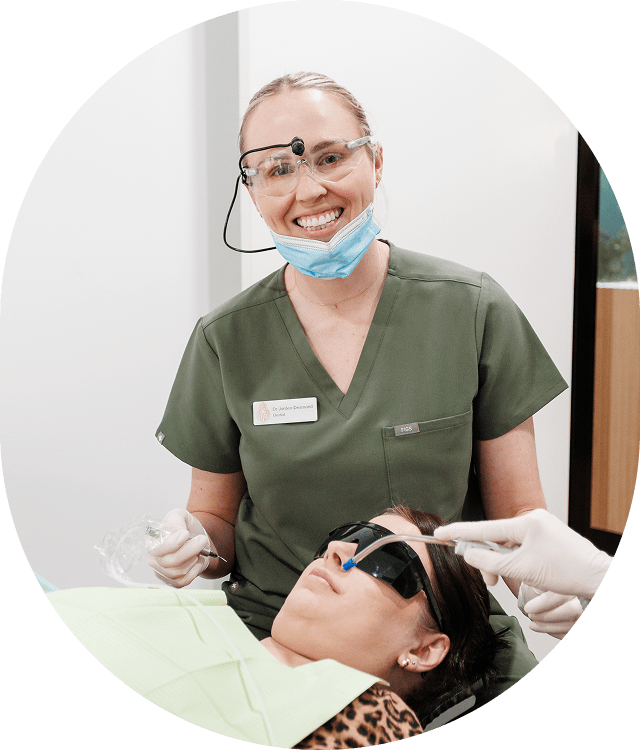
A Thoughtful Approach to Ongoing Dental Care

Delaying dental visits until symptoms appear may result in more complex treatment. Common issues such as plaque buildup or gum inflammation can progress unnoticed without professional review.

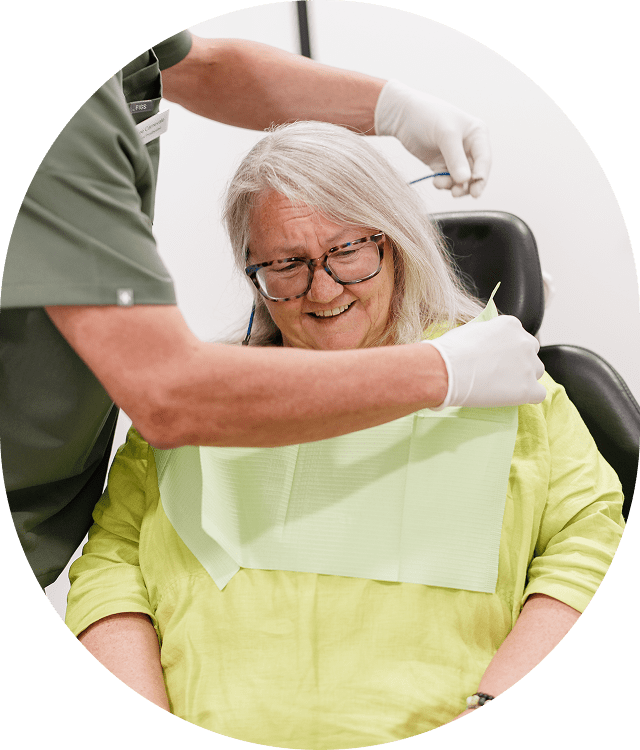
Regular dental checkups in Joondalup support prevention through examinations, professional cleaning, and early detection of dental issues where possible. Our registered dentists provide evidence-based guidance to help patients manage oral health and reduce the risk of complications over time.

Why Choose Crown Holistic Dental for General Dentistry

Strong oral health begins with proper everyday care. Here’s why patients choose us for dental treatments that supports smiles through every stage of life.

Preventive Care for Oral Health

Prevention is central to general dentistry. Through check-ups, cleans, and early identification of concerns, we aim to support patients in maintaining their teeth and gums. This proactive approach is intended to support early management of issues and may help reduce the likelihood of complex treatment needs.

We explain oral health findings and treatment options in clear terms, outlining the reasons behind recommendations. This supports informed decision-making that reflects individual needs and promotes transparency. Our guidance is aligned with recognised dental practices and focuses on providing patients with information they can use to make educated choices.

Seeing the same team supports continuity of care. We keep detailed records, track changes over time, and adapt treatments where needed. This consistency supports care that is tailored over time, based on an understanding of each patient’s dental history.

We provide treatment in a welcoming, professional setting, with clear communication and patient-focused care. Appointments are paced appropriately, and techniques are applied with consideration for patient experience and wellbeing. Our approach is to support oral health responsibly while delivering recognised general dentistry services for a wide range of needs.

Who Should Get Regular Dental Checkups?

Regular dental checkups in Joondalup may be recommended at different life stages. Groups who may particularly benefit include:

The Benefits of Dental Checkups

Regular dental visits in Joondalup may help in the ongoing management of oral health. Benefits can include:

Book A Visit to Protect Your Oral Health

General dentistry focuses on keeping your teeth and gums healthy at every stage of life. Schedule a visit today and take the next step towards maintaining a confident smile and long-term oral wellness.

What Happens at Your Dental Checkup

A routine dental exam usually follows a few simple steps. Your dentist may review your health, check your teeth and gums, provide a professional clean, and offer personalised guidance.

1

Discussion and health review

Your dentist begins by chatting about your oral health history, lifestyle, and any recent changes or concerns. This open conversation guides the direction of your oral health check, focusing on what matters most to you. It also identifies any links between your general health and oral wellness.

2

Comprehensive examination

During a routine dental exam, your dentist will assess the teeth, gums, and surrounding tissues for signs of decay, gum disease, or other concerns. Small mirrors, probes, or magnification tools may be used to examine hard-to-see areas and help identify changes at an earlier stage

3

Professional cleaning

A dental checkup may include scaling to remove plaque and tartar that brushing and flossing cannot reach. Polishing can also be performed to smooth tooth surfaces. These procedures help manage risk factors for gum inflammation and decay and support ongoing oral hygiene at home.

4

Personalised advice and next steps

At the end of the appointment, your dentist may provide recommendations for home care, diet, or follow-up visits. If further treatment is advised, details will be explained and you will have the opportunity to ask questions before deciding on next steps.


Frequently Asked Questions

Do you have questions about dental checkups in Joondalup? Here are answers to common questions and what you can expect during a visit.

How often should you go for a dental checkup?

The frequency of dental visits is not the same for everyone and depends on individual circumstances. Some people may be advised to have a six-month dental checkup, while others may only require a yearly review. Your dentist may recommend a specific schedule based on factors such as your overall oral health, history of decay, gum health, and any ongoing dental conditions.

Regular checkups play a role in preventive care. They may assist with the early detection of dental issues, allow for professional cleaning to manage plaque and tartar, and provide opportunities for personalised advice on home care. Even when no symptoms are present, attending scheduled checkups can support the ongoing monitoring of your oral health and help reduce the likelihood of complications developing unnoticed.

Regular dental visits in Joondalup usually follow a structured process. They may involve a review of your health history, examination of teeth and gums, professional cleaning, and additional checks such as X-rays if required.

  1. Medical and dental history review: Your dentist may ask about any recent changes to your health, including medications or symptoms such as sensitivity or jaw pain.
  2. Examination of teeth and gums: Each tooth is checked for decay, damage, or signs of wear. Your gums are also assessed for signs of inflammation or early-stage gum disease.
  3. Professional clean (scale and polish): Most checkups include a thorough clean to reduce plaque and tartar buildup, followed by polishing.
  4. X-rays (if needed): X-rays may be taken to look beneath the surface, especially if there are signs of decay, infection, or bone loss not visible to the eye.
  5. Oral cancer screening: Many dentists also check the soft tissues in your mouth, tongue, and throat for any abnormalities.
  6. Personalised advice: You’ll receive tailored recommendations for brushing, flossing, diet, or follow-up treatments based on your oral health needs.

An oral health check may form part of preventive care, assisting with the early detection of dental issues and providing guidance to support ongoing oral health management.

In most cases, yes—a professional cleaning may be performed as part of a routine dental exam. This involves removing plaque and tartar that can’t be brushed away at home, especially from hard-to-reach areas.

The cleaning process typically includes the following:

  • Scaling: This is used to reduce hardened buildup, also known as tartar, from around the teeth and gumline.
  • Polishing: This process helps smooth the surfaces of your teeth.
  • Fluoride treatment: If recommended, fluoride is applied to help strengthen the enamel and reduce the risk of tooth decay.

Some people may also receive tailored oral hygiene advice, especially if they’re dealing with issues like bleeding gums or bad breath.

It’s worth noting that in some cases, such as when you have gum disease or more complex cleaning needs, you may be booked for a separate hygiene appointment.

While brushing and flossing remain important, regular professional cleaning can help manage risk factors for gum disease and decay and support preventive oral care over time.

Dentists are trained to detect early signs of gum disease, which may not be noticeable without a professional examination. 

During a checkup, they’ll look for:

  • Red, swollen or tender gums
  • Bleeding during brushing or flossing
  • Receding gumline (gums pulling away from the teeth)
  • Persistent bad breath or a bad taste
  • Plaque and tartar buildup around the gumline

These early signs may indicate gingivitis, the mildest form of gum disease. In its early stages, gingivitis may be managed with professional cleaning and improved oral hygiene practices.

If left unchecked, it can progress to periodontitis, a condition that may lead to bone loss or tooth mobility.

Gum disease doesn’t always cause pain initially, which is why regular dental checkups may assist in identifying gum disease at an earlier stage.

Regular dental visits in Joondalup may help reduce the risk of dental problems progressing to a more advanced stage. Here’s how they may assist in caring for your teeth:

  • Early detection of decay: Dentists can spot cavities in their early stages, often before you feel any symptoms.
  • Professional cleaning: Removing plaque and tartar lowers your risk of tooth decay and gum disease.
  • Monitoring for wear or damage: Issues such as enamel erosion, tooth grinding, or tiny fractures may be identified early.
  • Personalised prevention: Your dentist can provide advice tailored to your specific needs—whether that’s fluoride treatment, sealants, or adjustments to your brushing technique.

Regular visits also give you the chance to ask questions, stay informed, and may assist in reducing the risk of emergency treatments down the line.

Think of routine dental exams as part of preventive care– routine care may assist in identifying issues earlier and supporting long-term management.

  • Review of your medical and dental history: Your dentist will ask about any changes in your health, including any new medications or symptoms such as sensitivity or jaw pain.
  • Examination of your teeth and gums: The dentist will examine the teeth for signs of decay, cracks, or wear. Your gums are assessed for signs of inflammation or early gum disease.
  • Oral cancer screening: Your dentist will do a quick but important check of your cheeks, tongue, and throat to screen for oral cancer.
  • Bite and jaw assessment: Your dentist may check how your teeth come together and whether there’s any tension, clicking, or discomfort in your jaw.
  • X-rays (if needed): Your dentist may recommend X-rays if it has been a while since your last checkup or hidden issues are suspected.
  • Professional cleaning: A scale is often included to reduce plaque and tartar buildup, followed by a polish to smooth the surfaces.
  • Personalised advice and treatment planning: You’ll receive recommendations tailored to your oral health—whether that’s improving home care, addressing a concern, or simply maintaining what’s working.

A checkup may include assessments of the teeth, gums, and oral tissues, which can assist with identifying potential issues at an earlier stage.

The length of a standard dental checkup varies, but it typically takes around 30 to 45 minutes. If it includes a professional cleaning, it may take closer to an hour, especially if it’s your first visit in a while or if X-rays are required.

Some factors that can affect the length of your appointment include:

  • X-rays or further assessments: If your dentist needs a closer look below the surface, X-rays or additional checks can add extra time.

  • Plaque or tartar buildup: More buildup means more time is needed for a thorough cleaning, especially if it’s been some time since the last visit.

  • Discussing concerns or treatment options: Do you have questions? Your dentist may take extra time to talk through concerns, cosmetic goals, or long-term care.

Your dentist will always aim to use this time to thoroughly assess your oral health without making you feel rushed.

In most cases, Medicare does not cover routine dental visits for adults in Australia. However, some exceptions exist under specific government-funded programs.

For example:

  • Children may be eligible for services under the Child Dental Benefits Schedule (CDBS), which provides basic dental treatment for eligible individuals aged 0-17.
  • Adults may qualify for subsidised dental care through public dental services, which are generally income-tested and vary depending on the state or territory.

If you have private health insurance, your policy may include cover for dental checkups or cleaning. To confirm eligibility or entitlements, check with your health fund or local dental service provider.

The cost of a dental checkup in Australia can vary depending on several factors, including:

  • Whether the appointment includes a professional cleaning, X-rays, or both, as these can affect the total cost.
  • The location of the dental clinic may affect pricing, as rates may differ between regions or urban and rural areas.
  • Whether you are visiting a private dental clinic or accessing care through the public dental system.
  • Your level of private health fund cover, if applicable, as this may reduce out-of-pocket expenses.

The cost of dental checkups can vary between providers and individual circumstances. Published fee surveys indicate that an appointment with basic X-rays may range between approximately $150 and $300. Your dentist can provide an itemised estimate after assessing your individual treatment requirements.

Some private health insurance policies may include cover for dental checkups. Patients are encouraged to check with their health fund to confirm entitlements before booking.

You can book a dental care appointment in several ways, depending on what is most convenient for you:

  • Online: Use the 24/7 booking system on the website to find a time that suits you.
  • Phone call: Do you prefer to speak to someone? Call the friendly team on (08) 9300 0808 to book or ask questions.
  • Email: For non-urgent enquiries or after-hours messages, you can reach the team at info@crownholisticdental.com.au.
  • In person: If you’re nearby, feel free to visit our clinic on Joondalup Drive and book your appointment in person.

If it’s your first visit, you may be asked to provide details like your medical history or health fund information. You’ll also receive a reminder via text or email before your appointment.

Have a specific concern—like jaw tension, sensitivity, or bleeding gums? Let the team know when booking so they can allow a little extra time.

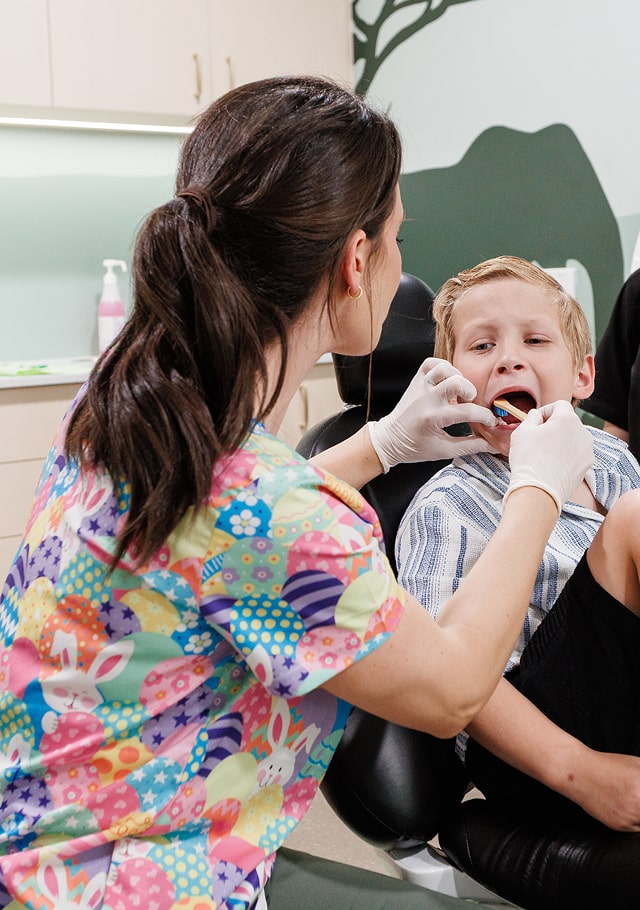
According to the Australian Dental Association, children should visit a dentist by the age of one or within six months of their first tooth appearing. Although this may seem early, it allows the dentist to review your child’s oral development from a young age. It also gives the dentist a chance to check how their teeth, gums, and jaw are developing.

After the initial appointment, some children may be advised to have a six-month dental checkup, depending on their individual oral health needs.

Starting dental visits early can help:

  • Identify any concerns with tooth positioning or development
  • Offer guidance on oral hygiene, nutrition, and habits like thumb-sucking
  • Build long-term healthy routines from a young age
  • Reduce the risk of dental anxiety later on

Starting dental checkups early may assist with monitoring oral development and establishing positive dental routines from a young age.

It is common for people to feel some anxiety about visiting the dentist. There are practical strategies that may help make the appointment easier to manage.

Here are a few ways to prepare ahead of time:

  • Please notify the dental team in advance. Sharing your concerns allows them to adapt the dental care appointment to your comfort level.
  • Book a morning appointment, if possible—this can help reduce anticipatory stress throughout the day.
  • Bring headphones or calming music to help block out dental sounds.
  • Practise slow, deep breathing before and during the appointment to calm your nervous system.
  • Start with a simple checkup first, rather than jumping into treatment, so that you can ease into the experience.

You can also ask your dentist to explain each step as they go, or to agree on a signal (like raising your hand) if you need a break.

Dental care can feel challenging for some people, but sharing your concerns with the dental team may help them adapt the appointment to your needs.

Book A Consultation to Discuss Your Oral Health Needs

Ready to explore holistic dental care? Book a personalised consultation with a holistic dentist in Joondalup and start prioritising your oral health, personal comfort, and long-term well-being. 

Any surgical or invasive procedure carries risks. Before proceeding, you should seek a second opinion from an appropriately qualified health practitioner. Results, risks, complications, and recovery time vary significantly between individuals.