

Discover Snap-On Denture Options
in Joondalup
Considering snap-on dentures? This implant-retained option is designed to improve denture stability during daily activities such as eating and speaking—without adhesive pastes.
A Flexible and Reliable Tooth Replacement Option
Many people with missing teeth or loose dentures experience difficulties with eating and speaking. These challenges can also affect oral function and long-term dental health if left unaddressed.
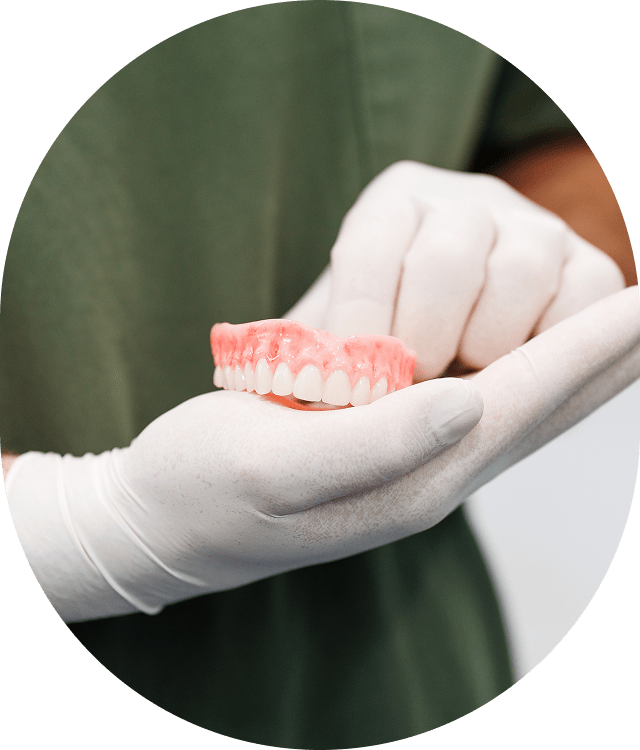
Snap-on dentures are removable dentures with implants designed to provide added stability. This approach may reduce movement compared with traditional dentures and can support daily oral function. A consultation will help determine whether this option is appropriate for your needs.
Why Choose Crown Holistic Dental for Dentures
Custom Dentures With a Focus on Fit
Our dentures are individually made to suit each patient’s bite and oral structure. This supports everyday activities such as eating and speaking. Results vary, and adjustments may be required, but each set is designed with function in mind.
Balancing Appearance and Function
We create dentures with attention to both function and appearance. They are designed to sit appropriately and aim to support oral function while also providing a complete smile in a practical, patient-focused way.
Support During Adjustment
Adapting to dentures can take time. Our team provides follow-up care, advice, and adjustments where needed. Patients are given clear guidance on use and maintenance to support a smoother transition, with ongoing professional input available if concerns arise after fitting.
Considering Everyday Needs
Dentures are intended to help support speech, eating, and oral function in daily life. We discuss individual preferences and lifestyle factors to help create designs that are practical and aligned with long-term oral health management.
Who Is a Good Match for Snap-on Dentures?
-
Snap-on dentures may appeal to those looking for a secure yet removable way to replace missing teeth, especially if traditional options haven’t quite worked out.
They’re often considered by people who meet the following general characteristics:
- You have several missing teeth or wear full dentures
- You’re after more stability than standard dentures provide
- You’re comfortable with minor surgical procedures
- You prefer a removable option that still feels secure
Advantages of Choosing Snap-On Dentures
-
Snap-on dentures offer a balance of comfort, convenience, and stability. The benefits may appeal to individuals comparing snap-in dentures vs traditional dentures, depending on individual needs, oral health, and treatment goals.
Here are a few reasons why some individuals explore this option:
- Designed to feel more secure while eating or speaking
- Removable for easy daily cleaning and care
- Less likely to shift or move during use
- Often used without the need for pastes or adhesives
Considering Snap-On Dentures? Book A Consultation Today
Book a consultation to explore snap-on dentures that attach to implants for added stability. Discuss attachment types, suitability, and maintenance, and learn how this option may improve eating and speaking confidence.
What Happens During Your Denture Appointments
Assessment and Planning:
Your dentist may assess whether overdentures in Joondalup suit your needs, considering bone structure, health, and goals. This involves an examination, imaging if needed, and a relaxed conversation about implant-retained dentures—plus time to ask questions and discuss what’s most important to you.
Implant Placement Procedure:
If implants are appropriate, they’re placed into the jaw using a minimally invasive approach. This procedure is usually done in the chair with a local anaesthetic. Healing takes time, as the implants gradually integrate within the bone, laying the groundwork for your new dentures.
Denture Design and Impressions:
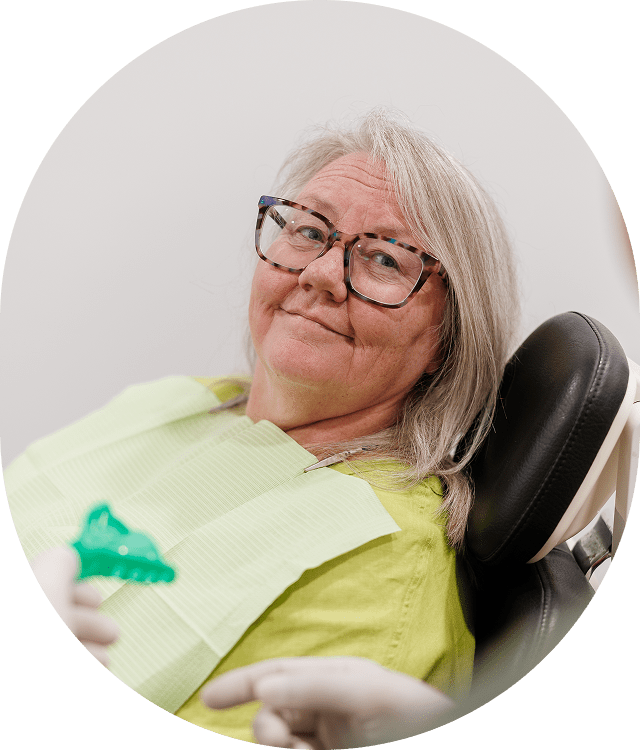
After healing, impressions of your mouth are taken to design your dentures. These are crafted to fit your mouth and clip onto the implants comfortably. You’ll have input on the shape and colour of the teeth, helping create a look that feels natural to you.
Final Attachment and Care:
Once ready, your dentures are securely connected to the implants. Your dentist will show you how to insert, remove, and clean them. You’ll also be offered follow-up care to monitor comfort, address any adjustments, and support long-term success with your new smile.

Frequently Asked Questions
How are snap-on dentures different from traditional dentures?
When exploring secure tooth replacement options, a key distinction is how they’re supported. Dental implants support snap-on dentures, while traditional dentures rest directly on your gums. This difference affects comfort, stability, and function.
Traditional dentures:
Traditional dentures sit on top of the gums and are usually held in place using suction or adhesive.
They can shift or become loose, especially when eating or speaking.
Over time, they may cause sore spots or irritation due to constant pressure on the gum tissue.
- Because the jawbone changes shape without stimulation, traditional dentures often require frequent relining or replacement.
Snap-on dentures (implant-retained dentures):
Snap-on dentures are securely attached to small dental implants placed in the jawbone.
These dentures use special connectors, known as locators or attachments, to snap into place.
They offer increased stability and reduced movement, making it easier to chew, speak, and smile with confidence.
- In some cases, implant-supported dentures may help maintain bone structure compared with traditional dentures. Your dentist will discuss suitability for your situation.
What is the average cost for a full set of snap-on dentures?
The cost can vary depending on the complexity of your case. As a guide, the pricing for a set generally starts at $12,500 for the lower jaw with two implants and ranges from $15,000 or more for the upper jaw, which usually requires four implants.
The cost of overdentures in Joondalup depends on several factors, including the number of implants placed, the denture design, and any additional treatments like extractions or grafting. The design and materials chosen for the denture also play a role. In some cases, preparatory treatments, such as tooth extractions or bone grafting, may be required. The overall complexity of your oral health also influences the final treatment plan.
How many implants are typically used to support snap-on dentures?
The number of implants used to support snap-on dentures usually ranges from two to four per arch, depending on the condition of your jaw and treatment plan.
- Lower jaw:
Often, two implants are enough to stabilise a lower denture and reduce slippage during speech or eating. - Upper jaw:
This normally requires four implants for reliable support, as the upper bone is often softer and requires more anchorage to hold the denture securely in place.
Your dentist will assess several factors, including bone volume, gum health, and bite alignment, to determine the number of implants suitable for your needs.
Can I eat normally with snap-on dentures?
Snap-on dentures are designed to provide added stability, which can help reduce movement during meals. Because the denture uses denture implants for stability, it tends to stay in place while you chew, making everyday meals easier to manage.
That said, there may be a short adjustment period after placement. During this time, your jaw and gums are healing. To support the recovery process, you may be asked to follow a soft food diet, such as yoghurt, for around four to six weeks. As healing progresses, you’ll gradually reintroduce firmer foods such as steamed vegetables and pasta into your meals.
Once healed, many patients find they can eat a wider variety of foods compared with traditional dentures.
Can you sleep with snap-on dentures in place?
Snap-on dentures are generally designed to be removed overnight, allowing your gums to rest and remain healthy. Removing them overnight relieves your gums and gives you a chance to clean both the denture and the surrounding area thoroughly. This helps reduce the risk of irritation, infection, or wear on the attachment parts.
Sleeping with your snap-on dentures occasionally, such as during travel or short stays away from home, may be acceptable. However, it’s generally recommended to remove them at night to support oral hygiene and gum health.
Do snap-on dentures look and feel natural?
Snap-on dentures are designed for daily wear and are often considered a stable choice because they use denture implants for stability. Because they connect securely to the jaw using attachments, they tend to move less than traditional dentures, which may reduce pressure or rubbing during speaking and eating.
If you’re weighing up snap-in dentures vs traditional dentures, this implant-retained style may offer added day-to-day comfort for some people, depending on fit and gum health.
If you notice discomfort or changes in your sitting posture, our team can help assess and adjust it as needed.
How long do snap-on dentures usually last?
Snap-on dentures typically last 5 to 10 years, depending on wear, the materials used, and maintenance.
The lifespan of snap-on dentures can vary between individuals. It may be influenced by factors such as bite pressure and daily cleaning habits. Diet also plays a role—frequently eating hard or sticky foods, such as toffees, can place extra strain on the attachments. In addition, attending regular dental checkups can help maintain the fit and function of your dentures over time.
Can I brush and clean snap-on dentures like regular teeth?
Snap-on dentures require daily cleaning, but the process differs slightly from brushing natural teeth. Good cleaning habits help reduce the risk of gum irritation, infection, and wear on the connectors. Here’s what’s recommended:
- Remove the denture each night and gently brush it with a soft-bristled toothbrush or a denture brush. Avoid using regular toothpaste, as it can be too abrasive; instead, use a mild denture cleaner.
- Remove plaque and food particles around the attachment of your snap-on dentures using a soft brush, interdental brush, or water flosser.
- Rinse your denture and mouth thoroughly before reinserting the denture.
What are the potential disadvantages of snap-on dentures?
While snap-on dentures offer more stability than traditional dentures, there are a few potential downsides to them. It’s essential to consider the following factors:
- Higher upfront cost:
The higher initial cost of overdentures in Joondalup is often due to the placement of dental implants, custom components, and surgical procedures involved. - Surgical procedure required:
Implants must be placed in the jawbone, which involves surgery and a healing period. - Longer treatment time:
The process may take four to nine months, including implant healing and denture fabrication, compared to the faster timeline of traditional dentures. - Ongoing maintenance of attachments:
The connectors that secure the denture can wear over time and may need periodic replacement. - Daily cleaning required:
Both the denture and implant areas must be cleaned thoroughly each day to prevent irritation or infection.
Are snap-on dentures suitable for both upper and lower jaws?
Overdentures in Joondalup may be suitable for both the upper and lower jaws, depending on factors like bone volume and implant placement.
In the lower jaw, two implants are often enough to stabilise the denture, making it a common and practical choice for patients who struggle with loose lower dentures.
For the upper jaw, four implants are usually needed. That’s because the upper jawbone tends to be softer since it is less dense than the lower jaw and requires additional support to hold the denture securely.
Your dentist will discuss these considerations during your consultation to determine if this treatment is appropriate for your needs and lifestyle. Whether for the upper or lower arch, understanding the structure and implant needs can be helpful when comparing snap-in vs traditional dentures.
What is the process for getting snap-on dentures fitted?
Getting snap-on dentures involves several steps that are spread out over a few months, allowing your gums to heal properly and checking for a proper fit. Here’s a general outline of what to expect:
- Consultation and planning:
Your dentist will assess your oral health, take X-rays or scans, and confirm whether implants are suitable for you. - Implant placement:
Small titanium implants are surgically placed into your jawbone. It usually takes two to six months for the implants to heal and fuse with the bone, a process known as osseointegration. - Attachment fittings:
Once healing is complete, abutments or connectors are placed on the implants, and impressions or scans are taken to design your custom denture. - Denture placement:
Your snap-on denture is created and fitted. Removable dentures with implants are designed to clip securely onto the implants while still being easy to take out each day for thorough cleaning and care. - Adjustments and aftercare:
Follow-up appointments may be necessary to fine-tune the fit or make minor adjustments as you become accustomed to wearing them.
Each step is carefully tailored to your case to support comfort, stability, and a natural-looking result.
Fund My Dental