
A Flexible Option or Replacing Missing Teeth

Missing teeth can affect chewing, speech, and neighbouring teeth. Gaps may reduce confidence and comfort in daily activities, contributing to shifting teeth or uneven bite changes.

Partial dentures offer a removable solution to replace gaps, aiming to enhance function, appearance, and everyday comfort. Suitability and alternatives are confirmed during the examination; outcomes vary, so we discuss the benefits, limitations, maintenance, and costs to support informed and realistic decisions.

Why Choose Crown Holistic Dental for Dentures

Dentures should feel natural and functional. We design with fit, comfort, and appearance in mind while supporting overall health. Here are some reasons patients value our holistic denture care.

Custom Dentures With a Focus on Fit

Our dentures are individually made to suit each patient’s bite and oral structure. This supports everyday activities such as eating and speaking. Results vary, and adjustments may be required, but each set is designed with function in mind.

We create dentures with attention to both function and appearance. They are designed to sit appropriately and aim to support oral function while also providing a complete smile in a practical, patient-focused way.

Adapting to dentures can take time. Our team provides follow-up care, advice, and adjustments where needed. Patients are given clear guidance on use and maintenance to support a smoother transition, with ongoing professional input available if concerns arise after fitting.

Dentures are intended to help support speech, eating, and oral function in daily life. We discuss individual preferences and lifestyle factors to help create designs that are practical and aligned with long-term oral health management.

Is a Partial Denture Right for You?

Everyday Benefits of Removable Partial Dentures

Ready for Partial Dentures? Book a Visit

Book a consultation today to explore partial dentures. We will examine your oral health, explain the benefits and risks, and provide a personalised treatment plan with transparent costs.

The Partial Denture Process From Start to Finish

The process for partial dentures includes several stages. Each step supports comfort and function, though outcomes and adjustment periods vary based on individual oral health.
1

Initial Consultation and Assessment:

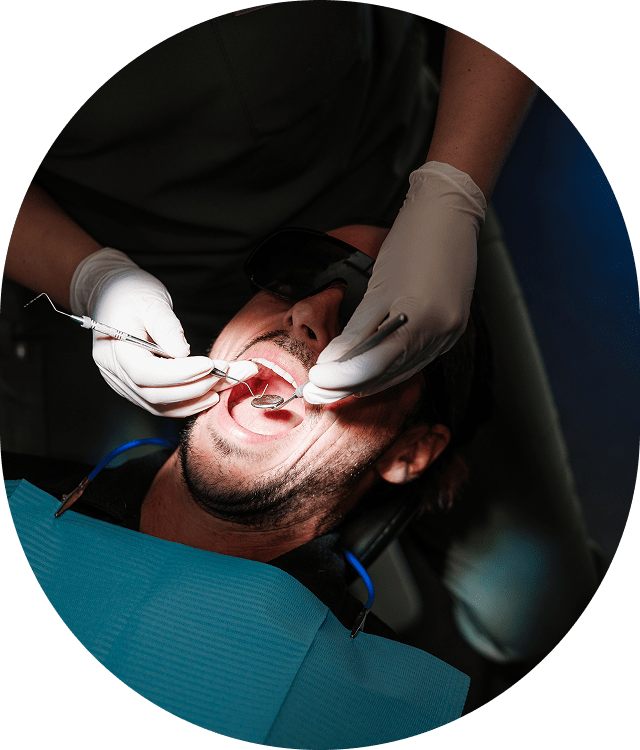
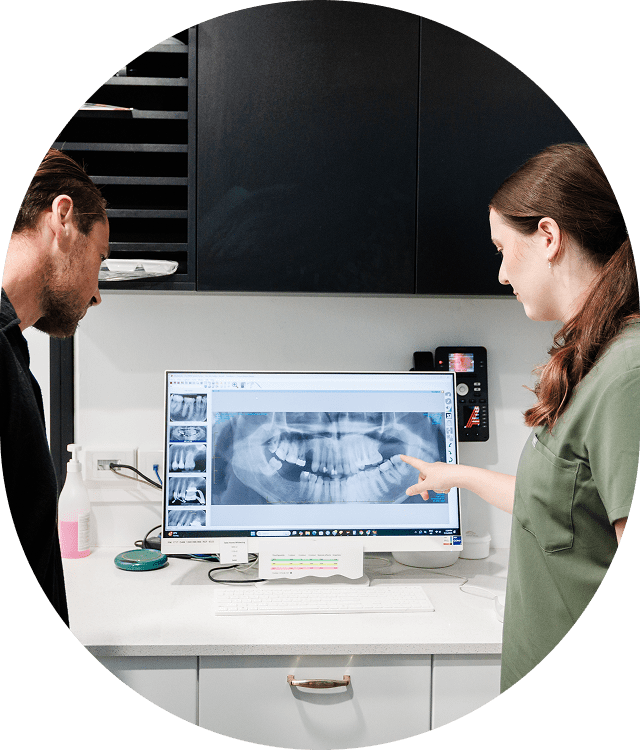
We begin with a full dental examination, assessing teeth, gums, and bite. Suitability for tooth-supported partial dentures or alternative designs is explained, along with the associated risks, benefits, and expected costs, ensuring you have balanced and transparent information to support informed decision-making.

2

Impressions and Planning:

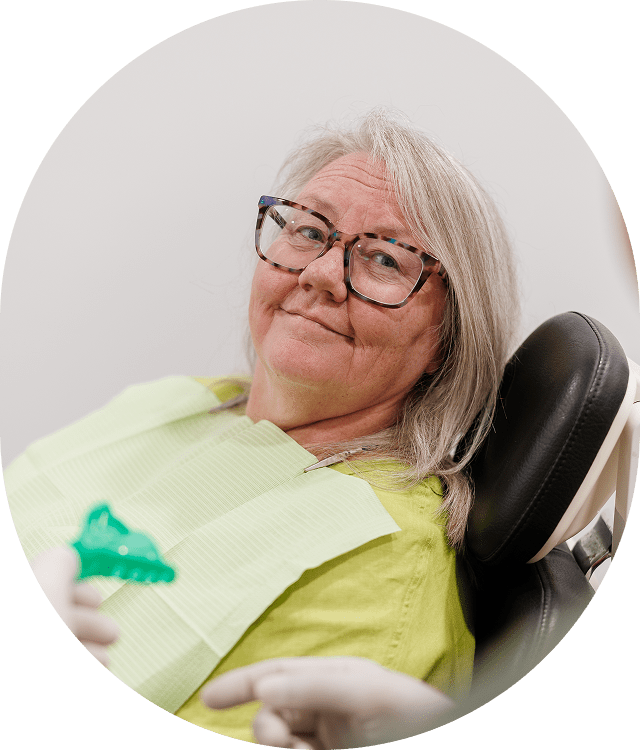
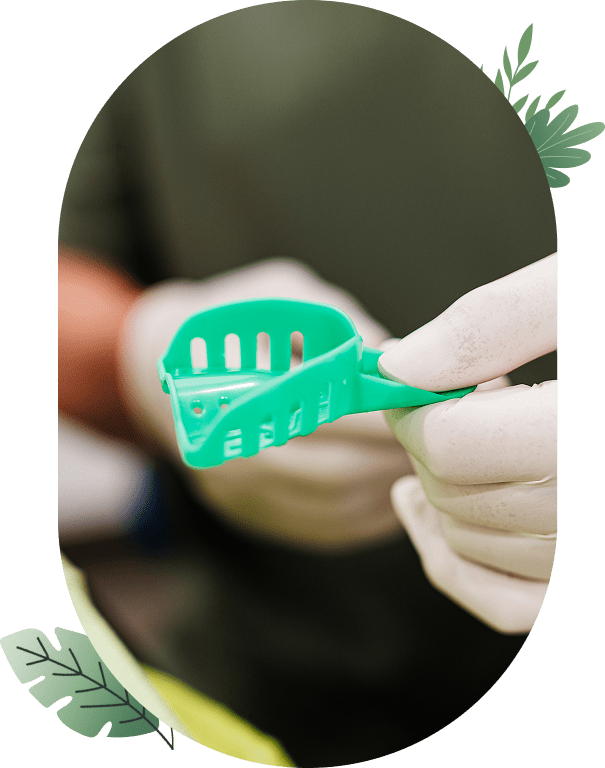
Accurate impressions and measurements are taken to guide design. Materials like acrylic, cobalt chrome, or flexible resin are discussed. Options such as metal-free dentures may be considered if suitable. Planning ensures your denture aligns with oral health, function, and long-term comfort requirements.

3

Try-In and Adjustments:

A trial denture is fitted to assess bite, stability, and appearance. Adjustments are made to improve comfort before the final denture is manufactured. This stage ensures problems are resolved early, supporting adaptation while setting realistic expectations about possible limitations.

4

Final Fit and Follow-Up:

Your completed denture is fitted, with bite and comfort carefully checked. Care instructions cover cleaning, storage, and maintenance. Follow-up visits are arranged to review performance, make adjustments, and help maintain long-term oral health, ensuring comfort and stability remain consistent over time.


Frequently Asked Questions

Discover answers to common questions about partial dentures, including comfort, costs, care, materials, and everyday use. Professional assessment ensures suitability.

How many natural teeth are needed to support a partial denture?

Partial dentures often require at least two healthy natural teeth for support. These teeth help stabilise the denture and distribute chewing forces more evenly.

The number and placement of supporting teeth vary from case to case. Factors include tooth position, health, stability, bite alignment, and whether teeth are present on both sides of the mouth.

A dental examination is required to confirm if existing teeth can adequately support a denture. This ensures appropriate design for comfort and function.

Partial dentures usually start at around $1,000 per arch. The final cost varies depending on the design complexity, materials, and any additional treatments required.

Acrylic dentures are generally the most affordable. Cobalt chrome (metal framework) dentures are more durable and usually more expensive due to their strength and precision. Flexible options often fall in between.

Other costs may include relines, adjustments, or preparatory procedures, such as extractions or gum treatment. A written treatment plan with itemised fees is provided after assessment.

Partial dentures are often more affordable than full dentures because they replace fewer teeth and typically require less material and fewer appointments.

However, costs vary depending on materials, design complexity, and additional procedures. In some cases, advanced partial dentures with precision attachments may cost similarly to full dentures.

A professional assessment determines the most appropriate and cost-effective option, ensuring recommendations are tailored to your oral health and individual needs.

Partial dentures can be made from various materials, each with its own advantages and limitations. The choice depends on your oral health, treatment goals, and budget.

  • Acrylic Resin:
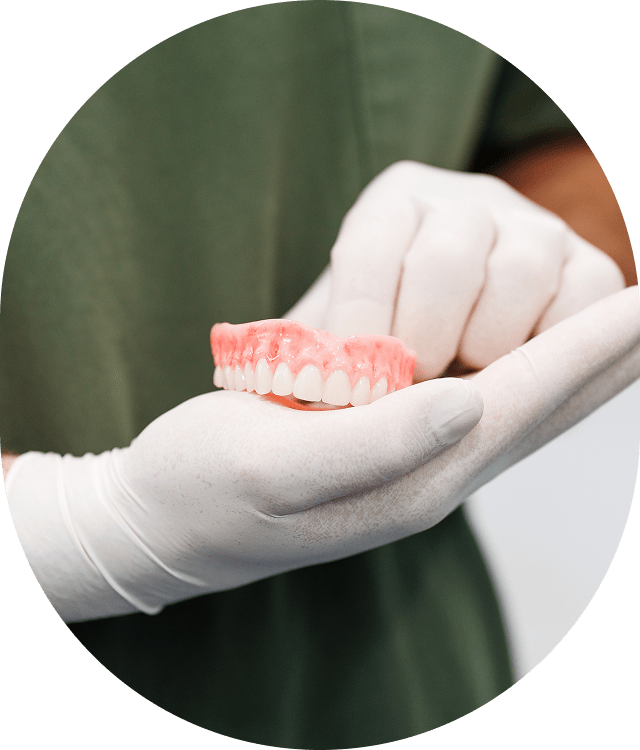
    Acrylic dentures feature a pink base that resembles gum tissue and acrylic or composite teeth. They are cost-effective but can feel bulkier. Often used as interim or budget-friendly options.
  • Cobalt Chrome Metal Framework:
    These dentures feature a thin, yet durable, metal base for added strength and stability. Gum-coloured overlays improve appearance. They are long-lasting but more costly than acrylic.
  • Flexible Thermoplastic Resin:
    Flexible resin dentures are lightweight, bendable, and blend with gum colouring. They offer comfort and aesthetics,1 but may not be suitable for every clinical situation.
  • Advanced Aesthetic Features:
    Some partial dentures offer cosmetic options, such as clear clasps, to minimize metal visibility. These are common in flexible or hybrid designs for improved appearance.

Partial dentures typically last around five years, although this duration can vary depending on the materials used, oral health, and the level of maintenance.

Cobalt-chrome dentures often last longer due to their exceptional durability. Acrylic or flexible dentures may require earlier replacement because of wear, breakage, or changes in gum and bone shape.

Even with good care, changes to the gums and jaw can affect the fit. Regular check-ups allow adjustments, relines, or replacement, ensuring ongoing comfort and function.

Many people adapt to partial dentures and regain comfortable chewing and clearer speech, though adjustment time varies. Early challenges are common during the first weeks.

Starting with soft foods and practising speech aloud often helps adaptation. Over time, function may improve, although results vary between individuals.

If difficulties continue, your dentist can review fit, make adjustments, and provide guidance to support comfort and long-term use.

Yes, partial dentures are designed for daily use. They can be worn during normal activities, such as eating, speaking, and socializing, to support function and stability.

However, removal at night is recommended. This allows the gums to rest and provides an opportunity for thorough cleaning, thereby reducing the risk of irritation or infection.

Your dentist will provide personalised guidance based on your oral health and the design of your dentures.

It is generally not recommended to sleep with partial dentures unless specifically advised by your dentist. Removing them at night allows the gum tissues to rest and recover.

Night removal reduces the risk of irritation, pressure sores, and infections such as denture stomatitis. It also supports better cleaning and overall oral hygiene.

Allowing soft tissues time without constant denture contact helps maintain long-term comfort and health. Always follow personalised advice from your dentist.

Proper care for partial dentures supports comfort, appearance, and durability. Maintaining good hygiene and storing products correctly can help reduce staining, irritation, and premature wear over time.

  1. Clean Daily with a Soft Brush:
    Use a denture or soft toothbrush with mild soap or denture cleaner. Avoid abrasive toothpaste to prevent scratches.
  2. Rinse After Eating:
    Rinse your dentures after meals to remove any remaining food and plaque. This reduces odour, discomfort, and risk of irritation.
  3. Store in Water Overnight:
    Keep dentures in water or soaking solution to prevent warping. Always rinse before placing them back in your mouth.
  4. Handle with Care:
    Clean over a towel or basin to avoid breakage if dropped. Clasps and edges can be fragile.
  5. Attend Regular Dental Appointments:
    Check-ups ensure a good fit, monitor gum health, and allow adjustments to improve comfort and function.

Consistent care supports daily comfort and extends the lifespan of your partial dentures.

Partial dentures are commonly used to replace one or more missing teeth. Some patients experience challenges during the adjustment period; however, many issues improve with follow-up and ongoing care.

  • Initial discomfort or soreness:
    Irritation or pressure may occur at first. This often settles with adaptation, but persistent discomfort requires professional adjustment.
  • Speech and eating changes:
    Some individuals may notice changes in their speech or chewing. These usually improve with practice, though review may be required.
  • Fit and denture movement:
    Dentures should remain stable. If they move during speaking or eating, adjustments may be needed.
  • Food trapping and hygiene:
    Food may collect around clasps or bases, irritating. Daily cleaning and rinsing help manage these concerns.
  • Pressure on nearby teeth:
    Supporting teeth may feel stressed. Regular reviews and hygiene reduce the risks of wear or decay.

Your dentist will monitor the fit over time and recommend adjustments to maintain comfort and function.

Most partial dentures are removable partial dentures, meaning they can be taken out for cleaning and overnight, supporting gum health and making maintenance easier.

These dentures typically fit around natural teeth using clasps or other features to provide stability. Removable designs allow easier monitoring of oral tissues and supporting teeth.

In some cases, fixed alternatives, such as implant-supported bridges, may be considered. Suitability depends on your oral health, treatment goals, and the recommendations of your dentist or other healthcare professionals.

Not wearing partial dentures consistently may affect oral health and function. Gaps left untreated can cause shifting teeth, chewing difficulties, and additional pressure on supporting structures.

  • Shifting of natural teeth:
    Gaps may cause teeth to move, affecting bite, chewing efficiency, and jaw comfort.
  • Changes in bone and gum shape:
    Without regular wear, the tissues beneath the denture may change more rapidly, potentially requiring earlier relining or replacement.
  • Reduced chewing efficiency:
    Missing dentures can reduce bite balance, leading to dietary changes and potential digestive issues.
  • Speech and aesthetic impact:
    Missing teeth may alter speech clarity and facial appearance. Regular use supports pronunciation and contours.
  • Added pressure on remaining teeth:
    Without a denture, natural teeth may absorb more force, increasing wear or risk of movement.

Consistent wear, combined with regular dental check-ups, helps reduce complications and supports long-term oral comfort and stability.

Book A Consultation to Discuss Your Oral Health Needs

Ready to explore holistic dental care? Book a personalised consultation with a holistic dentist in Joondalup and start prioritising your oral health, personal comfort, and long-term well-being. 

Any surgical or invasive procedure carries risks. Before proceeding, you should seek a second opinion from an appropriately qualified health practitioner. Results, risks, complications, and recovery time vary significantly between individuals.