
Implant-Supported Dentures for Comfort and Stability
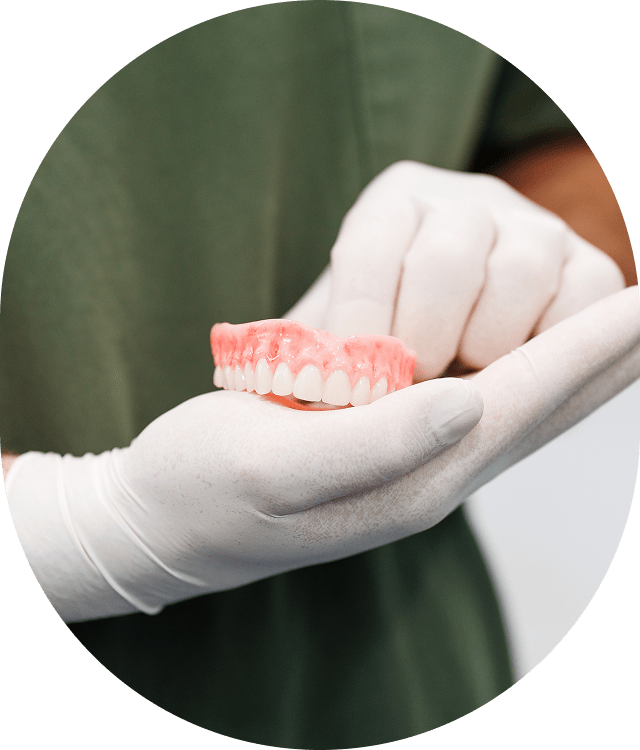
Implant-supported dentures are an option for replacing several missing teeth. They are designed to provide stability and function, but suitability, comfort, and outcomes vary between individuals.
A Secure Alternative to Traditional Dentures
Traditional dentures can sometimes shift or loosen, particularly while eating or speaking, which may cause discomfort or make social situations challenging. Over time, changes in gum shape can affect how dentures fit, leading to sore spots or limited food choices. This can make everyday activities less enjoyable.
For suitable patients, implant-supported dentures may provide a more stable option. Outcomes vary, and your dentist will determine whether this treatment is suitable for your specific needs.
Why Choose Crown Holistic Dental for Dentures
Custom Dentures With a Focus on Fit
Our dentures are individually made to suit each patient’s bite and oral structure. This supports everyday activities such as eating and speaking. Results vary, and adjustments may be required, but each set is designed with function in mind.
Balancing Appearance and Function
We create dentures with attention to both function and appearance. They are designed to sit appropriately and aim to support oral function while also providing a complete smile in a practical, patient-focused way.
Support During Adjustment
Adapting to dentures can take time. Our team provides follow-up care, advice, and adjustments where needed. Patients are given clear guidance on use and maintenance to support a smoother transition, with ongoing professional input available if concerns arise after fitting.
Considering Everyday Needs
Dentures are intended to help support speech, eating, and oral function in daily life. We discuss individual preferences and lifestyle factors to help create designs that are practical and aligned with long-term oral health management.
Are You Suitable for Implant-Supported Dentures?
- Individuals missing most or all of their teeth may consider implant-supported dentures as a viable option.
- Healthy gums and an adequate jawbone are generally required to support implant placement safely.
- Loose or uncomfortable removable dentures can be a reason to explore alternative options with a dentist.
- Suitability varies, and your dentist will assess clinical needs and overall oral health before recommending treatment.
Benefits of Choosing Implant-Supported Dentures
- Implant-supported dentures may help reduce slipping and the need for adhesives in some patients.
- They can improve stability during eating and speaking, but results vary between individuals.
- Implant-retained dentures may reduce gum pressure, which can support comfort for suitable patients.
- For certain people, overdentures and implant-supported options differ; your dentist will explain which approach is most appropriate.
Book a Consultation for Implant-Supported Dentures Today
Book a consultation to discuss implant-supported dentures with our dental team. We will assess your oral health, review options, and explain whether this treatment may be appropriate for your individual needs.
The Implant Denture Process Step-by-Step
Consultation and Assessment
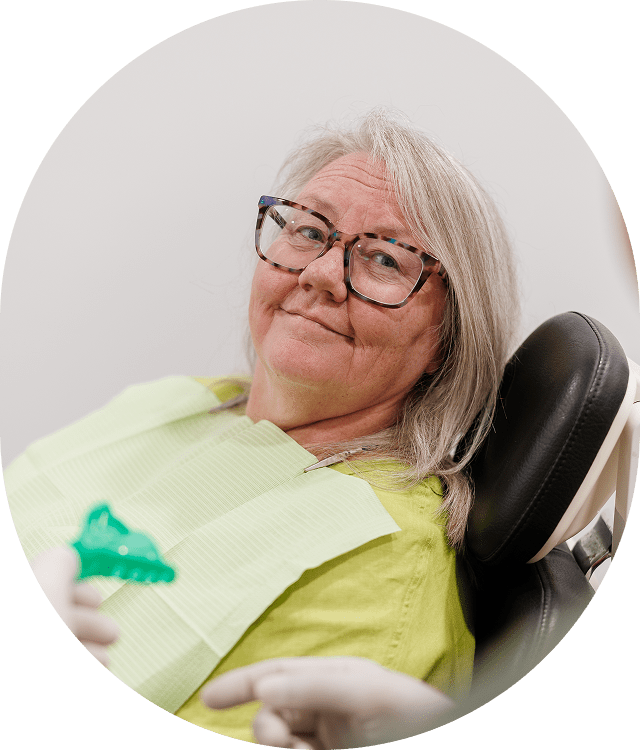
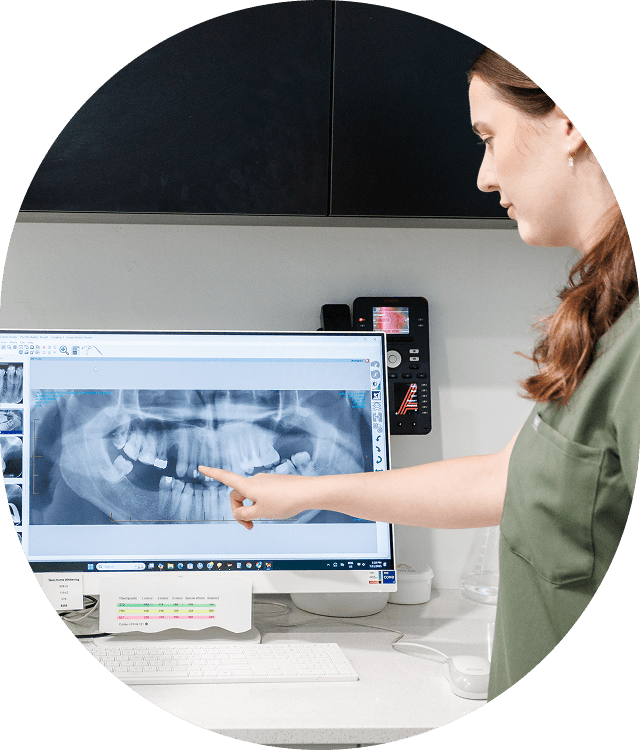
At your first appointment, the dentist reviews your oral health, bone quality and goals, using imaging such as scans or X-rays where appropriate. If clinically suitable, implant-retained dentures are discussed as one option, with risks, alternatives and indicative timelines explained before any treatment is planned.
Implant Placement Surgery
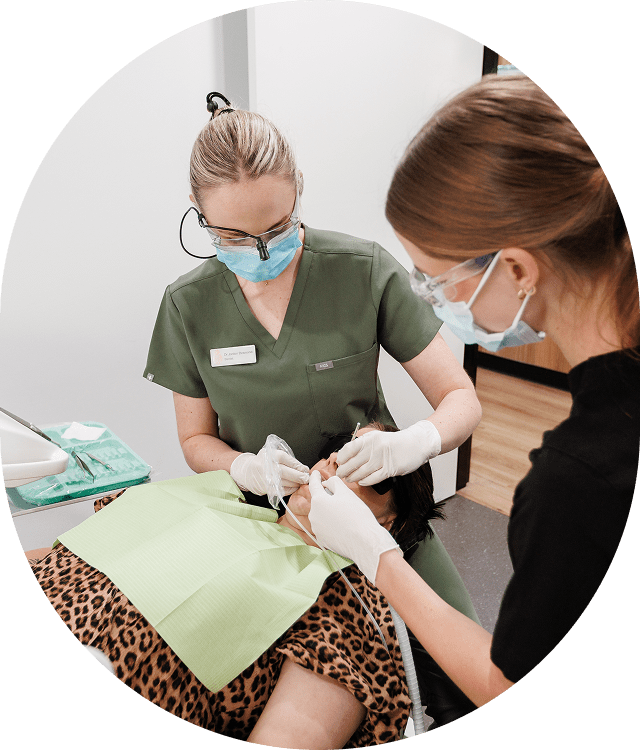
Where appropriate, implants are surgically placed into the jawbone under local anaesthesia, with sedation sometimes available. The procedure is digitally planned for accuracy. These implants serve as anchors for your future dentures. Recovery varies, and your dentist will provide aftercare advice to support healing and monitor progress during follow-up appointments.
Healing and Osseointegration
After placement, the bone gradually bonds with the implants in a process called osseointegration. This phase usually takes several months. Temporary dentures may be provided to maintain appearance and basic function. Regular reviews ensure that healing is progressing appropriately before attaching the final denture prosthesis to the implants.
Final Denture Attachment
Once healing is complete, the final denture is securely connected to the implants. The denture is shaped to suit your bite and facial profile. Fit, comfort, and function are carefully reviewed at this stage. Your dentist will schedule ongoing maintenance visits to support implant and oral health.

Frequently Asked Questions
How are implant-supported dentures different from traditional dentures?
Implant-supported dentures are one option that may provide added stability and function compared to removable dentures. The table below outlines some common differences to help you understand how they work. Suitability and outcomes vary by individual.
Feature | Traditional Dentures | Implant-Supported Dentures |
Anchoring Mechanism | Rest on the gums; held by suction or adhesives | Anchored to implants placed in the jawbone |
Bone Preservation | Do not stimulate the jawbone; may lead to bone loss | May help maintain bone volume by stimulating the jaw through implants; outcomes vary |
Comfort and Fit | May shift or loosen over time; can cause sore spots | Can feel more stable for some patients; gum comfort varies |
Use of Adhesives | Often require pastes or gels for retention | Often do not require adhesives |
Functionality | Limited chewing power and speech clarity | Some patients report improved chewing and speech once adjusted; results differ |
Fit Over Time | May require frequent adjustments | May provide longer-lasting fit in some cases; ongoing maintenance and reviews are required |
Each type has its place depending on your needs and oral health. Your dentist will assess your condition and guide you towards the most suitable option.
How much do implant-supported dentures cost?
Implant-supported dentures typically range in cost from $24,275 to $42,745 per arch. This range reflects the overall treatment, which may include implant placement, denture design and fitting, diagnostic imaging, and follow-up appointments.
Final costs vary depending on your oral health and the care required. Contributing factors include the number of implants, the choice of materials, and whether additional procedures such as extractions or bone grafting are needed.
Payment options may be available. Your dentist will provide a detailed treatment plan and explain inclusions, exclusions, and alternatives before proceeding.
How many implants are usually needed to support a full denture?
The number of implants required to stabilise a full denture typically ranges from two to six per arch. The exact number depends on the treatment method and the patient’s clinical needs.
- Standard Implant-Supported Denture
In many cases, four implants may be used to support a full upper or lower denture. This approach can provide a stable foundation by distributing biting forces across the jaw. Suitability varies, and your dentist will advise based on assessment. - Removable vs Fixed Dentures
For some patients, two implants may be sufficient for a removable “snap-on” denture, particularly in the lower jaw. Fixed dentures, which are not removed daily, often use four to six implants, depending on individual needs and oral health. - Bone Health and Implant Placement
The number of implants required depends on bone density, jaw shape, and overall oral health. Clinical assessment and diagnostic imaging help determine the most appropriate configuration for each patient.
Are implant-supported dentures fixed or removable?
Implant-supported dentures can be either fixed (non-removable at home) or removable (snap-on), depending on the patient’s oral health and treatment needs. Both types are anchored to dental implants placed in the jawbone, but differ in how they are maintained and used.
- Fixed Implant-Supported Dentures:
Fixed dentures are securely attached to implants and not intended for removal at home. They remain in place at all times and can only be removed by a dentist if required for clinical reasons. This option is sometimes chosen by patients seeking a low-maintenance approach. Oral hygiene involves brushing and cleaning around the implants and prosthesis. Regular dental reviews are essential to monitor tissue and implant health. - Removable Implant-Supported Dentures (Overdentures):
Removable dentures attach to implant abutments using special connectors and can be taken out daily for cleaning. This design may suit patients who prefer flexibility in hygiene routines or who have specific anatomical or dexterity considerations. Although removable, they may feel more stable than traditional options for some patients. They typically do not rely on pastes or adhesives for retention.
Can you eat and speak normally with implant-supported dentures?
Some patients find they can eat and speak more comfortably with implant-supported dentures compared to traditional dentures. Implant-retained dentures are secured to implants placed in the jawbone, which may help reduce movement during activities such as eating or speaking. This added stability can, in some cases, support bite function and allow a broader range of foods, though outcomes vary.
Speech may also feel clearer once patients adjust to wearing the appliance. Some people report fewer issues with slurred or muffled words, but this differs between individuals. A short adjustment period is common when first using dentures. Over time, eating and speaking may feel more manageable, with results depending on each person’s oral health and adaptation.
Can you sleep with implant-supported dentures in place?
Whether you can sleep with implant-supported dentures in place depends on the type of denture you have. Removable implant-retained dentures should generally be taken out at night. This allows your gums and oral tissues to rest and also helps prevent irritation or bacterial buildup.
If you have fixed implant-supported dentures, which are not removable at home, they are typically worn continuously, including during sleep. However, it’s important to maintain good oral hygiene by thoroughly cleaning around the implants each day. Your dentist will provide guidance on the most appropriate routine for your specific type of denture.
What is the process for getting implant-supported dentures?
The process for receiving implant-retained dentures involves several planned stages. Each step is tailored to the patient’s oral health, medical history, and functional goals. Outcomes and recovery vary between individuals.
- Consultation and Assessment
Your procedure begins with a comprehensive consultation, including a full oral examination, photographic imaging, and a panoramic X-ray (OPG). Your dentist will assess bone density, medical history, and suitability for implants. A treatment plan is developed based on your clinical needs and preferences. - Treatment Planning
Advanced diagnostic tools, such as CBCT scans, may be used to plan implant positioning. In some cases, preparatory procedures (e.g., extractions or bone grafting) may be required. You may also meet with a dental prosthetist to discuss denture design, fit, and appearance. - Implant Placement
Dental implants are surgically placed into the jawbone under local anaesthesia, with sedation sometimes available. These implants act as anchors for your future dentures. Healing can take several months, as the bone integrates with the implants in a process called osseointegration. - Temporary Denture (If Required)
A temporary denture or provisional prosthesis may be provided during healing. This may help maintain appearance and support basic oral function until the final denture is fitted. - Final Denture Placement
Once healing is complete, your custom-made denture is attached. Depending on the plan, this may be fixed or removable. Your dentist will check fit and function and make adjustments as needed for comfort. - Maintenance and Follow-Up
Ongoing care includes cleaning instructions and scheduled follow-up visits. Regular maintenance appointments help monitor implant and denture stability. These reviews allow your dentist to support oral health and address any changes that may arise.
Are implant-supported dentures more comfortable than regular dentures?
Some patients report that implant-supported dentures feel more comfortable than removable dentures. Because they are stabilised within the jaw using implants, they may reduce movement and lower the risk of sore spots during activities such as eating or speaking. Comfort and stability vary depending on individual oral health and adjustment.
Conventional dentures rest on the gums and may require adhesives. Implant-retained options can help distribute pressure and may reduce gum irritation caused by movement or friction. Experiences differ, and your dentist will advise on which option is most appropriate for your needs.
What are the most common concerns with implant-supported dentures?
Patients often raise common concerns when considering implant-retained dentures. During consultation, these topics are usually discussed:
- Cost of Treatment
Implant-retained dentures generally involve a higher upfront cost than conventional dentures due to surgical procedures, custom fabrication, and follow-up care. For some patients, function over time is part of the assessment of treatment value. Payment options may be available through services such as Zip, Humm, or Supercare. - Surgical Procedure and Healing Time
Placing dental implants involves a surgical procedure, usually performed under local anaesthesia, with sedation available if appropriate. Recovery times vary depending on each individual’s oral and general health. Proper postoperative care is an important factor in supporting healing. - Suitability for Treatment
Not all patients are suitable for implants. Adequate bone density is generally required to anchor the implants securely. Medical conditions or medications may also affect planning. In some cases, preparatory procedures such as bone grafting may be recommended before treatment. - Maintenance and Hygiene
Both fixed and removable implant-retained dentures require ongoing maintenance. Fixed dentures must be cleaned in place, while removable options should be taken out and cleaned daily. Your dentist will explain the appropriate care routine for your denture type. - Time Commitment
The full process may take several months, from consultation to final placement, including healing and any preparatory procedures. Some patients may require longer timelines, depending on oral health and treatment needs.
During your consultation, your dentist will discuss these considerations in detail. This helps determine whether implant-retained dentures align with your oral health, preferences, and goals.
Do implant-supported dentures feel like natural teeth?
Implant-supported dentures do not feel exactly like natural teeth, but some patients report that they feel more natural than removable dentures. Because they are anchored to implants in the jawbone, they may provide a stable base that allows for improved function in eating or speaking. Outcomes vary depending on the individual.
Although they can restore much of the function and appearance of teeth, implant-supported dentures do not provide the same sensory feedback, such as temperature or pressure. Many people adapt over time, but the adjustment period and overall experience differ from person to person.
What are the potential drawbacks of implant-supported dentures?
Implant-retained dentures can have many benefits, but it is important to also consider limitations. Common concerns include:
- Higher Upfront Cost
Implant-retained dentures usually involve a higher initial cost than conventional dentures. This reflects surgical placement, planning, and custom prosthetic design. Some patients weigh these costs against potential longer-term outcomes. - Surgical Procedure Required
Implant placement requires a minor oral surgery, which can involve postoperative effects such as swelling, prolonged healing time, or temporary discomfort. Patients must be in suitable general and oral health to proceed. In some cases, preparatory procedures such as bone grafting may be required. - Longer Treatment Timeline
The process can extend over several months, including healing time and implant integration with the jawbone. Some people find the extended timeline worthwhile, while others may prefer alternative approaches. - Maintenance Requirements
Both fixed and removable implant-retained dentures require ongoing maintenance. Fixed dentures must be cleaned around the implants daily. Removable dentures should be taken out and cleaned thoroughly. Routine check-ups support monitoring of implant and tissue health. - Not Immediately Suitable for All Patients
Some individuals may not have sufficient bone volume or may have medical conditions that affect healing. In these cases, preparatory procedures may be recommended to make treatment clinically appropriate.
These factors will be reviewed during your consultation. Your dentist will explain whether implant-retained dentures are an appropriate treatment option for your needs and oral health.
Do implant-supported dentures require different care than traditional dentures?
Implant-retained dentures usually involve a different approach to daily care compared to removable dentures. The recommended routine varies depending on whether the denture is fixed or removable. Consistent hygiene is recommended to support the condition of the implants and surrounding tissues.
- Cleaning Removable Implant-Retained Dentures
Removable dentures, such as overdentures or snap-on dentures, should be removed daily for cleaning. The denture should be brushed with a soft toothbrush and a non-abrasive cleanser. Patients should also clean around the implant attachments using a soft brush or gauze. Soaking the denture overnight in a cleaning solution may help reduce the risk of bacterial buildup. - Caring for Fixed Implant-Retained Dentures
Fixed dentures remain in place and cannot be removed at home. Daily care usually includes brushing with a soft toothbrush twice a day. Additional tools, such as floss threaders, interdental brushes, or water flossers, may be suggested to clean between the implants and prosthetic surfaces. This approach may help support gum and implant health.
Routine dental visits are recommended for all types of implant-retained dentures. During these appointments, the dentist can review the condition of the implants and surrounding tissues. Professional cleaning may also be performed in areas that are more difficult to maintain at home.
Although the cleaning process may differ from traditional dentures, some patients report that the daily routine becomes manageable over time. Your dentist will provide instructions tailored to your treatment plan and denture design.
Fund My Dental