
Providing Immediate Denture Services for Joondalup Patients
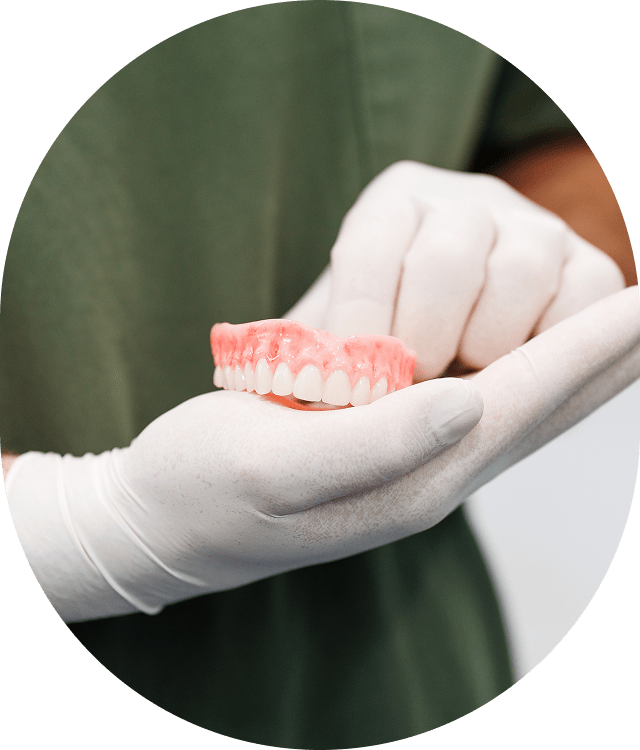
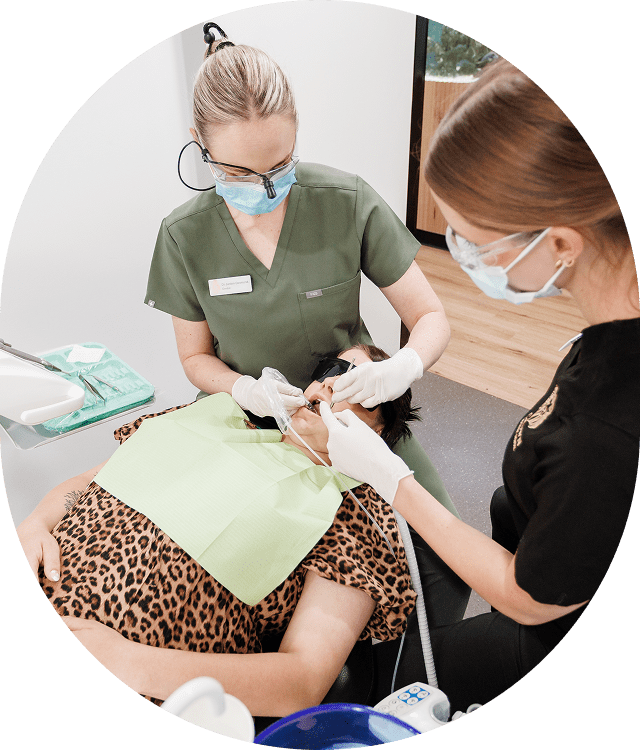
With immediate dentures, you don’t need to leave the clinic without teeth. Fitted on extraction day, they support eating and speaking while your gums heal with ongoing care.
What Immediate Dentures Are and How They Help
Losing teeth can be unsettling, especially when it affects how you eat, speak, and smile. The sudden change can feel overwhelming and impact daily life.
Same-day dentures offer a convenient replacement option, combining tooth removal and denture fitting in one appointment. They help maintain your appearance and support speech and chewing. They also provide comfort, so you can continue your routine with confidence while healing with immediate dentures.
Why Choose Crown Holistic Dental for Dentures
Custom Dentures With a Focus on Fit
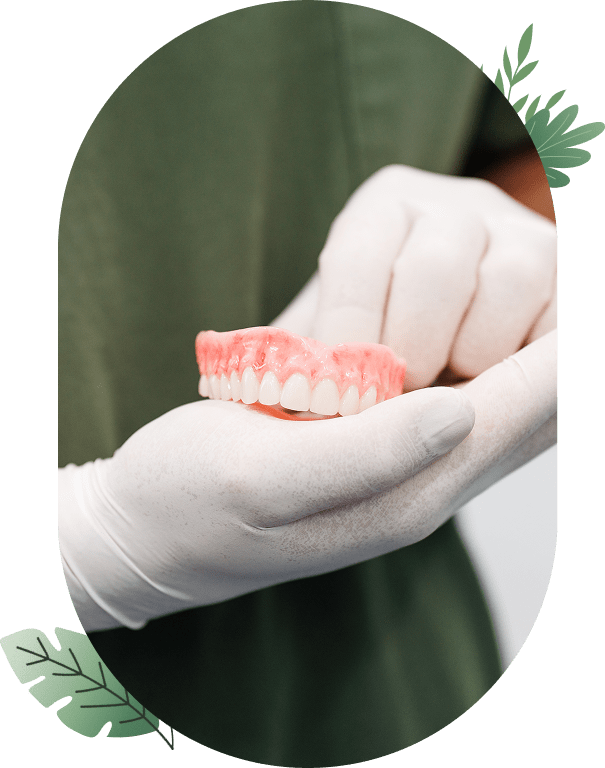
Our dentures are individually made to suit each patient’s bite and oral structure. This supports everyday activities such as eating and speaking. Results vary, and adjustments may be required, but each set is designed with function in mind.
Balancing Appearance and Function
We create dentures with attention to both function and appearance. They are designed to sit appropriately and aim to support oral function while also providing a complete smile in a practical, patient-focused way.
Support During Adjustment
Adapting to dentures can take time. Our team provides follow-up care, advice, and adjustments where needed. Patients are given clear guidance on use and maintenance to support a smoother transition, with ongoing professional input available if concerns arise after fitting.
Considering Everyday Needs
Dentures are intended to help support speech, eating, and oral function in daily life. We discuss individual preferences and lifestyle factors to help create designs that are practical and aligned with long-term oral health management.
Is Immediate Denture Placement Right for You?
- If you’re facing tooth removal, you may be wondering whether immediate dentures are a suitable option for you. They can be helpful for many people, particularly those who:
- Need several or all teeth removed, but want a same-day replacement
- Prefer to maintain their appearance and speech during healing
- Have healthy gums and sufficient jawbone support
- Can commit to follow-up visits for adjustments and ongoing care
Benefits of Getting Dentures on the Day
- Starting your recovery with same-day dentures can make a big difference to your comfort and confidence. This approach comes with benefits, including:
- Maintaining your natural facial shape and smile immediately
- Supporting speech and chewing right after tooth removal and denture fitting
- Reducing the need to go without teeth by having denture support after tooth loss
- Providing temporary stability while longer-term denture solutions are planned
Talk To Us About An Immediate Denture Consultation
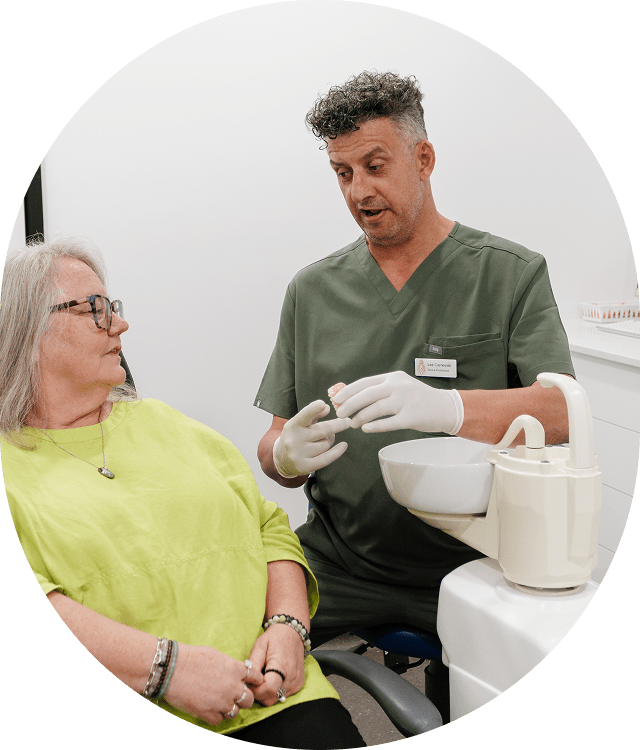
Book a consultation to plan for immediate dentures that can be placed on extraction day. Learn about impressions, bite records, and post-extraction adjustments to maintain function and appearance during your healing period.
Your Immediate Denture Journey Step-by-Step
Initial Consultation & Assessment:
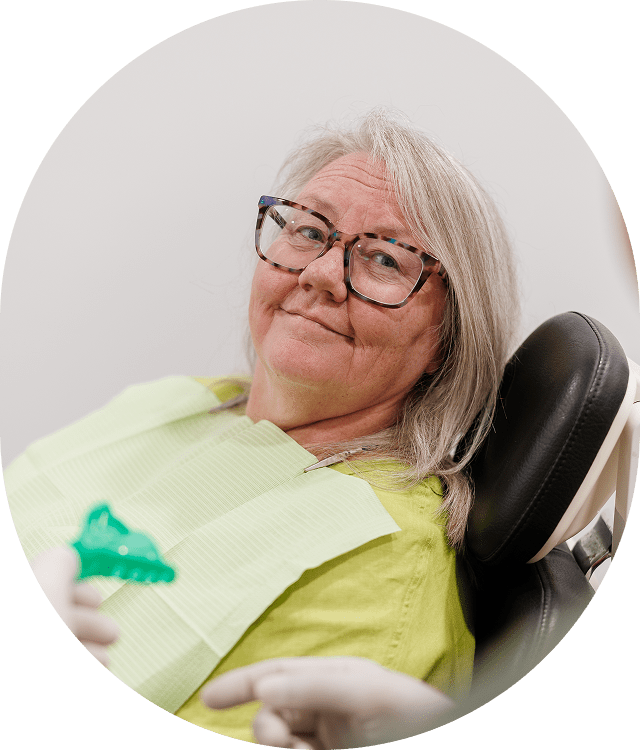
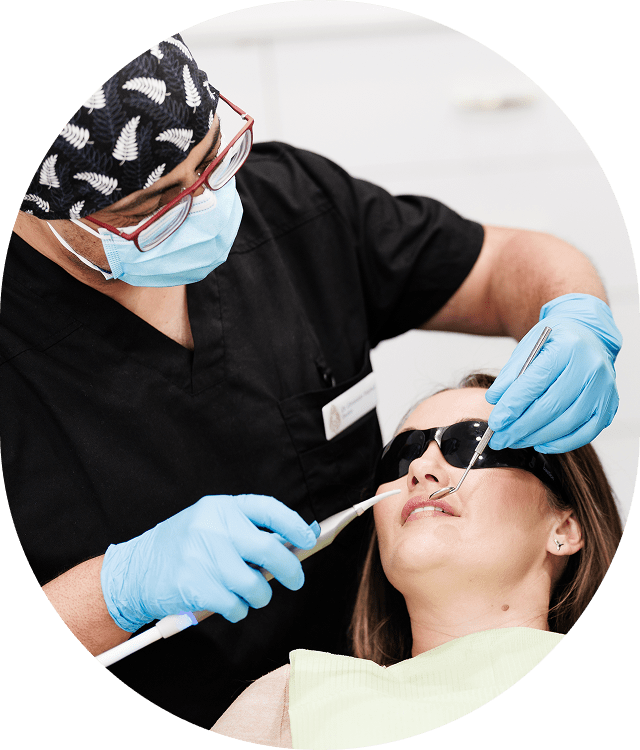
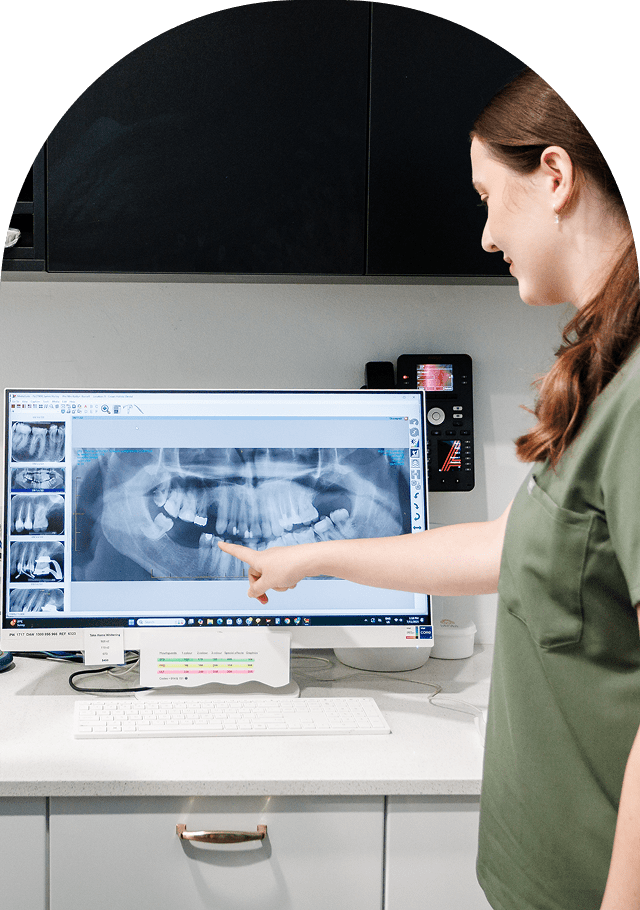
Your dentist begins by examining your teeth, gums, and jaw health, then discussing your goals and expectations. Impressions of your mouth are taken to guide the creation of dentures that suit your natural bite, shape, and smile. This step also covers your treatment timeline and aftercare needs.
Custom Denture Design:
Using impressions and details from your consultation, your dentures are prepared in advance so tooth removal and denture fitting can happen on the same day. The process focuses on comfort, fit, and a natural look, helping them suit your features while supporting speech, chewing, and everyday function.
Tooth Removal & Same-Day Placement:
On the day of your procedure, your custom temporary dentures after extraction are placed following the necessary adjustments. This helps maintain your appearance and oral function while covering healing gums to make the transition more comfortable during the early recovery period.
Adjustments & Follow-Up Care:
As your gums and jaw gradually change shape during healing, follow-up visits allow for precise adjustments to improve fit and comfort. Your dentist will monitor your oral health, answer questions, and make refinements, helping your dentures feel secure and functional as you adapt to them.

Frequently Asked Questions
How long do immediate dentures stay in place?
Immediate dentures are placed right after your tooth removal. They help protect the healing sites and allow you to maintain your appearance during recovery.
To improve comfort during this period, a soft reline may be recommended. Some people continue wearing the same denture throughout the healing process, while others may need a new one once their gums have stabilised.
Regular check-ups enable your dental team to monitor the denture’s fit and make adjustments as needed. These reviews are important for monitoring your healing with immediate dentures, especially during the first 6 to 12 months after extractions.
How much do immediate dentures cost?
The cost of immediate dentures can vary depending on your needs, but here’s a general breakdown:
Single arch: Starts from $1,300 to $1,550, with higher ranges up to $3,800 depending on materials and complexity.
- Full set (upper and lower): May reach $4,000 or more, especially if surgical extractions or additional reviews are required.
Costs usually include:
- Pre-treatment impressions
- Planning and fitting on the day of the extractions
- Follow-up adjustments or temporary relines
A written estimate will be provided after your consultation, so you’ll clearly understand what is included and how the costs are structured. If needed, flexible payment options are available (eligibility criteria, fees, and approval processes apply—please ask us for full details).
A consultation allows us to explore your options and recommend a plan that aligns with your comfort, treatment goals, and budget.
Can you sleep with immediate dentures?
No. Your gums were not designed to have a denture in them 24/7 and need to rest. They need breaks for healing and to maintain their health. Removing dentures at night allows your gums to breathe and helps maintain a healthy oral environment, reducing the risk of infection or oral health problems.
Saliva helps wash away food particles and bacteria; restricting its flow by wearing dentures all night can lead to increased bacteria and potential issues.
If your denture feels uncomfortable, please let your dental team know, and they will guide you based on your progress.
How long after extractions can immediate dentures be fitted?
Same-day dentures are usually fitted immediately after your teeth are extracted. Impressions and planning are completed ahead of time so that your temporary dentures after extraction are ready for placement right away.
This approach means you won’t have to leave the clinic with missing teeth, which many patients appreciate for both functional and aesthetic reasons. It also helps protect the surgical sites during early healing.
Do immediate dentures fall out easily?
Temporary dentures after extraction are designed to stay secure during the early healing stages and do not fall out easily. Right after extractions, your gums are often slightly swollen, which helps hold the denture snugly and maintain denture support after tooth loss.
As the swelling subsides and your gums and bone begin to shrink, the fit may loosen. This is a regular part of the healing process. If the denture starts to move or feel unstable, a temporary reline can improve the fit until you’re ready for an adjustment or a new denture.
If you’re noticing frequent slipping, speak with your dentist so they may recommend adhesive or adjustments to keep things secure.
Can I eat normally with immediate dentures?
After getting same-day dentures, your mouth will need time to adjust, so eating will take some getting used to.
A soft food diet is usually recommended during the initial recovery period. Suitable options include foods that are gentle on the gums and easy to chew, even for those with sensitivity. Examples include mashed potatoes, yoghurt, soups, and smoothies. As your comfort improves, you can gradually reintroduce firmer textures, such as steamed vegetables, soft pasta, or tender fish. Chewing on both sides and cutting food into smaller portions can make the transition smoother and more manageable.
It’s normal for eating to feel different during the first two to four weeks after receiving your dentures. If chewing remains uncomfortable or the denture begins to shift, a review may be necessary to assess the fit and make any necessary adjustments.
Is it painful to get immediate dentures after extractions?
Some discomfort is expected after extractions; however, the immediate dentures themselves are generally not painful. They can act as a protective barrier, helping to reduce irritation and limit bleeding at the surgical sites.
During the first three to seven days, it’s normal to experience mild soreness or pressure as your mouth adjusts. This can usually be managed with rest and a soft diet.
If you experience persistent pain, sharp edges, or sore spots beneath the denture, it’s essential to return to your dentist for an assessment. Your dentist can adjust your appliance to improve comfort and maintain denture support after tooth loss. Your dentist will also guide you on wound and pain management and post-extraction denture care to support a smoother recovery.
Do immediate dentures look like natural teeth?
Yes, immediate dentures are designed to resemble natural teeth in both appearance and alignment. Before your extractions, detailed impressions and shade selections are made to customise the denture to your facial features and preferences.
Some patients may find immediate dentures to be aesthetically pleasing, even though they may feel different from natural teeth. This can help support confidence, especially during the initial transition period when gaps would otherwise be visible.
How do I clean and care for immediate dentures?
Caring for immediate dentures properly helps maintain both comfort and oral hygiene during the healing process. Recommended steps include the following:
- Rinsing after meals:
This step helps remove food particles and reduce plaque buildup. - Cleaning your denture daily:
Use a soft denture brush and non-abrasive cleanser. Avoid regular toothpaste, as it can be too harsh on your teeth. - Soaking the denture overnight:
Place it in water or a recommended denture solution unless your dentist advises otherwise. - Gently cleaning your gums, tongue, and remaining teeth:
Use a soft toothbrush to support tissue health and circulation.
Follow the specific instructions provided by your dentist after your procedure, especially regarding maintenance of your denture.
What should I expect during the first week with immediate dentures?
The first week is an adjustment period for healing with immediate dentures as your mouth begins to adapt. You may experience the following:
- Soreness or pressure:
It’s common to feel mild to moderate discomfort around the extraction sites, particularly during the first three to seven days. This often improves with rest, a diet of soft foods, such as scrambled eggs, and any post-operative advice provided by your dental team. - Increased saliva:
Your mouth may produce more saliva than usual as it adjusts to the presence of the denture. This typically settles within a week as your body adapts. - Muffled speech:
You may notice a slight lisp or slurring, especially when pronouncing certain words. This usually improves within one to two weeks. Try reading aloud or speaking slowly to retrain your tongue. - Difficulty eating:
Chewing may feel awkward at first. Stick to soft, easy-to-chew foods such as pumpkin soup, ripe bananas, couscous, or poached chicken (finely shredded). By the end of the first week, many patients tolerate soft foods more easily, with firmer foods gradually reintroduced over the following weeks.
Can I eat soft foods immediately after getting immediate dentures?
Yes, a soft food diet is strongly recommended immediately after receiving immediate dentures. Your gums will be healing from extractions, so choosing gentle foods is an important part of post-extraction denture care. Great choices for the first few days include the following:
- Mashed potatoes or steamed vegetables:
These foods are soft, easy to chew, and gentle on healing gum tissue, making them suitable during the initial recovery phase. - Scrambled eggs or soft tofu:
Both are high in protein and have a smooth texture, which helps provide nourishment without straining sore areas. - Yoghurt, custard, or smoothies:
These cool, soft foods require no chewing and can be soothing if your gums feel tender or inflamed. - Soups (lukewarm, not hot):
Lukewarm soups offer hydration and nutrition while being easy to consume without irritating sensitive tissues. - Well-cooked pasta or porridge:
These options are filling, gentle on the gums, and simple to manage while your mouth adjusts to the new denture.
Avoid hot, spicy, crunchy, or sticky foods during the early recovery period, as they can cause discomfort or interfere with healing. Examples include spicy curries, crusty bread, chips, nuts, chewy lollies, and caramel. These types of foods may irritate sensitive areas or place unnecessary pressure on healing gums.
As your comfort improves, your dentist will guide you on how and when to reintroduce firmer foods based on your progress. A gradual approach can help you adjust more smoothly to chewing with dentures.
Do immediate dentures require adhesive to stay in place?
In the early phase, immediate dentures often remain in place due to natural gum swelling after extractions, without requiring adhesives. This temporary tightness helps keep the denture in place without the need for adhesive.
However, as healing progresses and your gums shrink, the fit may loosen. At that point, a temporary reline or a small amount of denture adhesive may help improve comfort and stability. Adhesive can also be helpful during meals or social events while you’re adjusting to your new look.
If you’re relying on adhesive daily, it’s worth checking in with your dentist. A relining or refitting may provide a more stable and comfortable fit over time.
Fund My Dental