

What Full Dentures Are and
How They Work

Tooth loss can affect your speech, eating habits, facial appearance, and daily confidence. It may also impact social or emotional well-being. This can make it difficult to enjoy meals, speak clearly, or feel at ease in public or personal settings.

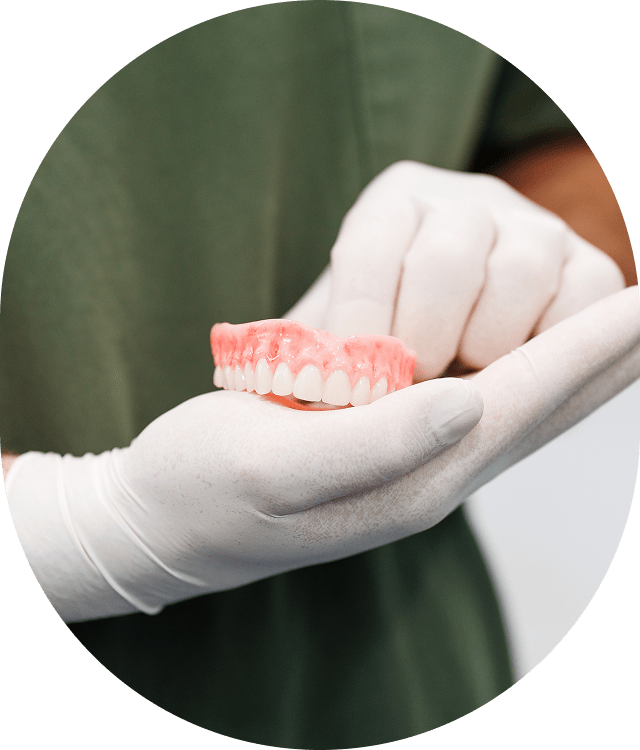
Full dentures are removable appliances that replace all missing teeth. They’re designed to help restore appearance and function, but fit and comfort vary between patients. Adjustments and reviews are often required.

Why Choose Crown Holistic Dental for Dentures

Dentures should feel natural and functional. We design with fit, comfort, and appearance in mind while supporting overall health. Here are some reasons patients value our holistic denture care.

Custom Dentures With a Focus on Fit

Our dentures are individually made to suit each patient’s bite and oral structure. This supports everyday activities such as eating and speaking. Results vary, and adjustments may be required, but each set is designed with function in mind.

We create dentures with attention to both function and appearance. They are designed to sit appropriately and aim to support oral function while also providing a complete smile in a practical, patient-focused way.

Adapting to dentures can take time. Our team provides follow-up care, advice, and adjustments where needed. Patients are given clear guidance on use and maintenance to support a smoother transition, with ongoing professional input available if concerns arise after fitting.

Dentures are intended to help support speech, eating, and oral function in daily life. We discuss individual preferences and lifestyle factors to help create designs that are practical and aligned with long-term oral health management.

The Ideal Candidates for Full Dentures

Benefits of Choosing Full Dentures

Book Your Consultation for Custom Full Dentures

At your consultation, our team will assess your oral health and discuss options such as custom dentures. We’ll explain the process, outline alternatives including traditional dentures, and help you understand expected benefits, limitations, and the need for adjustments over time.

Steps Involved in Getting Full Dentures

The process of receiving full dentures involves several clinical stages. Each step is designed to assess your oral health, guide the denture design, and support function, comfort, and long-term fit.
1

Step 1: Initial Consultation and Oral Assessment

Your dentist reviews your gum condition, bone structure, and any remaining teeth. Suitability for full dentures is explained, along with alternatives such as traditional dentures. This step includes discussing expected benefits, limitations, and the possibility of ongoing adjustments or additional care depending on your clinical needs and treatment goals.

2

Step 2: Impressions and Bite Registration

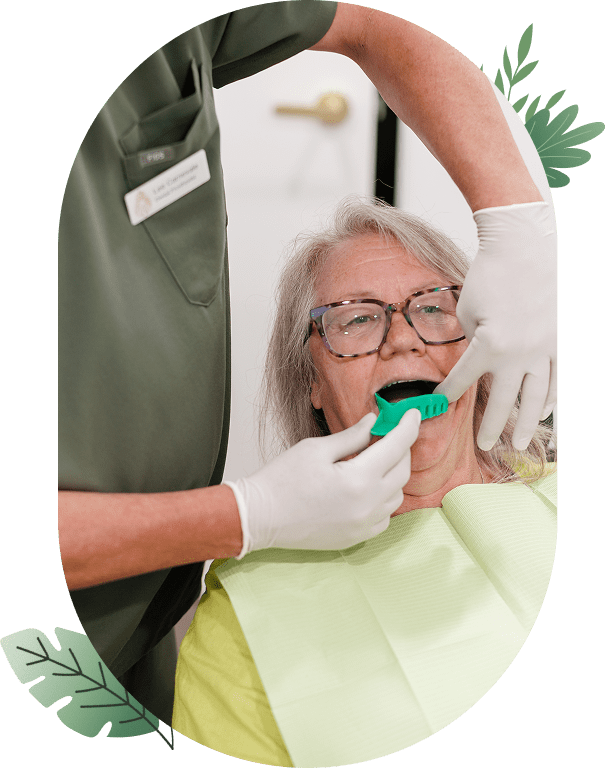
Impressions of your upper and lower gums are taken to record shape and detail. Bite registration using wax blocks or similar materials helps align the teeth's position. This information guides the design of your custom dentures, with the aim of supporting chewing, speech, and appearance. Adjustments are commonly needed.

3

Step 3: Trial Fitting and Adjustments

A wax model of your complete dentures is used to test the fit, alignment, bite, and speech. Feedback during this stage allows changes before the final denture is made. This process helps refine comfort and appearance, but regular reviews remain essential, as fit may change with time.

4

Step 4: Final Fit and Ongoing Care

Your final full dentures are fitted and reviewed for function, comfort, and appearance. Instructions on cleaning, care, and follow-up are provided. Because gums and bone can shift over time, relines or adjustments may be required. Ongoing dental reviews ensure long-term fit, support, and oral health maintenance.


Frequently Asked Questions

Clear answers to common questions about full dentures, covering treatment, care, comfort, daily use, and long-term oral health considerations.

How much does a full set of dentures cost in Australia?

In Australia, a full set of upper and lower dentures typically costs between $2,795 and $4,700. Pricing depends on the materials used and the complexity of your treatment. An upper denture alone may range from $1,555 to $3,800.

The final cost may vary depending on the type of denture recommended, such as immediate or conventional. The materials used and any additional procedures, including extractions, also influence pricing.

At Crown Holistic Dental, a detailed quote will be provided following a clinical assessment. Payment plans are available through providers such as Zip, Humm, Openpay, and Supercare. Eligible patients may also access government programs like the Child Dental Benefits Schedule or the Department of Veterans’ Affairs.

Full dentures may be provided after removing all remaining teeth if this approach is appropriate for your oral condition. This option may be recommended when teeth are severely decayed, damaged, or affected by advanced gum disease and cannot be restored.

Your dentist will first conduct a comprehensive assessment to determine if full dentures are suitable for your oral health. They will also plan the timing of any extractions and denture placement.

In some cases, immediate dentures can be fitted on the same day as extractions. In other situations, a healing period will be required before dentures are made and fitted. The dental team at Crown Holistic Dental will explain the process and outline any appropriate treatment alternatives. A personalised care plan will be developed to address your long-term dental needs.

The timing for receiving dentures after tooth extractions depends on the type of denture being provided and how your mouth heals. Immediate dentures may be placed on the same day your teeth are removed. This approach helps maintain appearance and basic function while your mouth heals. However, because the gums and bone will change shape as they heal, adjustments or a replacement denture may be needed later.

Conventional dentures are usually fitted three months from extraction since, in about 8 to 12 weeks, the bone starts to reform. This allows time for the tissues to settle, resulting in a more stable and accurate fit. Your dentist will assess your healing progress and recommend the most appropriate approach based on your clinical needs and long-term oral health.

Yes, full dentures can be a suitable treatment for patients with receding gum ridges, depending on the extent. Bone loss is often linked to periodontal disease, age-related changes, and tooth loss, which can affect how well dentures fit and function.

Your dentist will assess the condition of your oral tissues and supporting bone to determine if full dentures are appropriate. In some cases, modifications, such as soft liners or customised bases, can improve comfort.

Alternatives like implant-retained dentures may also be discussed to improve stability for patients who have experienced significant bone loss. A personal treatment plan will be developed to address functional and anatomical needs.

Many people adapt to eating and speaking with full dentures, although an adjustment period is common. Early challenges may include changes in chewing or speech clarity. Practising at home and starting with soft foods can help during adaptation. Outcomes vary among patients, and regular check-ups are essential to maintain fitness, comfort, and function.

To ease the transition, it is helpful to practice speaking at home and begin with soft foods cut into small pieces. Chewing on both sides of the mouth can improve balance and stability. With time and proper fit, most patients regain normal function and confidence in daily activities. Regular check-ups allow your dentist to make adjustments as needed for continued comfort.

Wearing full dentures for the first time involves a period of physical and functional adjustment. Below are some of the common experiences patients report during the initial week, along with guidance to help you adapt.

  1. Gum Soreness or Pressure Points:
    It is common to feel mild irritation or sore spots where the denture rests against the gums. This occurs as your tissues adjust to the new pressure. Your dentist may need to make minor adjustments to improve comfort.

  2. Increased Saliva Production:
    Many people experience excess saliva during the first few days of wearing dentures. This is a natural response to a foreign object in the mouth and usually settles as your body adjusts.

  3. Difficulty Speaking Clearly:
    Certain words may be difficult to pronounce at first. Practising speech aloud, especially reading slowly, can help retrain your tongue and improve clarity within a few days.

  4. Chewing Challenges:
    Chewing may feel unfamiliar or awkward initially. Start with soft foods, cut into small pieces, and chew evenly on both sides to help stabilise the denture.

  5. Sensation of Bulk or Looseness:
    Dentures may feel large or unstable at first. This sensation typically decreases as your oral muscles adapt, and your dentist fine-tunes the fit if needed.

  6. Adjustment Period Varies by Patient:
    Everyone adapts at a different pace. Regular follow-up appointments allow your dentist to monitor your progress and make any necessary refinements for comfort and function.

This early phase is temporary, and most patients adjust well with appropriate care and support. Following your dentist’s instructions and attending scheduled reviews will help you adapt more smoothly.

It is generally advised to remove full dentures before sleeping. Your dentist may advise otherwise in specific cases, depending on your oral health needs. Taking dentures out at night gives your gums and tissues a chance to rest and recover.

Leaving dentures in overnight may increase the risk of irritation, pressure spots, or fungal infections such as denture stomatitis. It may also contribute to long-term bone loss, which can affect how well your dentures fit in the future.

Removing dentures before bed helps prevent moisture buildup and allows them to dry properly. This routine also promotes better hygiene and can extend the life of your dentures. If you are concerned about not wearing your dentures while you sleep, speak with your dentist. They may recommend short-term measures or modify your care plan to improve comfort and reduce irritation.

Full dentures often last about five years, though this varies depending on changes in gums, bone, and daily maintenance. Over time, fit may decline, causing irritation or difficulty chewing. Regular dental reviews allow your dentist to recommend relining, rebasing, or replacement. Good oral hygiene and denture care can help extend their lifespan.

A denture that no longer fits well may lead to irritation, difficulty with chewing or speaking, or changes in facial shape. Regular dental check-ups allow your dentist to monitor these changes and recommend adjustments if relining, rebasing, or replacement is required.

To help maintain your dentures, practise good oral hygiene, clean them daily, and attend regular appointments. These habits can help extend their lifespan and promote continued comfort and function throughout daily use.

Adjusting to full dentures is a gradual process, and it is normal to encounter some challenges in the early stages of wear. These difficulties may improve with care and adjustments, though experiences vary between patients.

  • Gum Soreness or Pressure Spots:
    New dentures can cause mild irritation or sore areas where they contact the gums. These pressure points are common as the tissues adapt and can often be relieved through small adjustments made during follow-up visits.
  • Looseness or Lack of Stability:
    Some people initially feel that their dentures are loose or unstable, especially during speaking or chewing. This sensation may improve as the oral muscles adapt and the denture is adjusted, though outcomes differ between individuals.
  • Difficulty Chewing Certain Foods:
    Hard or sticky foods may be more challenging to chew during the first few weeks. Starting with soft foods and gradually reintroducing more complex textures can help ease this transition.
  • Speech Changes:
    Some people notice difficulty pronouncing certain words clearly. Speech may improve with time and practice, though adjustment periods vary between patients.
  • Increased Saliva Flow:
    The presence of a new denture can stimulate excess saliva production. This may settle with time as the mouth adjusts, though the timeframe differs.
  • Altered Taste or Oral Sensation:
    Sometimes, people report a temporary reduction in taste or changes in how the mouth feels. These sensations generally fade as your body becomes accustomed to the denture.

These responses are part of the body’s natural adaptation process. Ongoing reviews and tailored care can help manage concerns and improve comfort while you adjust to wearing full dentures.

Maintaining oral hygiene is essential, even when wearing full dentures. Proper care helps prevent infection, promotes gum health, and contributes to the long-term comfort and stability of your dentures. A consistent routine also reduces the risk of irritation and helps preserve the soft tissues that support your appliance.

  1. Remove Dentures Overnight:
    Always take your dentures out before sleeping. This gives your gums time to rest and recover from the pressure applied during the day.
  2. Brush Soft Tissues Daily:
    Use a soft-bristled toothbrush to gently clean your gums, tongue, and the roof of your mouth every morning and evening. This helps remove plaque and promotes circulation in the soft tissues.
  3. Rinse With Mild Solutions:
    Rinse your mouth with water or an alcohol-free mouthwash to maintain cleanliness and comfort. Avoid products that may dry or irritate the tissues.
  4. Attend Regular Dental Follow-ups:
    Ongoing dental appointments are important to monitor the health of your mouth and assess the fit of your dentures. Your dentist can make timely adjustments if needed to improve comfort and function.
  5. Report Any Discomfort Early:
    Notify your dentist promptly if you experience irritation, sore spots, or other concerns. Early intervention can prevent minor issues from becoming more serious.

Good oral hygiene helps protect against inflammation and infection while supporting the long-term success of your dentures. Keeping the tissues beneath your appliance healthy also contributes to a better fit and improved day-to-day comfort.

Not wearing your full dentures consistently may affect oral function and comfort. Over time, changes in bone and soft tissues can occur, which may alter facial shape and make future fittings more complex.

  • Speech and Chewing Difficulties:
    Some people may notice looseness or difficulty pronouncing words and chewing if dentures are not worn regularly. These functions often depend on ongoing muscle adaptation and practice.
  • Increased Sensitivity:
    Without consistent use, soft tissues may become more sensitive. Reinserting dentures after a break can sometimes cause temporary irritation or discomfort.
  • Reduced Tolerance Over Time:
    Some people may find it harder to tolerate dentures after extended breaks, which can make daily wear more difficult and discourage consistent use.
  • Decreased Confidence:
    Some people report feeling less confident in social situations without dentures, though experiences vary from person to person.

Wearing dentures regularly may help support oral function and comfort, but results differ between individuals. If you experience difficulties, consult your dentist for adjustments or tailored advice.

Full dentures often need replacement, relining, or rebasing over time. Many last around five years, though this varies depending on how they are maintained and changes in gums or bone. Even if the denture itself remains intact, natural changes in oral structures may affect fit. Poorly fitting dentures can cause irritation or reduced function. Regular dental reviews help determine whether adjustments, relines, or replacement are needed.

Wearing a denture that no longer fits properly can lead to discomfort, reduced chewing efficiency, and irritation of the gums. During routine dental reviews, your dentist will check the condition of your dentures and may recommend relining, adjusting, or replacing them to maintain comfort and function.

Book A Consultation to Discuss Your Oral Health Needs

Ready to explore holistic dental care? Book a personalised consultation with a holistic dentist in Joondalup and start prioritising your oral health, personal comfort, and long-term well-being. 

Any surgical or invasive procedure carries risks. Before proceeding, you should seek a second opinion from an appropriately qualified health practitioner. Results, risks, complications, and recovery time vary significantly between individuals.