
Restore Your Smiles With Dentures in Joondalup
Crown Holistic Dental offers dentures in Joondalup, designed to support chewing, speaking, and overall appearance. We offer tailored options to suit individual needs and maintain day-to-day oral function.
What Makes Our In-House Dentures a Convenient Option for Our Patients
Our in-house denture services in Joondalup allow timely adjustments and provide material options suitable for patients with sensitivities. As a denture clinic in Joondalup, we tailor each denture to individual needs. Comfort, durability, and support are considered, with outcomes varying depending on individual oral health and the need for adjustments over time.
- Faster adjustments with on-site lab
- Options for allergy-conscious materials
- Personalised design for functional support
Types of Dentures Available at Crown Holistic Dental
Our clinic offers full dentures in Joondalup for patients who are missing all their teeth, aiming to support appearance, stability, and daily function.
Learn MoreWe provide partial dentures in Joondalup using FRS flexible denture material, designed for durability and adaptability, which supports oral function and comfort.
Learn MoreImplant-supported dentures are anchored to dental implants, aiming to provide additional stability, support chewing function, and enhance long-term oral health.
Learn MoreSnap-on dentures connect to dental implants for added retention, providing a convenient and stable removable option.
Learn MoreImmediate dentures are available through our in-house denture services, supporting oral function and appearance immediately following tooth removal procedures.
Learn MoreOur denture clinic in Joondalup offers repair services, aiming to restore denture comfort and oral function when appliances are damaged or worn.
Learn MoreWe provide denture relines in Joondalup to help improve comfort and fit when natural gum changes affect the stability of dentures over time.
Learn MoreCommon Candidates for Denture Treatment

People with multiple missing teeth
Patients experiencing difficulty chewing certain foods

Adults seeking a cost-effective tooth replacement

Individuals with worn or severely damaged teeth
Denture-Related ProblemsWe Help Address
Loose fit or discomfort
Loose dentures can move or irritate gums, sometimes leading to soreness and reduced daily comfort.
Trouble eating or speaking
Ill-fitting dentures may make chewing difficult and can interfere with clear, comfortable daily speech.
Dentures that click or slip
Dentures that click or slip may reduce stability, affecting your ability to speak, eat, and maintain general oral comfort.
Crack, stains, or visible wear
Cracked, stained, or worn dentures can compromise both appearance and comfort, potentially impacting everyday oral function.
We Create Dentures With Integrity, Care, and Precision
At Crown Holistic Dental, we offer dentures in Joondalup that are tailored to meet individual oral health needs and support daily functions. Each treatment is based on careful assessments and a precise fitting process, tailored to meet the specific needs of each patient.
We use biocompatible materials and offer denture options appropriate for patients with sensitivities. From planning through to fitting, our approach emphasises detail, durability, and patient comfort, with results varying depending on individual circumstances.
The Denture Process: What to Expect
Initial consultation
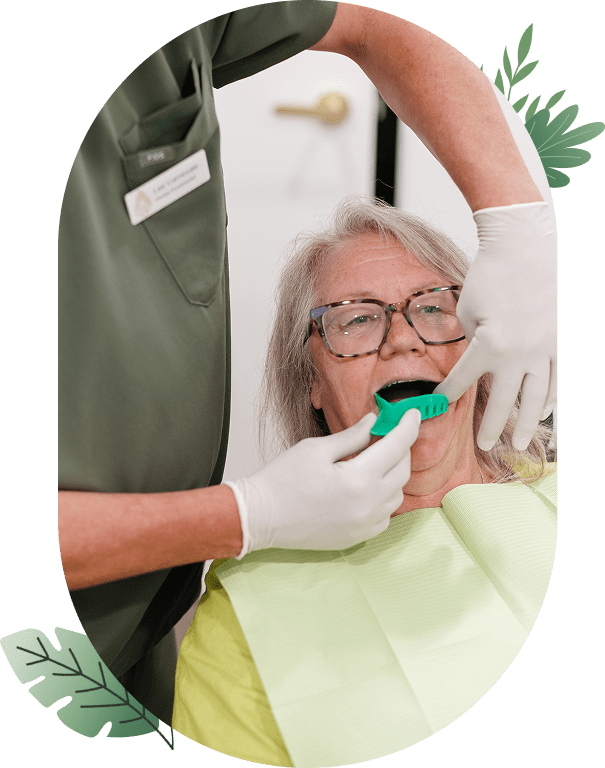
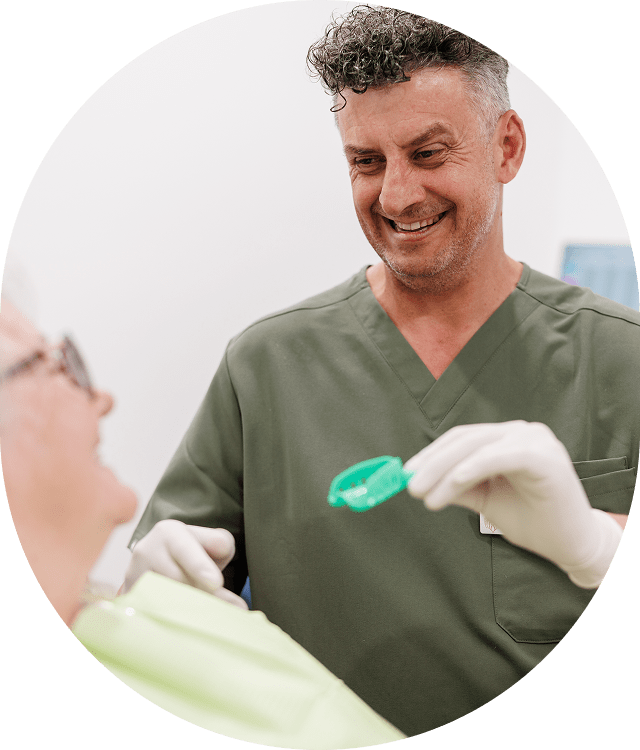
At the first appointment, we assess your teeth, gums, and bite alignment, then take impressions to capture the shape of your mouth. These records guide the accurate design of dentures, whether full or partial. Suitability, treatment options, and next steps are also discussed in detail.
Wax bite registration
A wax model is used to record how your jaws meet in their natural bite. This step helps confirm alignment, vertical dimensions, and jaw function. Accurate registration supports dentures that fit more comfortably and reduce uneven pressure during chewing or speaking activities.
Trial fitting
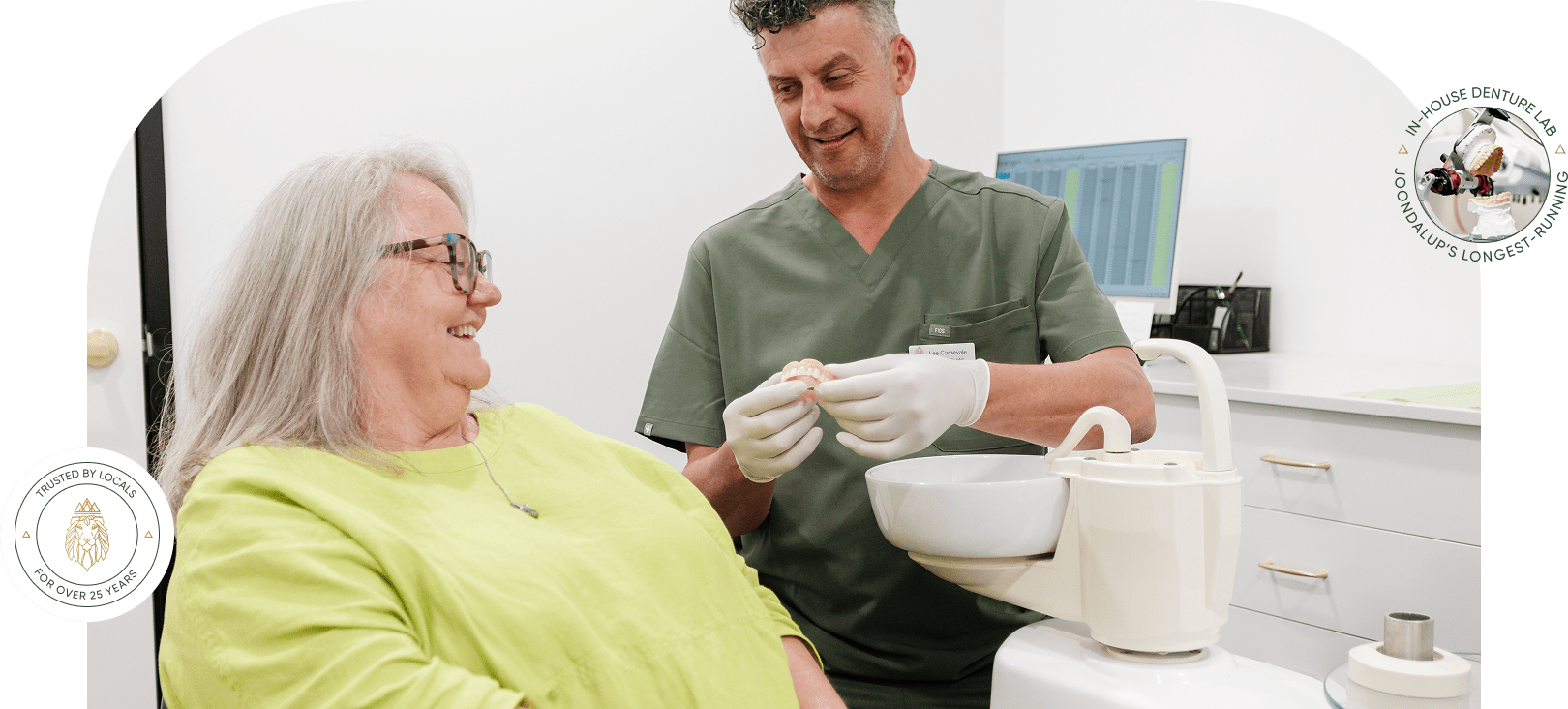
A wax model of your denture is placed in your mouth for assessment. You can review the tooth’s shape, size, and shade. Adjustments are made to suit oral proportions and preferences before the permanent denture is finalised for long-term use.
Final fitting and aftercare
The completed denture is inserted and checked for fit, bite, and appearance. Aftercare guidance is provided, including hygiene routines and handling. Patients are advised when to return for adjustments or relines, as changes in oral tissues can affect denture comfort.
Biocompatible Materials & Holistic Options
We provide denture choices designed with your comfort and well-being in mind. Our selection reflects a focus on harmony with the body and respect for your overall health.
- Metal-free partials
- BPA-free acrylics
- Natural care tips for denture cleaning
- Gentler liners for sensitive gums
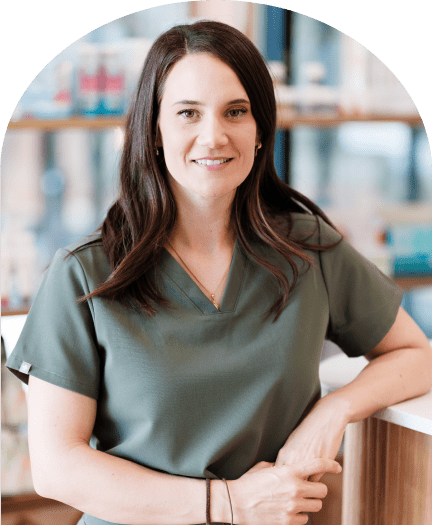
Get to Know Our Denture Team
Oral Health Therapists
Kaitlyn Rusell
She prioritises gentle care and connection, helping patients feel safe and understood throughout their dental journey.
Get to Know Kaitlyn
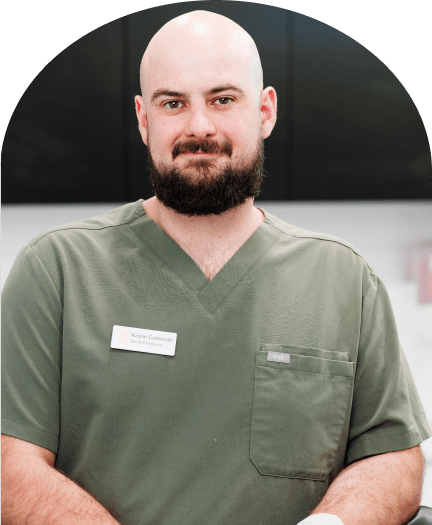
Dental Prosthetist
Kayne Carnevale
She promotes informed decisions by providing clear explanations, fostering collaborative care, and adopting a preventative mindset.
Get to Know Kayne

Senior Dental Prosthetist
Lee Carnevale
He leads with holistic values, focusing on respectful care that supports long-term oral health and well-being.
Get to Know LeeFrequently Asked Questions
What are dentures, and how do they work?
Dentures are removable dental appliances that replace missing teeth and gum tissue. Designed to fit snugly in the gums, they can assist with chewing, speaking, and supporting the overall facial structure.
- Tooth Replacement:
Dentures replace missing natural teeth in either jaw. They may replace all teeth (full denture) or some (partial denture), depending on the individual’s needs. - Facial Structure and Appearance:
Dentures can help support the lips and cheeks, contributing to a more balanced appearance in some patients. - Custom Fit and Retention:
Dentures are shaped to fit the gums. Full dentures may use suction, while clasps or crowns help secure partial dentures. - Restoration of Function:
Dentures are designed to support daily functions such as chewing and speaking, though adaptation varies by individual. - Optional Implant Support:
Some dentures may be secured using dental implants to assist with stability, where clinically suitable.
What denture materials are available at Crown Holistic Dental?
At Crown Holistic Dental, we offer a selection of denture materials that may be considered depending on individual comfort needs, sensitivities, and functional goals. Our partial dentures in Joondalup are often made using flexible, lightweight options that feel less bulky than acrylic and are designed to support daily wear.
- FRS (Flexible Resin System):
Provides flexibility and resistance to fracture, which may make it suitable for partial dentures. - Valplast:
A lightweight, flexible material that adapts to oral movement and may assist with day-to-day wearability. - Acrylic:
Commonly used in full dentures due to adjustability and wide availability, often making it a practical option. - Composite-based materials:
May be recommended depending on comfort, support, and functional needs, allowing tailored treatment for diverse oral conditions.
During your consultation, we’ll discuss which material best suits your treatment goals and denture type.
What are the different types of dentures available today?
Dentures are available in several forms to suit different oral conditions, preferences, and goals. Each type is designed with specific aims, such as supporting fit, stability, or appearance, depending on the clinical needs.
- Full Dentures:
Our clinic offers full dentures in Joondalup, which rest on the gums and can help improve oral function and appearance when all teeth are missing. - Partial Dentures:
For patients with some natural teeth, partial dentures use clasps or attachments to support alignment and oral function. - Implant-Retained Dentures:
Supported by dental implants in the jawbone, designed to enhance stability and may assist with chewing and speaking. - Immediate Dentures:
Inserted the same day as extractions, serving as a temporary solution while gums heal before permanent dentures are fitted. - Overdentures:
Fit over remaining teeth or implants, designed to improve retention and help preserve underlying bone structures. High-Strength Flexible Dentures:
Flexible dentures made with strong materials to reduce everyday fracture risk, potentially suitable for patients prioritising durability.
How much do dentures cost?
Denture costs vary depending on the type selected, materials used, and any additional procedures. A full set may cost between $2,795 and $4,700, while a single upper denture may range from $1,555 to $3,800. Prices depend on the consultation, the number of appointments, and the adjustments required.
A complimentary consultation is available at Crown Holistic Dental for patients considering dentures in Joondalup (Terms and Conditions apply). This appointment includes an oral health assessment and a discussion of suitable denture options tailored to individual needs.
Flexible payment options are available through Zip, Humm, Openpay, and Supercare. Eligible patients may also be able to access support through government-funded programs, including the Department of Veterans’ Affairs.
What do modern dentures look and feel like?
Modern dentures are designed to resemble the look and shape of natural teeth and gums. Advances in materials and fabrication techniques enable them to support durability, wearability, and oral function. The fit and feel of dentures vary depending on design, oral anatomy, and ongoing maintenance.
- Natural Appearance:
Modern dentures are shaded and shaped to resemble natural teeth and gums. Each is designed individually to align with oral anatomy. - Materials and Fit:
Made from lightweight, biocompatible materials designed to balance strength and appearance. Fit may vary, and adjustments are often required. - Function and Movement:
Contemporary designs support chewing and speaking movements. Minor adjustments are typically required after initial placement to enhance stability and comfort. - Enhanced Options:
High-strength, flexible dentures are available for patients concerned about durability, designed to reduce the risk of fracture in everyday use. - Appearance in Daily Life:
When properly fitted and maintained, dentures may support a natural-looking oral appearance in social and professional settings.
How long do dentures typically last?
With proper care, dentures can last between five and ten years, depending on factors such as the materials used, daily maintenance, oral health, and overall wear. Over time, natural changes in the gums and bone may affect how dentures fit and function.
Relining or replacement may be necessary to maintain fit and oral function. Regular dental reviews help monitor tissue health, denture fit, and whether adjustments are needed to support proper chewing and speaking. They may also help identify changes in facial profile related to denture fit. Consistent care may prolong the lifespan of a denture and support overall oral stability.
Can dentures be worn with dental implants?
Dentures can sometimes be combined with dental implants. This approach, known as implant-retained dentures, is designed to enhance lower denture stability where clinically appropriate.
Dental implants are titanium or ceramic fixtures placed in the jawbone. After healing, they may serve as anchors to hold dentures in place and may assist with function during eating or speaking.
Most implant-retained dentures are removable for cleaning, although some designs can be secured and maintained during dental visits. The most suitable option depends on individual factors such as bone quality, oral health, and treatment needs.
How do dentures compare with dental implants?
Dentures and dental implants each offer distinct features and may suit different oral health needs. The table below outlines general considerations. A dental professional should determine suitability after a clinical assessment.
Feature | Dentures | Dental Implants |
Stability | May shift without adhesive or implant support | May remain stable after integration into the jawbone, depending on clinical conditions |
Function | May take time to adapt to speaking and chewing | May assist with chewing and speaking once healing is complete |
Appearance | Designed to resemble natural teeth and gums | Designed to replicate the look and role of natural teeth where clinically suitable |
Maintenance | Removed daily for cleaning | Cleaned similarly to natural teeth |
Bone Preservation | Does not stimulate the jawbone, which may lead to bone loss | May assist in preserving bone structure through jaw stimulation |
Longevity | May remain functional for 5–10 years with regular maintenance | May remain functional for many years with appropriate care and favourable clinical conditions |
Treatment Approach | Non-surgical, typically faster to deliver | Involves surgical placement and a healing period |
Cost Consideration | Lower initial cost | Higher initial cost due to surgery and components |
Each treatment option has benefits and limitations. A personal consultation is necessary to determine the most appropriate approach for individual needs.
Can I get dentures if my bone has receded?
Yes, dentures may still be a suitable option for patients experiencing bone loss. The degree of gum and bone loss can influence denture design, fit, and functional stability.
In more advanced cases, design modifications may be considered. These options include soft linings, implant retention, and base adjustments to enhance fit and minimize movement during speaking or eating.
A detailed oral assessment is required to examine gum health, bone support, and overall suitability for dentures. Based on clinical findings, a treatment plan can be developed to address individual needs and support oral function over time.
Can you eat, talk, and smile comfortably with dentures?
Dentures are designed to support oral functions, including eating, speaking, and maintaining oral appearance. A well-fitted denture can provide stability during these activities, although outcomes vary depending on individual needs.
An adjustment period is common as the mouth adapts to the appliance. Soft foods and speech exercises can be useful during this time. Over time, some patients may adapt to eating a wider range of foods and may notice clearer speech with practice.
Can you sleep with dentures in?
It is generally advised to remove dentures before going to sleep. Allowing the oral tissues to rest overnight can help reduce pressure on the gums and surrounding structures.
Wearing dentures continuously, including overnight, has been associated with an increased risk of tissue irritation or changes in the mouth. It may also affect natural saliva flow, which plays a crucial role in maintaining oral health.
Storing dentures in a clean, dry container or denture-soaking solution overnight is part of good care practice. A consistent routine of removal and cleaning can help maintain hygiene and preserve the appliance’s condition over time.
How many hours a day should dentures be worn?
Dentures are typically worn during waking hours and removed at night while sleeping. Daily wearing time may vary depending on individual comfort and clinical instructions.
Wearing dentures continuously without breaks may contribute to gum irritation or reduced circulation in the supporting tissues. Removing dentures at night can help prevent inflammation and allow the mouth to recover.
For patients new to dentures, adaptation may be gradual. Recommended wearing times should be adjusted based on tissue response and advice provided during dental reviews.
What are the disadvantages or limitations of wearing dentures?
While dentures are a valuable option for replacing missing teeth, they may present some limitations. These limitations depend on the individual’s oral anatomy, daily habits, and the duration of use. These considerations can help set realistic expectations and guide appropriate care.
- Fit and Movement:
Conventional dentures may shift slightly during eating or speaking, particularly in the lower jaw. Fit can change over time due to natural bone resorption, which may affect comfort and function. - Adjustment Period:
Most people require time to adapt to new dentures. Initial discomfort, difficulty with certain words, or changes in chewing efficiency may occur during the early weeks. - Bone and Tissue Changes:
Wearing dentures does not prevent the jawbone from gradually shrinking after tooth loss. This may alter the shape of the gums and affect the long-term fit of dentures. - Ongoing Maintenance:
Dentures require daily cleaning and occasional professional review. They may need relining or replacement to maintain comfort and function as the mouth changes. - Dietary Considerations:
Certain foods—particularly hard, sticky, or very chewy items—may be more difficult to manage with dentures. Caution may be needed when chewing to avoid discomfort or denture instability.
How do I care for my dentures to help them last?
Proper daily care is crucial for maintaining the appearance, comfort, and function of dentures. Consistent cleaning and safe handling practices can help extend their lifespan and reduce the risk of damage or discomfort.
- Clean Gently Every Day:
Use a soft denture brush and a non-abrasive denture cleanser to clean all surfaces. Avoid regular toothpaste, as it may scratch the material. Rinse dentures under cool or lukewarm water after meals to remove debris and prevent staining. - Soak Overnight:
Store dentures in a denture-soaking solution or clean water while sleeping. This helps maintain their shape and prevents the material from drying out or warping. - Avoid Heat and Pressure:
Do not use hot water on dentures. Excessive heat can cause warping, which affects the fit of the item. - Handle With Care:
Clean dentures over a soft towel or a basin of water to prevent breakage if they are dropped. Avoid bending clasps or applying unnecessary force. - Attend Regular Dental Appointments:
Periodic assessments help monitor oral tissues and check that the denture remains suitable. Adjustments or relining may be recommended as the mouth changes over time.
Following these steps can help maintain the integrity of the denture and contribute to long-term comfort and performance.
What happens if I don’t wear my dentures regularly?
Wearing dentures consistently can support oral function and contribute to mouth stability. Irregular use may lead to changes in fit, speech, and comfort over time.
- Fit and Tissue Changes:
Without regular wear, gums and bone may change shape more quickly. This can affect how dentures fit and may lead to discomfort or movement during use. - Facial Appearance:
Dentures can help support the appearance of the cheeks and lips. Without regular wear, gradual changes in facial appearance, such as a sunken or collapsed look, can occur. - Chewing and Speaking Difficulties:
Lack of consistent wear may make it harder to maintain clear speech and efficient chewing. The mouth may take longer to readjust when dentures are worn again. - Increased Adjustment Needs:
Infrequent wear may lead to the need for more adjustments or relining of the denture. Ongoing reviews are essential for monitoring dental fit and oral health.
Can I wear dentures if I have remaining natural teeth?
Yes, dentures can still be worn by patients who have some natural teeth. In these cases, a partial denture may be recommended to fill gaps left by missing teeth. These dentures are shaped to match the mouth and can be fitted with clasps or attachments for stability during speaking and chewing.
A clinical assessment is required to evaluate the health of natural teeth, gums, and supporting bone. If appropriate, a partial denture can be designed to support oral function and alignment. Regular check-ups are recommended to monitor the fit and allow for any necessary adjustments. Partial dentures may provide a practical option for replacing missing teeth, depending on individual circumstances.
At Crown Holistic Dental, we tailor our partial dentures in Joondalup to suit your oral health needs, comfort, and lifestyle. Our team supports patients through each stage of treatment with a focus on personalised care and ongoing oral health.
Denture Cost and Payment Options
We provide example pricing and payment options for dentures in Joondalup. These options apply across different denture types, materials, and treatment needs.
NEW DENTURES
We offer new dentures in various materials and styles, designed to suit your comfort, function, appearance, and long-term preferences.
1,450
Custom-designed based on individual oral structure and needs
Choose from acrylic, FRS, Valplast, or composite materials, depending on suitability
Includes trial fitting and adjustments before final processing
Available for full or partial dentures
Payment plans may be available through Zip, Humm, or SuperCare (eligibility applies)
DENTURE RELINES
Denture relines help improve the fit and comfort of dentures when natural gum changes affect their stability, wear, or feel.
XXX
Supports a more stable, accurate fit when oral tissues change over time
Helps reduce rubbing, gum pressure, or movement during eating or speaking
Completed quickly using our in-house denture services for convenience and accuracy
It may be recommended for long-term wearers to maintain comfort and function
Can support comfort and extend usability, depending on oral changes

DENTURE REPAIRS
We provide prompt denture adjustments to restore appearance and function when your appliance becomes cracked, loose, damaged, or worn down.
190
Supports a more stable, accurate fit when oral tissues change over time
Helps reduce rubbing, gum pressure, or movement during eating or speaking
Completed quickly using our in-house denture services for convenience and accuracy
It may be recommended for long-term wearers to maintain comfort and function
Can support comfort and extend usability, depending on oral changes

Behind the Scenes: Our Lab in Action
- All dentures are crafted on-site, enabling seamless communication between dentists and technicians to facilitate tailored adjustments.
- A fast turnaround is available for relines, repairs, and urgent adjustments, utilizing modern tools and techniques.
- Dental technicians adjust colour, shape, and fit to align with each patient’s oral structure.
- Our in-house denture services provide real-time collaboration, supporting precision, timely adjustments, and coordinated care between clinical and technical teams.
Take the First Step Towards Better Dental Wellness Today
Ready to explore holistic dental care? Book a personalised consultation with a holistic dentist in Joondalup and start prioritising your oral health, personal comfort, and long-term well-being.
Fund My Dental