
Filling One Gap With a
Dental Implant

When a tooth is missing, it may affect how you eat or speak, and in some cases nearby teeth can shift into the space. These changes vary between individuals and depend on overall oral health.

A single implant is one treatment option that may be recommended. It is designed to replace the missing tooth with a fixed structure that supports everyday function and bite stability.

Why Patients Choose Crown Holistic Dental for
Dental Implants

Dental implants restore function and appearance. Our team plans implant treatments with attention to comfort, biocompatible materials, and overall health. Here’s why patients choose our holistic approach to implant care.

Implants Designed for Oral Function

Dental implants are commonly used to replace missing teeth and help restore chewing and speaking ability. Using materials recognised for clinical use, our planning focuses on practical considerations within a patient’s overall care. Results vary between patients.

We begin with a comprehensive consultation and clinical assessment. Plans are tailored to each patient’s needs, and alternatives are explained to support informed decision-making. Our approach is to outline expected treatment steps, considerations, and follow-up so patients understand the process and what is required for ongoing care.

Treatment is planned and carried out with consideration for surrounding oral structures. We explain each stage, provide information about recovery, and outline possible risks. Patients are supported with guidance designed to help them prepare and manage their treatment responsibly.

Dental implants require ongoing maintenance and follow-up. We provide advice on hygiene, regular check-ups, and long-term care. Professional reviews are important to assess implant condition over time, and our team offers continued guidance as part of overall dental care.

Deciding If a Single Implant Fits
Your Needs

Key Benefits of One-Tooth Dental Implants

Let’s Talk About Replacing That Missing Tooth

Thinking about replacing one missing tooth with a dental implant? It starts with a one-on-one chat to explore your goals, assess your oral health, and see if a single implant is a good match.

Understanding the Process of Implant Placement

A single dental implant procedure involves a series of planned steps, each focused on long-term stability and comfort. Here’s a breakdown of what the process usually involves:
1

Initial consultation and planning:

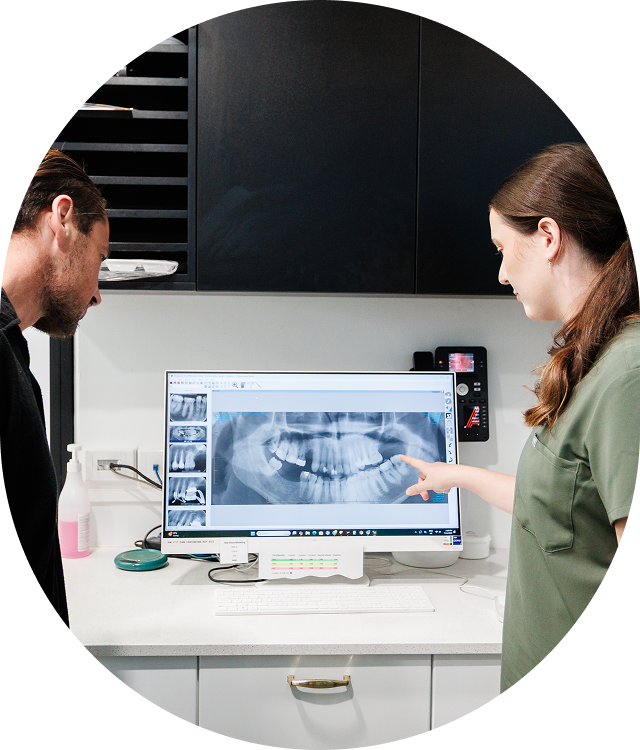
Your dentist will begin with a detailed assessment of your mouth, including X-rays or 3D scans. This assessment helps determine whether there is sufficient healthy bone to support the implant and to evaluate the angulation for its placement. You’ll also have the chance to ask questions and understand what to expect based on your individual case.

2

Implant placement surgery:

The implant—a small titanium post—is placed into the jawbone under local anaesthesia. Patients may experience temporary swelling, discomfort, or bruising afterward. Post-surgical care often involves rest and following your dentist’s instructions, with recovery experiences varying between individuals.

3

Integration with the jawbone (osseointegration):

Over the next few months, the implant gradually bonds with the surrounding bone through a natural process called osseointegration. This stage plays a vital role in building long-term support for the tooth replacement and usually takes 12 to 16 weeks, depending on the individual.

4

Placing the crown:

Once the implant is firmly in place, a custom-made crown is attached using a small connector (called an abutment). The crown is matched in shape and colour to your nearby teeth. This creates a stable and natural-looking result that fits comfortably into your bite and daily routine.


Frequently Asked Questions

Got questions about single implants? You’re not alone—here are some of the most common things people want to know.

What is a single dental implant, and how does it work?

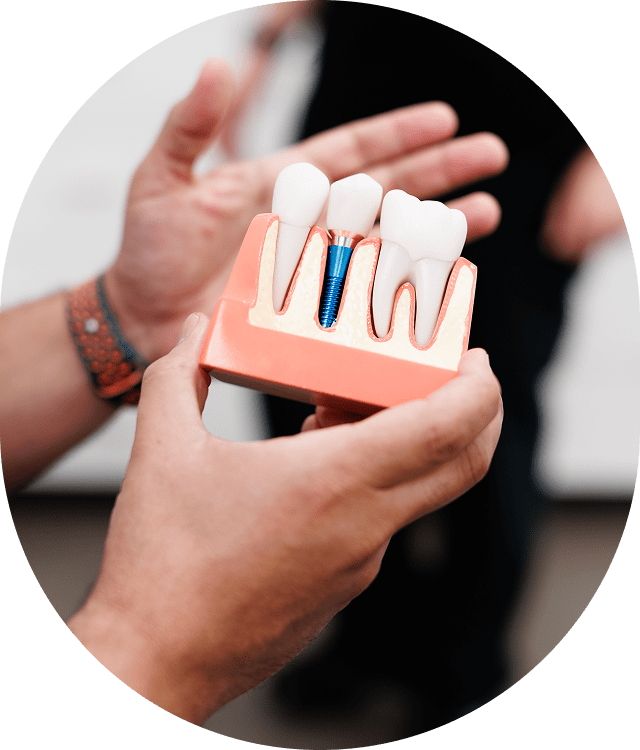
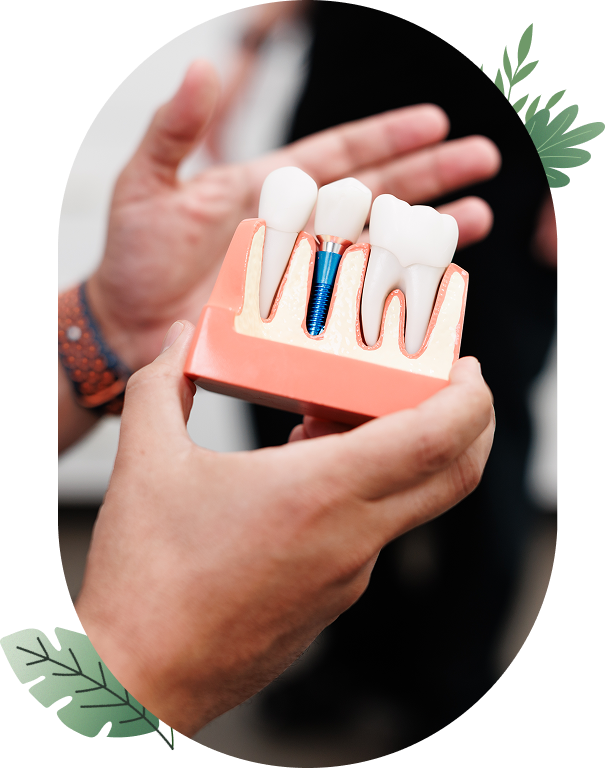
A single dental implant is a long-term approach for replacing one missing tooth with a structure that functions like a tooth root. The process begins with placing a small titanium post into the jawbone. This post acts like an artificial tooth root and gradually fuses with the bone over time—a process called osseointegration. This step helps create a stable foundation for the replacement tooth.

Once the area is ready, a custom-made crown is attached to the implant. It is shaped to fit your bite and support normal chewing and speech. Single implants may also help maintain bone in the area and usually do not involve altering neighbouring teeth, making them one possible treatment option.

If you’re wondering about the cost of a single implant, your dentist can give a detailed estimate based on your needs and the procedure involved.

A single dental implant procedure usually spans several months, depending on your individual case. After the initial consultation and planning, the implant is placed during a short surgical visit. From there, the body needs time to gradually bond with the implant, which can take 8 to 16 weeks.

Once the implant has integrated with the bone, the final crown is added. Some people may require additional steps, such as bone support or gum care, which can extend the timeframe slightly. Your dentist will guide you through each stage and provide an outline based on your specific needs.

Not always. Bone grafting is only recommended if there isn’t enough healthy bone in the area to support the implant. This can happen when a tooth has been missing for a while, or if the bone has naturally thinned or receded over time.

Many people have sufficient bone and won’t need grafting at all. If necessary, your dentist will explain the process and what it means for your dental plan. The goal is to provide a strong foundation for the implant so that it can integrate properly and function effectively in the long term.

If you’re exploring a tooth implant in Joondalup, your dentist will assess whether grafting is recommended based on your current bone levels.

How long a dental implant lasts can vary between individuals. The implant post placed in the jaw may remain for many years, while the crown on top may need replacement over time due to normal wear.

The longevity of the implant often depends on your daily habits, general health, and follow-up care. Some of the factors that can influence the lifespan of a dental implant include:

  • Brush and floss daily to help keep the gums and surrounding bone healthy around the implant.

  • See your dentist regularly for check-ups and professional cleans to monitor the implant and overall oral health.

  • Avoid smoking, as it can interfere with the healing process and long-term stability of the implant.

  • Work with your healthcare provider to manage medical conditions, such as diabetes or osteoporosis, that may affect bone support.

  • Use a night guard if you tend to clench or grind your teeth, particularly while sleeping, to help reduce pressure on the implant.

Everyone’s experience is a little different, but with proper care and support, dental implants can remain a reliable part of your smile for many years.

Knowing what to expect during a single dental implant procedure can make the process feel more manageable. Here’s a general idea of what typically happens during and after the procedure:

  • During the surgery:
    The implant is placed under local anaesthesia, so the area will be numb while your dentist works. Most people describe the experience as more manageable than anticipated—often involving pressure rather than pain. The appointment may take around an hour, depending on your case, and you’ll be given instructions to prepare in advance.
  • After the surgery:
    You may experience some swelling, mild discomfort, or bruising in the area for a few days. These effects are usually temporary and can be eased with pain relief and rest. Soft foods are often recommended while the area settles, and your dentist will guide you on how to care for the site during this time.

Healing continues beneath the surface as the implant gradually bonds with the surrounding bone, a normal and essential part of the overall process.

Yes, dental implants can be made from more than one type of material. While all are designed to work safely with the body, each has its own features. The two most commonly used are:

  • Titanium:
    This is the most commonly used material. It’s biocompatible, meaning it works well with the body, and it gradually bonds with bone through a process called osseointegration. Titanium implants have a long history of use in dentistry and are known for their durability.
  • Zirconia:
    Made from ceramic, zirconia is sometimes chosen as a metal-free alternative. It’s tooth-coloured, which some people prefer for aesthetic reasons, especially in certain areas of the mouth. Zirconia may also be considered in cases of metal sensitivity.

Your dentist will explain the differences and recommend the most suitable option based on your individual needs.

In some cases, yes—a dental implant can be placed at the same appointment as the tooth extraction. This approach, known as immediate implant placement, may be considered if the surrounding bone is healthy, there’s no active infection, and other conditions are favourable.

Your dentist will assess the area to decide whether immediate placement is suitable or if some healing time is recommended. Both options are commonly used and selected based on what’s appropriate for your specific situation.

Following the procedure, it’s advisable to focus on soft, easy-to-chew foods to support comfort and allow the area to settle. Avoiding anything too hard, hot, or crunchy can also help reduce irritation in the days after placement. Here’s a simple guide to help you plan your meals:

Recommended Foods

Foods to Avoid

Mashed potatoes, steamed veggies

Crunchy raw vegetables (like carrots)

Yoghurt, custard, and soft cheeses

Hard cheeses and crusty breads

Smoothies and meal replacement drinks

Nuts, popcorn, and seeds

Scrambled eggs, soft pasta

Tough meats, jerky, or chewy foods

Soup (not too hot) and soft rice

Spicy or very hot foods that may irritate

Your dentist will let you know when it’s suitable to begin reintroducing firmer foods based on your progress.

Caring for a dental implant is similar to looking after your natural teeth. A consistent routine helps keep the gums healthy and supports the tissues around the implant.

  • Brush twice a day using a soft-bristle toothbrush and non-abrasive toothpaste.

  • Clean around the implant carefully to reduce plaque without applying excessive pressure.

  • Floss daily or use interdental brushes to clean between the implant and nearby teeth.

  • Avoid using your teeth to open packaging or bite very hard objects.

  • Attend regular dental check-ups and cleans, as recommended by your dentist.

A few simple daily habits can make a big difference in supporting the health and function of your implant over time.

Dental implants are a common treatment option, but as with any procedure, there are potential risks. These may include the following:

  • Some people experience minor swelling, bruising, or discomfort after the procedure, which usually settles within a few days.

  • An infection may develop around the implant site if proper oral hygiene is not maintained.

  • People with certain health conditions, such as diabetes or low bone density, may experience slower healing or a higher risk of complications.

  • In rare cases, the nerves near the implant site may become irritated, which can cause temporary changes in sensation.

  • The implant may become loose over time if there is insufficient bone support or if too much pressure is applied before the area has fully stabilised.

Your dental team will assess your overall health and oral condition before recommending an implant, and will guide you through ways to minimise these risks throughout the process.

Yes, single implants are commonly used to replace a missing front tooth. This part of the mouth plays a role in both appearance and speech. Because of that, the planning process is carefully tailored to support a crown that blends in with nearby teeth in shape, colour, and position. The implant itself provides the foundation for a tooth that feels comfortable and looks in proportion with your smile.

Placing an implant in the front of the mouth involves assessing bone levels, gum contour, and spacing to determine the most appropriate approach. In some cases, your dentist may recommend a temporary crown or adjustments to the soft tissue to support the final appearance. Digital scans or models are often used to guide the planning and placement to help achieve a balanced, well-integrated outcome.

In some cases, an implant may not fully bond with the surrounding bone. This is referred to as a lack of integration, and although it’s uncommon, it can occur. A few factors may contribute to this:

  • There may be insufficient bone volume or density to support the implant.

  • Continuous pressure or movement during the healing period can affect stability.

  • Certain medical conditions, such as diabetes or osteoporosis, may impact healing.

  • Smoking or poor oral hygiene can interfere with the integration process.

If this happens, your dentist will carefully assess the area and recommend a suitable next step. This might involve removing the implant and allowing the site to recover before exploring another implant placement or other tooth replacement options. Each plan is tailored to your individual needs.

Book A Consultation to Discuss Your Oral Health Needs

Ready to explore holistic dental care? Book a personalised consultation with a holistic dentist in Joondalup and start prioritising your oral health, personal comfort, and long-term well-being. 

Any surgical or invasive procedure carries risks. Before proceeding, you should seek a second opinion from an appropriately qualified health practitioner. Results, risks, complications, and recovery time vary significantly between individuals.