
Discover the Benefits of Ceramic Implants Today
Ceramic implants are a tooth-coloured option for replacing missing teeth. Made from zirconia, they are designed to blend with gums and teeth for a natural-looking result.
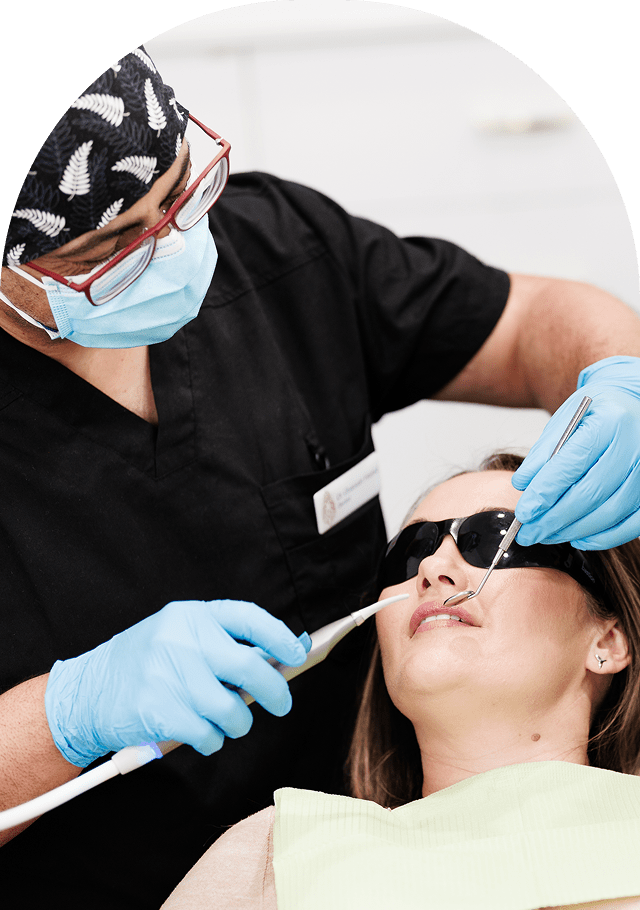
A Natural Alternative to Titanium Tooth Implants

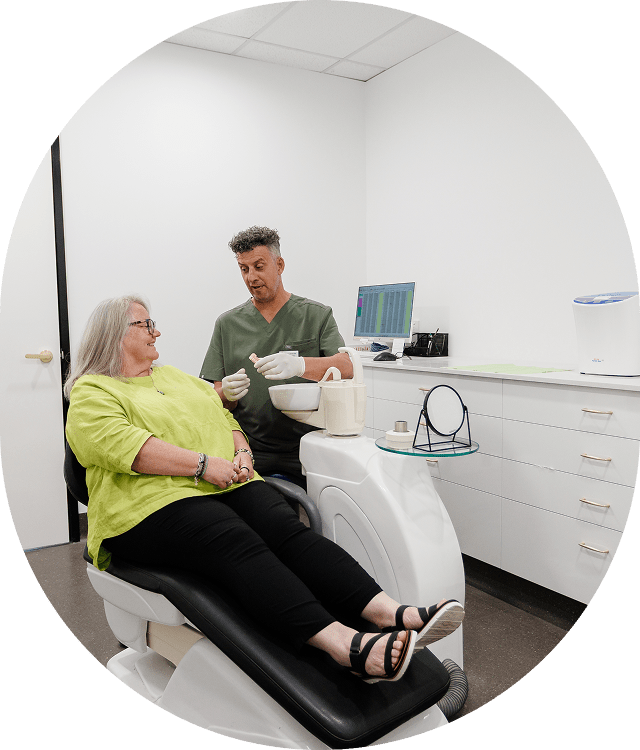
Missing teeth can affect chewing, speaking, and overall confidence in daily life. Some patients feel self-conscious about visible gaps or are concerned about the look of traditional implants.
Ceramic implants provide a tooth-coloured option designed to blend with surrounding gums and teeth. At Crown Holistic Dental, our personalised ceramic dental implants consultations help assess suitability, discuss alternatives, and outline expected outcomes.
Why Patients Choose Crown Holistic Dental for
Dental Implants
 Implants Designed for Oral Function
Implants Designed for Oral Function Dental implants are commonly used to replace missing teeth and help restore chewing and speaking ability. Using materials recognised for clinical use, our planning focuses on practical considerations within a patient’s overall care. Results vary between patients.
 Personalised Treatment Planning
Personalised Treatment Planning We begin with a comprehensive consultation and clinical assessment. Plans are tailored to each patient’s needs, and alternatives are explained to support informed decision-making. Our approach is to outline expected treatment steps, considerations, and follow-up so patients understand the process and what is required for ongoing care.
 Care With Patient Support in Mind
Care With Patient Support in Mind Treatment is planned and carried out with consideration for surrounding oral structures. We explain each stage, provide information about recovery, and outline possible risks. Patients are supported with guidance designed to help them prepare and manage their treatment responsibly.
 Ongoing Support for Long-Term Care
Ongoing Support for Long-Term Care Dental implants require ongoing maintenance and follow-up. We provide advice on hygiene, regular check-ups, and long-term care. Professional reviews are important to assess implant condition over time, and our team offers continued guidance as part of overall dental care.
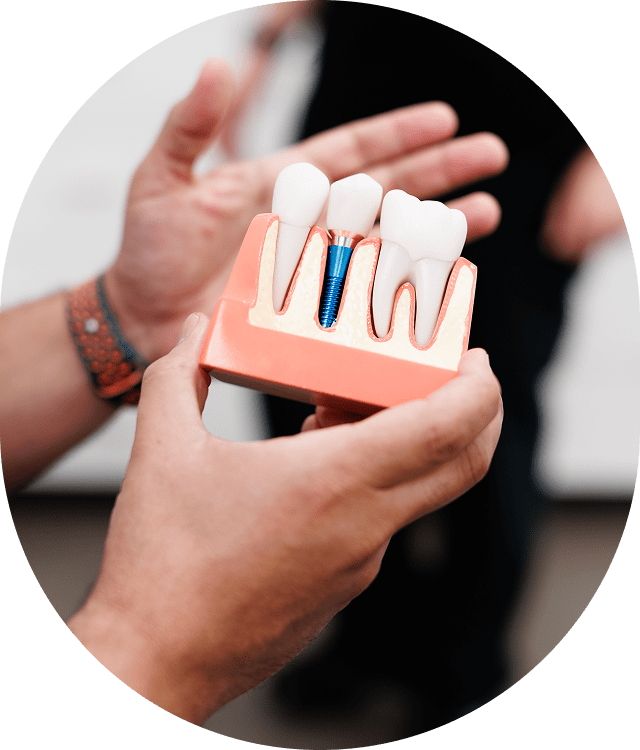




Ideal Candidates for Ceramic Implants
- Those wanting a tooth-coloured option may consider ceramic implants to reduce the appearance of a grey gumline.
- Ceramic implants may be considered by patients who prefer non-metal alternatives, including some with sensitivities.
- Some patients explore ceramic options as part of a treatment plan discussed with their dentist, depending on gum and bone considerations.
- Others prioritise materials that align with their personal preferences and treatment goals.
Benefits of Choosing Ceramic Over Titanium Implants
- Ceramic dental implants are tooth-coloured and designed to blend with natural teeth, often preferred in visible areas.
- Some patients consider ceramic implants if they prefer a non-metal option.
- Zirconia implants are valued for their smooth surface, which may support gum health when maintained with good oral care.
- Ceramic implants are planned to integrate with bone and gums, though outcomes vary by patient.
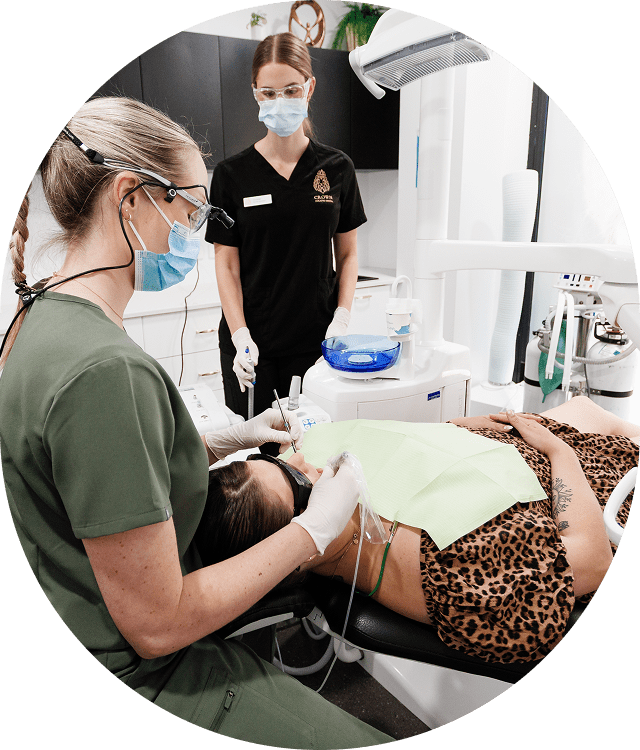
Let’s Talk About Natural Tooth Implant Alternatives
Considering tooth replacement? Ceramic implants are a tooth-coloured option designed to restore function and appearance. Book a consultation at Crown Holistic Dental to discuss whether ceramic implants may be suitable for your needs.
The Ceramic Implant Experience at Our Clinic


Consultation and Planning
We begin with a detailed consultation to assess oral health, preferences, and goals. Scans and X-rays help evaluate bone quality and suitability for ceramic tooth implants. Patients receive a personalised plan with clear explanations of treatment options, expected timeframes, and important factors for long-term dental health.

Placement
When ready, the implant is placed into the jawbone using precise, guided techniques. This procedure is planned to minimise impact on surrounding tissues. For some patients, zirconia implants are considered an alternative material. Our team provides information about care and recovery, so patients feel supported throughout their treatment journey.

Healing and Integration
During healing, the implant fuses with the jawbone through a natural process called osseointegration. Recovery timelines vary depending on health and oral condition. Zirconia implants may be chosen for their ceramic composition. Regular follow-up visits allow us to monitor progress, answer questions, and provide tailored advice for ongoing comfort and care.

Final Restoration and Ongoing Care
After integration, a crown is attached to the ceramic dental implant, matched to surrounding teeth for function and appearance. We provide guidance on hygiene, maintenance, and review appointments. Long-term success depends on regular check-ups, good oral health habits, and professional support to protect the implant and maintain patient confidence.





Frequently Asked Questions
How are ceramic implants different from titanium implants?
Ceramic and titanium implants both restore missing teeth, but they differ in material, appearance, and how they interact with the body. These differences may influence patient preferences depending on individual health concerns, aesthetic goals, or sensitivities.
| Feature | Ceramic Implants | Titanium Implants |
| Material Composition | Made from zirconia, a ceramic material used in dental care | Made from titanium, a durable medical-grade metal |
| Aesthetic Appearance | Tooth-coloured, designed to blend with natural teeth | Metallic grey colour, may be faintly visible near gums in some cases |
| Metal Content | Non-metallic material, considered by some patients | Contains metal, may not be suitable for patients with sensitivities |
| Electrical Conductivity | Non-conductive, may be chosen by patients seeking low reactivity | Conductive, standard for metal-based materials |
| Allergic Considerations | May be considered by patients with known metal sensitivities | Generally well-tolerated, rare cases of hypersensitivity have been reported |
| Clinical History | Increasingly used in modern dental practice, with long-term comparative data still emerging | Over 40 years of clinical use, supported by extensive research |
| Bone Integration | Bonds through osseointegration, with surface characteristics that differ from titanium | Bonds strongly with bone, widely documented in dental literature |
Ceramic and titanium implants can both be effective when selected and placed appropriately. Your dental practitioner will assess your oral health, lifestyle, and preferences to determine which option may be most suitable for your care.
Are ceramic implants considered safe for the body?
Ceramic implants may be considered suitable when assessed and placed by a qualified dentist. They are made from zirconia, a ceramic material used in dental care. These implants are designed to integrate with bone and gums, but outcomes vary depending on patient health and clinical factors.
Because they are made from ceramic rather than metal, some patients explore this option if they prefer non-metal materials or have known sensitivities. Zirconia does not conduct heat or electricity, which may appeal to patients seeking lower reactivity in dental materials.
Every procedure carries risks, which is why a personalised assessment is essential before proceeding. Your dentist will review your medical history, lifestyle, and dental needs to determine whether ceramic implants are the most appropriate option for your situation.
How long do ceramic dental implants typically last?
Ceramic dental implants are planned to provide long-term function and support when placed under appropriate conditions and maintained with consistent care. They are a newer alternative to titanium implants. Studies and clinical experience suggest they may remain stable for many years. Their durability depends on factors such as overall health, bone quality, and oral hygiene. Habits like teeth grinding or excessive bite pressure can also affect outcomes.
The long-term performance of ceramic implants also depends on regular dental reviews and early detection of any issues. Patients who maintain good oral hygiene, attend scheduled check-ups, and avoid habits such as smoking often achieve more favourable outcomes. Long-term data on ceramic implants is still developing. Current evidence supports their use as an option for patients seeking a non-metallic alternative to tooth replacement.
Do ceramic dental implants stain or discolour over time?
Ceramic dental implants are constructed from zirconia, a material used in dentistry for its durability and resistance to surface discolouration. Its smooth, non-porous surface may help reduce staining compared to natural teeth. Unlike enamel, zirconia is less likely to absorb pigments from coffee, tea, red wine, or tobacco. This can make it an option for patients who value colour stability, though results vary.
Although the implant itself is resistant to staining, the surrounding gum tissue and any attached restorations still require regular professional cleaning. Maintaining these areas supports the appearance of a natural and balanced smile over time.
What are the potential drawbacks of ceramic dental implants?
Ceramic dental implants offer several advantages, but they also have limitations that should be considered when deciding if they are appropriate. Below are some common considerations explained in more detail to help patients make an informed choice.
- Can Be More Brittle Than Titanium
Ceramic materials are rigid, which makes them strong but also more brittle under extreme pressure or impact. In rare cases, ceramic implants may fracture more easily in patients with a strong bite force or habits such as grinding. - Fewer Component Options
Titanium implant systems have been in use for decades, offering a wide range of sizes and configurations for complex cases. Ceramic systems currently have fewer design variations, which may limit their application in multi-unit restorations or anatomically challenging situations. - Technique-Sensitive Placement
Placing ceramic implants requires precision, and the procedure is often more technique-sensitive than titanium placement. Not all dental professionals are trained or experienced in using ceramic systems, which may limit access to this treatment in some locations. - Limited Long-Term Research
Although clinical evidence supporting ceramic implants is increasing, long-term comparative data are still developing. This means there is less information currently available on outcomes extending beyond ten years, especially in large-scale studies. - Material and Laboratory Costs
Ceramic implants may involve higher material and production costs due to the properties of zirconia and the complexity of manufacturing. These costs can sometimes be reflected in the overall treatment fee, especially when custom components are required.
Ceramic implants are not ideal for every patient or clinical scenario. A dental professional will assess your oral health and treatment goals, considering anatomy and other factors when selecting implant materials.
Can you get ceramic dental implants if you have metal sensitivities?
Yes, ceramic dental implants may be considered for patients with known metal sensitivities or those who prefer to avoid metal-based materials. These implants are made from zirconia, a ceramic material used in dentistry that does not contain metal. Some patients with sensitivities may explore this option, but suitability depends on clinical assessment.
Before any implant treatment, a comprehensive consultation will be carried out. This helps match the chosen materials to your health history, oral condition, and treatment goals, ensuring decisions are based on individual circumstances.
How do ceramic implants compare in strength to titanium implants?
Ceramic and titanium implants can support replacement teeth, but they differ in flexibility, fracture resistance, and how they perform under pressure. These differences may affect their suitability depending on the location of the missing tooth and individual clinical needs.
| Feature | Ceramic Implants | Titanium Implants |
| Material Type | Made from zirconia, a rigid non-metallic ceramic | Made from titanium, a strong medical-grade metal |
| Flexibility | Less flexible and more rigid under load; may transmit more force to the surrounding bone | More flexible under pressure; helps distribute bite force |
| Fracture Resistance | Can be more brittle than titanium; may be less tolerant of sudden impact or high stress | Generally lower risk of fracture due to material flexibility; tolerates higher bite forces in many cases |
| Long-Term Use | Suitable in planned cases prioritising appearance or material preference; evidence is still developing | Long history of successful use in dentistry; supported by extensive long-term data |
| Placement Considerations | May need careful planning in areas like molars; often used in low to moderate bite zones | Often selected in high-stress regions such as molars, where material flexibility is beneficial |
Do ceramic implants require different care or maintenance?
Ceramic dental implants follow a similar care routine to other types of implants. While they do not require special or unique tools, consistent oral hygiene and professional support are essential to maintain their long-term health.
- Daily Cleaning
Brush your teeth twice daily using a soft-bristle toothbrush. If you prefer fluoride-free toothpaste, discuss this preference with your dental practitioner to determine if it is appropriate for you. Floss once a day to clean between the implant and adjacent teeth and prevent plaque buildup. - Professional Maintenance
Routine dental check-ups allow your provider to monitor the health of the implant and surrounding tissues. Professional cleanings help reduce the risk of inflammation, which can compromise implant health over time. - Avoiding Excessive Force
Avoid habits that place unnecessary stress on the implant, such as teeth grinding or using your teeth to open packaging. If grinding is present, a custom night guard may be recommended to protect the implant and natural teeth. - Healthy Lifestyle Practices
Avoiding smoking and managing systemic health conditions—like diabetes—can support healing and improve long-term outcomes. Maintaining good overall health plays a key role in implant success.
Although ceramic implants don’t require special maintenance tools, maintaining a clean and healthy oral environment is essential for their function and longevity.
Are ceramic implants a good option for front teeth?
Ceramic implants may be considered for front teeth due to their tooth-like colour and how they can blend with surrounding gum tissue. This can make them an option for patients who value appearance in visible areas of the mouth.
- Aesthetic Benefits
Ceramic implants are tooth-coloured, which allows them to blend with natural teeth. This may be particularly relevant for upper front teeth, which are highly visible when smiling or speaking. - Gum Tissue Response
Zirconia is a ceramic material sometimes chosen for its smooth surface, which may support gum health and reduce visible dark lines at the gumline. Outcomes vary depending on the patient’s oral health. - Material Stability
Because ceramic resists staining and corrosion, it may help maintain appearance in areas frequently exposed to view. Long-term outcomes depend on oral hygiene and overall dental health. - Clinical Considerations
Front-tooth implantation requires adequate bone support and careful positioning for aesthetic results. In cases of significant bone loss or gum recession, alternative materials or techniques may be more suitable.
With careful planning, ceramic implants can be considered for front teeth, although appearance and gum response will vary between patients.
What happens if a ceramic implant fails?
While ceramic implants are planned to support long-term function, failure can occasionally occur. If this happens, your dental team will follow a step-by-step process to manage the situation and plan future care.
- Identify the Cause:
Implant failure may result from infection, bone loss, excessive bite force, or systemic health issues such as diabetes. Identifying the underlying cause is key to planning the most appropriate next steps. - Recognise the Signs:
Symptoms of implant problems may include discomfort, implant mobility, gum inflammation, or visible changes around the area. If you observe any of these signs, please seek a professional assessment promptly. - Perform Clinical Assessment:
Your dentist will conduct a detailed evaluation using clinical examination and imaging to assess the implant and surrounding tissues. This determines whether the implant can be salvaged or needs to be removed. - Remove the Implant (When Necessary):
If the implant cannot be retained, it may be removed carefully to preserve surrounding bone and tissue. The goal is to minimise disruption and maintain future treatment options. - Allow for Site Healing:
The area is allowed to heal over time, often several weeks to months. In some cases, bone grafting may be advised to restore the site and prepare it for further restoration. - Consider Future Options:
Once healing is complete, treatment options may include placing a new implant or considering alternatives such as bridges or dentures. Your dentist will help determine the most suitable approach for your situation.
Prompt attention and ongoing care can reduce the impact of implant failure and support future treatment planning, though outcomes vary by patient.
What is the healing process like after ceramic implant placement?
Healing after ceramic implant placement occurs in stages. It is influenced by general health, bone quality, and adherence to aftercare. Supportive recovery may help improve comfort and integration, though outcomes vary between patients.
- Initial Recovery (First 48–72 Hours)
It’s normal to experience mild swelling, discomfort, or bruising near the surgical area. These symptoms are usually temporary and manageable with rest, soft foods, and prescribed care. - Soft Tissue Healing (First 1–2 Weeks)
During this stage, the gum tissue around the implant begins to heal. Patients are encouraged to avoid disturbing the area and to eat soft, non-irritating foods to support recovery. - Bone Integration (3–6 Months)
The implant bonds with the jawbone through a biological process called osseointegration. This process provides a foundation for the next phase of treatment. - Follow-Up Visits
Regular appointments help track healing progress and allow your dentist to make any necessary adjustments. These visits support the healing process and ensure readiness for the final stage of treatment. - Final Restoration Phase
Once healing is complete, a custom crown, bridge, or denture is placed on the implant. This stage is planned to restore appearance and function, though results vary depending on each patient’s oral health and circumstances.
Recovery times differ from person to person. Your dentist will guide you through each phase and provide aftercare advice tailored to your situation.
How does Crown Holistic Dental assess if ceramic implants are right for you?
At Crown Holistic Dental, we use a step-by-step assessment process to determine whether ceramic implants may be appropriate for your individual circumstances. This process considers your dental history, current oral health, and personal treatment goals.
- Medical and Dental History Review:
We review your medical background, allergies, and previous dental work to help identify suitable treatment materials. - Oral Examination and Imaging:
Our team conducts a thorough examination and takes X-rays to assess bone levels, gum health, and implant suitability. - Bite and Functional Assessment:
We evaluate your bite, jaw movement, and habits, such as grinding, to guide planning and support treatment decisions. - Broader Considerations:
Where relevant, we may discuss lifestyle factors that could influence treatment planning and recovery. - Discussion of Goals and Expectations:
You’ll have a one-on-one conversation about your preferences and expectations, allowing us to tailor your treatment recommendations.
This structured process helps us assess whether ceramic implants may be a suitable treatment option, noting that outcomes vary between patients.


 Holistic Dentistry
 Children’s Dentistry
 Mouthguards
 Dentures
 Dental Implants
 Cosmetic Dentistry
 General Dentistry
 Emergency Dentistry
 Sedation & Sleep Dentistry
 Afterpay
 Fund My Dental