


Sedation Dentistry in Joondalup for Anxiety Management

Considering sedation dentistry in Joondalup? Our dentists provide consultations to discuss suitability, answer questions, and support patients who experience dental anxiety or require complex or extended procedures.

Comprehensive Care for Every Stage of Your Dental Appointment

Dental anxiety can make it difficult to attend appointments, sometimes leading patients to delay or avoid important treatment. This can affect oral health and make managing ongoing care more challenging.

At our clinic, sleep dentistry in Joondalup may be discussed during a consultation. Your dentist will review your health history and explain available options, helping determine whether sedation is appropriate to support dental care for nervous patients under professional supervision.

Why Choose Crown Holistic Dental for Sedation Dentistry

We believe dental care should never be held back by fear or anxiety. Here’s why patients rely on us for calming sedation options tailored to their comfort and needs.

Tailored Sedation Options

Every patient responds differently to treatment. We consider medical history, needs, and preferences before recommending sedation options. Plans are individualised and provided under clinical supervision, with the goal of supporting patient participation in care. Alternatives are always explained, and treatment proceeds only with informed consent.

We explain sedation steps clearly and answer questions before and during treatment. A qualified team member monitors patients continuously and with clinical oversight. This structured approach helps patients stay informed while receiving care under professional supervision.

Sedation is performed under established protocols with appropriate monitoring equipment and professional oversight. We outline possible risks as well as benefits, so patients understand what to expect.

For some patients, sedation may be used to help manage dental treatments. It is used only when clinically appropriate and forms part of a broader treatment plan that prioritises oral health. Patients are supported through ongoing follow-ups and encouraged to attend regular check-ups as part of long-term care.

Situations Where Sedation May Be Considered

An IV sedation dentist in Joondalup may discuss whether sedation is appropriate during certain dental procedures. Suitability depends on your health history, treatment needs, and a thorough professional assessment.
Severe Toothache or Sudden Dental Pain

Toothache may result from decay, infection, or injury. Dentists assess underlying causes, and sedation can sometimes assist during treatment procedures.

Chipped, Cracked, or Broken Tooth

Tooth fractures vary from minor enamel chips to deeper cracks. A dentist reviews severity and may consider sedation during repair.

Knocked-Out (Avulsed) Tooth

An avulsed tooth occurs when trauma forces it from the socket. Immediate care is required, and sedation may accompany reimplantation.

Swelling in the Gums, Face, or Jaw

Swelling may indicate infection, trauma, or abscess. Dental assessment identifies the cause, and sedation could support certain procedures if appropriate.

Lost or Damaged Filling or Crown

A lost filling or crown can leave a tooth vulnerable or sensitive. Dentists assess and may consider sedation during replacement procedures.

Ask Us About Sedation Options

If you’d like to learn more, an IV sedation dentist in Joondalup can discuss whether sedation is suitable for your circumstances. Consultations include reviewing medical history, treatment needs, and professional monitoring requirements.
Take the First Step Toward a Renewed Smile

Explore your cosmetic options in a calming, health-focused setting. Our cosmetic dental clinic in Joondalup blends aesthetics with function to support both your smile and your overall well-being.

The Dental Sedation Process

If you’re considering sedation dentistry in Joondalup, it can be helpful to understand what the process involves. Knowing what to expect may ease uncertainty and support a more confident experience.
1

Consultation and Assessment:

The process begins with a one-on-one consultation. During this time, your dentist will listen to your concerns, review your medical history, and explore whether sedation is suitable. You’ll have the chance to ask questions, with plenty of time to discuss what may help you feel comfortable that is appropriate to your situation.

2

Preparation and Instructions:

If sedation is recommended, your dentist will provide tailored instructions to help you prepare. This might include guidance on eating beforehand, bringing a support person, and what to expect on the day. The goal is to help you feel supported and informed well before your visit begins.

3

Day of Procedure:

On the day, your dental team will review everything again to confirm you’re feeling ready. If sedation is used, it will be administered by a qualified professional, and patients remain conscious and monitored throughout. The effects of sedation vary between individuals. Suitability and response are assessed case by case.

4

Recovery and Aftercare:

Once your dental care is complete, you’ll rest in a recovery space under supervision. A support person will need to take you home, as some grogginess may continue for several hours. You’ll also receive aftercare instructions to help guide you through the rest of the day.


Frequently Asked Questions

Thinking about sedation dentistry in Joondalup? We’ve put together some helpful answers to guide you through your options.

What is sedation dentistry, and how does it work?

Sedation dentistry refers to the use of medicines during certain dental procedures. Unlike general anaesthesia, sedation does not cause complete unconsciousness, and patients remain under professional monitoring at all times.

There are several forms of sedation, each with different characteristics. A dentist will review your health history and treatment needs before recommending whether sedation may be appropriate.

Here’s a closer look at the most common types of sedation and how each one works:

  • Inhalation Sedation
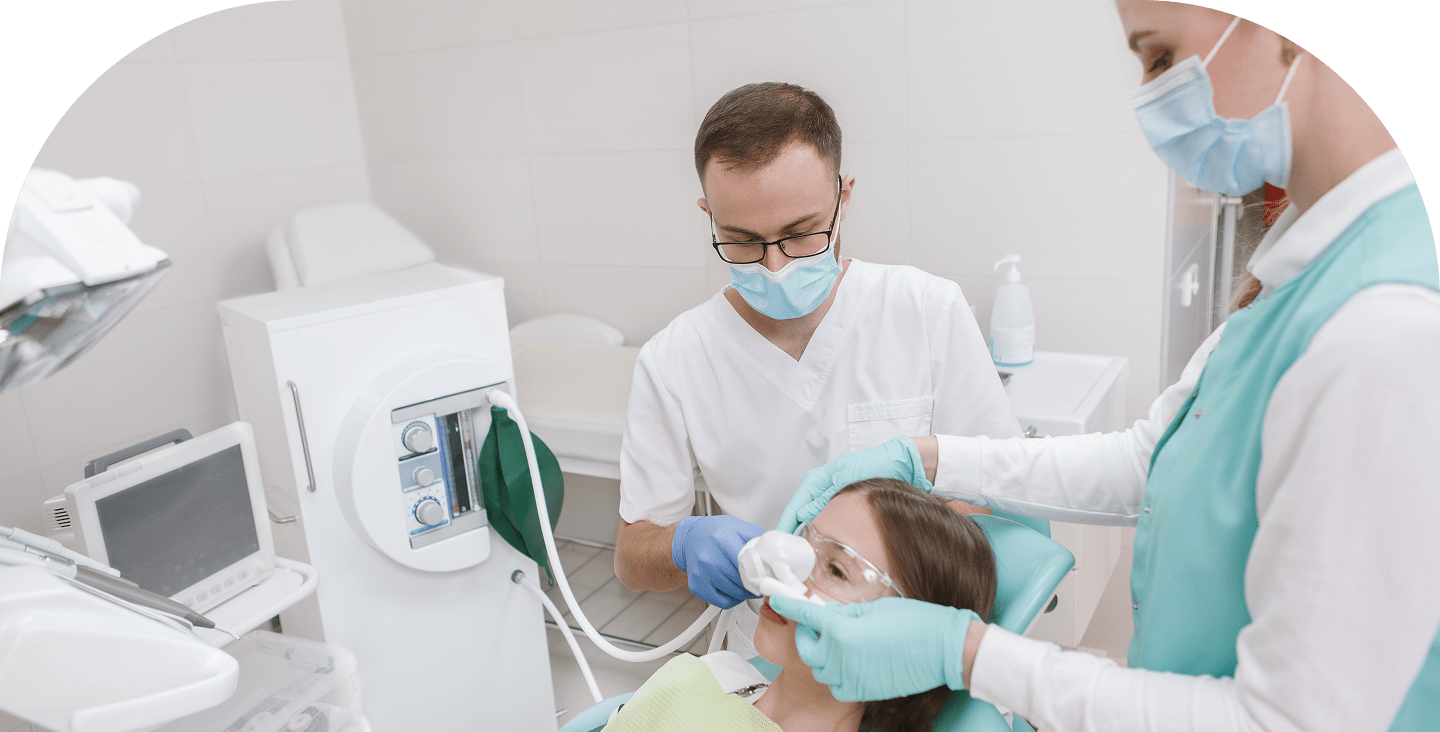
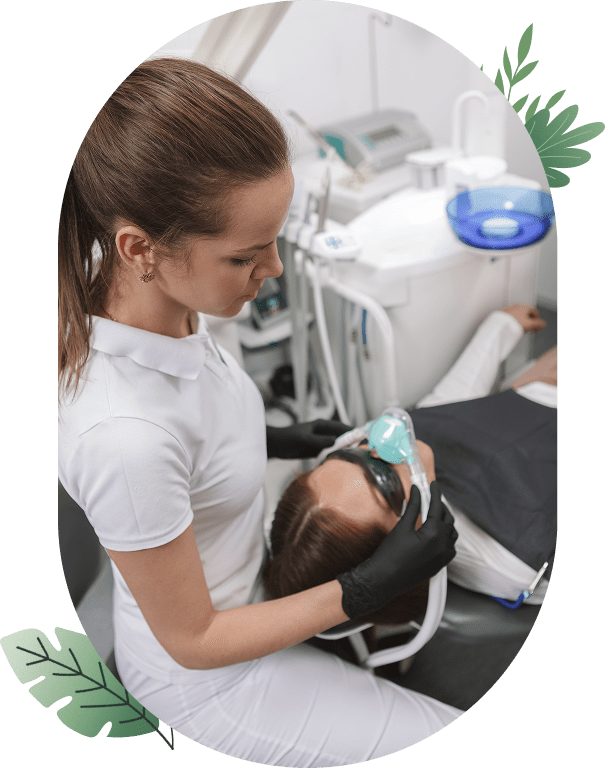
    Inhalation sedation, sometimes informally called ‘happy gas’, involves breathing a controlled mixture of nitrous oxide and oxygen through a small mask. It is typically considered for shorter procedures or patients who may require support to manage dental treatment. The effects wear off quickly once the gas is stopped, and your dentist will monitor you throughout the process.
  • Oral Sedation
    Oral sedation involves taking a prescribed tablet before the appointment. Patients generally remain awake and responsive but may feel drowsy. Because effects can continue for some hours, a support person is required to accompany you home. The dental team will monitor you closely during your visit.
  • IV Sedation (Intravenous Sedation)
    IV sedation is delivered through a small cannula placed in the hand or arm. It usually takes effect quickly and produces a deeper level of sedation than inhalation or oral methods. Patients remain responsive but require supervision until the effects wear off, often several hours later.A qualified anaesthetist or sedationist monitors vital signs such as breathing and heart rate throughout the procedure. Before proceeding, your dentist will discuss your medical history and determine whether IV sedation is clinically suitable for your treatment.

Each form of sedation has different effects and requirements. Your dentist will guide you through these options and advise on suitability for your care.

This clinic provides sleep dentistry in Joondalup through in-house IV sedation, which may be considered for patients following a professional consultation. It can be discussed for those with certain clinical needs, such as a strong gag reflex or longer procedures.

IV sedation at the clinic is provided by Dr. Richard Kozlowski, who attends specifically to deliver and monitor this service. Dr. Kozlowski is a member of The Australian Society of Dental Anaesthesiology and also sits on a State Anaesthesiology advisory body.

All sedation procedures are conducted under professional supervision, with your medical history and treatment requirements carefully reviewed before proceeding.

Oral and IV sedation are two different approaches that may be considered in dental treatment. They are administered differently and have varying effects, which are assessed during a professional consultation.

Oral SedationIV Sedation
Taken as a prescribed tablet, usually about an hour before your appointment.Delivered through a small needle in your arm or hand.
Takes longer to take effect — usually 30 to 60 minutes.Takes effect more quickly, often within a few minutes.
Produces mild to moderate sedation.Produces a deeper level of sedation compared with oral methods.
Patients remain awake and responsive, though they may feel drowsy.Patients remain responsive but typically become very drowsy.
Some patients may remember parts of the appointment.Patients often have limited memory of the procedure.

Both approaches are only considered following a review of your medical history and treatment needs. Your dentist will explain each option and advise whether sedation is appropriate for your circumstances.

During IV sedation, patients remain conscious and responsive but may become very drowsy. The medication is delivered through a small cannula and usually takes effect quickly.

This type of sedation is sometimes called “conscious sedation” because patients can still respond to voice and gentle prompts. Effects vary between individuals, and some people may have limited memory of the procedure.

A qualified anaesthetist or sedationist is present throughout the appointment, monitoring breathing, heart rate, and overall condition as part of professional care.

Oral sedation does not numb pain on its own. It is used in combination with local anaesthesia, which reduces sensation in specific areas of the mouth.

Patients remain awake and responsive but may feel drowsy. Individual experiences can vary, and some people may be more aware of pressure or movement than others.

During your visit, the dental team will monitor you and make adjustments as needed. Discussing your medical history and any concerns beforehand allows the dentist to plan care appropriately.

Dental anxiety may prevent some people from seeking or completing dental treatment. In certain cases, sedation can be considered as part of nervous patients’ dental care after professional consultation.

IV sedation is given through a cannula while patients remain conscious. Individual experiences differ; some may become drowsy or less aware of their surroundings, while others respond differently.

Sedation may be discussed when clinical needs arise, such as a pronounced gag reflex, difficulty staying still, or procedures expected to take longer. Suitability is always based on a review of medical history and treatment requirements.

Your dentist will talk with you in advance, explain available options, and determine whether sedation is appropriate for your circumstances.

Sedation dentistry isn’t a one-size-fits-all approach, and it may not be suitable for everyone. Your medical history, current medications, and overall health are factors that your dentist and anaesthesiologist will carefully review before proceeding.

Certain health conditions, like sleep apnoea, heart problems, or breathing issues, may affect sedation suitability or require additional monitoring. This is why a detailed health assessment is conducted before any sedation is recommended.

If sedation is being considered, you’ll have the chance to ask questions and discuss what’s involved. The aim is to determine whether sedation is clinically appropriate while prioritising patient safety.

The effects of IV sedation can vary based on the medication, your body’s response, and the length of the appointment. Generally, the sedative effect can last for a few hours after the visit.

Some patients may feel drowsy and experience reduced memory of the procedure. Effects vary between individuals.

You might feel alert afterwards, but your reflexes, coordination, and concentration can still be affected for the rest of the day. For this reason, it’s important to have someone with you and avoid driving, operating machinery, or making big decisions until the following day.

Your dental team will explain what to expect during recovery and provide guidance on how to care for yourself after the appointment.

If you’re unsure about sedation visits, you’re not alone — many people feel more comfortable knowing what to expect beforehand. Here’s a step-by-step overview to help you feel more comfortable and prepared on the day:

  1. Before your appointment
    You’ll discuss your medical history with your dentist to understand how sedation works. You’ll also receive clear instructions, including any fasting instructions and the need for a support person to accompany you to and from the appointment.
  2. Arriving at the clinic
    You’ll need to bring a support person who can take you home afterwards. Once you arrive, the team will help you settle in and go over what’s ahead.
  3. Starting the sedation
    For IV sedation, a thin tube (called a cannula) is placed in your arm or hand. The medicine generally takes effect within minutes, and patients usually become drowsy while remaining conscious and able to respond.
  4. During the appointment
    While your dental treatment is underway, patients often become less aware of their surroundings. Responses vary, and some individuals may remember little of the procedure. Throughout the visit, your heart rate, breathing, and other vital signs are continuously monitored by a qualified anaesthesiologist.
  5. After the procedure
    After your dental procedure is complete, you’ll rest briefly in the clinic’s recovery area under supervision. It’s normal to feel sleepy or groggy during this time.
  6. Heading home
    Your support person will drive you home, and you’ll be encouraged to rest for the remainder of the day. Your dental team will provide aftercare instructions, including what to eat, drink, and avoid.

Sedation dentistry is designed to support patients who may experience dental anxiety. Care is delivered with professional supervision and clear instructions at every stage.

In some circumstances, sedation may be considered for children as part of their dental care. Suitability depends on factors such as age, medical history, the type of dental procedure, and the child’s individual needs. A thorough assessment is required before sedation is recommended.

Nitrous oxide (sometimes informally called “happy gas”) is the most common form used with children. It is administered through a small mask and wears off quickly once stopped. Sedation for children is always carried out under the supervision of qualified professionals with experience in paediatric dental care.

Sedation may be considered for some patients during wisdom tooth removal, particularly if the procedure is complex or expected to take longer. Decisions about whether sedation is appropriate are made following a clinical assessment.

Wisdom teeth can sometimes be impacted or positioned in ways that make removal more involved. In such situations, sedation might be discussed as part of the treatment plan, depending on the patient’s health history and the professional judgment of the treating team.

Your dental practitioner will review your needs and explain whether sedation is suitable for your circumstances before any procedure.

Preparing for a sedation visit involves a few important steps to support planning and safety.

Here’s what you can generally expect to do before your appointment:

  • Follow fasting instructions
    You may be asked not to eat or drink for a set time before your visit. This varies by sedation type and will be explained in advance.
  • Wear something comfortable
    Loose, comfortable clothing is recommended. It allows easy access to your arm or hand if IV sedation is used.
  • Arrange transport
    A responsible adult will need to drive you to and from the appointment.They should also stay with you afterwards, as you won’t be able to drive or make important decisions that day.
  • Share your medical history and medications
    Inform your dental team about any medical conditions or medications you are taking, including supplements, as these may impact sedation planning.
  • Ask any questions beforehand
    If you’re unsure about any part of the process, raise your questions before the day of treatment so your dentist can address them.

Your dentist or anaesthesiologist will provide instructions tailored to your health and the type of sedation being used.

Yes, you’ll need a responsible adult to accompany you after a sedation appointment. Even if you feel alert after leaving, sedation effects can linger for hours and impact memory, coordination, and decision-making.

It’s important to have a support person to drive you to and from the clinic and accompany you for the remainder of the day. It’s helpful to have someone nearby while you rest to assist with meals, check in, or keep you company.

Planning this is an important part of your visit. Your dental team will remind you of what’s needed when confirming your appointment.

Many patients need to rest for the remainder of the day after sedation. While you may feel alert after your appointment, the effects can continue for several hours and may impact reflexes, coordination, or concentration.

Patients are usually advised to avoid driving, operating machinery, making important decisions, or consuming alcohol until the following day. This guidance is precautionary and helps reduce risks associated with lingering effects of sedation.

By the next day, most people are able to resume regular activities, though recovery can vary depending on individual response and the length of the procedure. Your dental team will check your condition before you leave and explain what to expect during recovery.

If you’re considering sleep dentistry in Joondalup, you may want to understand what the process involves. At Crown Holistic Dental, sedation is carried out under professional supervision with clear steps explained before, during, and after treatment.

Here’s how support is provided throughout the process:

  • In-house IV sedation
    Our in-house sedation dentist attends the clinic in person to administer and monitor the IV sedation. Everything happens in a familiar setting, without the need to travel elsewhere.
  • Personalised pre-visit consultation
    Before your appointment, your dentist will review your medical history, explain the process, and address any questions you may have.
  • Ongoing monitoring throughout your visit
    While you’re under sedation, your breathing, heart rate, and other vital signs are observed by a qualified professional as part of routine care.
  • Awareness during the procedure
    Sedation generally makes patients drowsy and less aware of their surroundings, and memory of the visit may be limited. Experiences vary between individuals.
  • Support during recovery
    After treatment, sedation effects gradually wear off. Patients are advised to rest at home with a support person for the remainder of the day.

Your dentist will explain the available sedation options, review your medical history, and help determine whether sedation is appropriate for your treatment.

Book A Consultation to Discuss Your Oral Health Needs

Ready to explore holistic dental care? Book a personalised consultation with a holistic dentist in Joondalup and start prioritising your oral health, personal comfort, and long-term well-being. 

Any surgical or invasive procedure carries risks. Before proceeding, you should seek a second opinion from an appropriately qualified health practitioner. Results, risks, complications, and recovery time vary significantly between individuals.