

Nurturing Smiles Through Children’s Dentistry in Joondalup

Crown Holistic Dental provides families with preventive care focused on oral health education and early intervention. Our children’s dentistry in Joondalup offers preventive services, practical guidance, and support for oral health throughout childhood.

Why Your Child’s First Dental Visit is Important

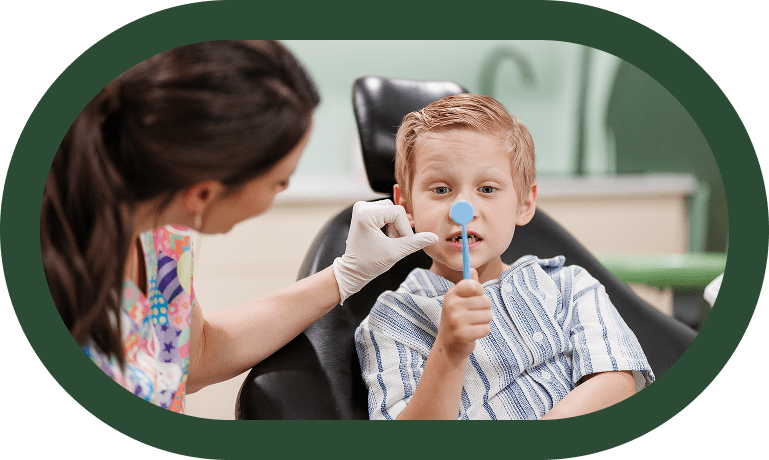
Your child’s first visit is an opportunity to introduce healthy habits, support early detection of issues, and provide age-appropriate guidance about dental care. A welcoming, supportive experience can help reduce anxiety and encourage a positive attitude towards oral care.

Crown Holistic Dental, children’s dentistry in Joondalup, provides preventive care and practical guidance from the first visit, supporting children’s oral health as they grow. This approach helps parents feel confident about their child’s ongoing oral health journey.

Our Approach to Paediatric Dental Care

We believe every child’s dental visit should feel supportive and reassuring. Here’s how we provide care that helps children establish healthy oral health habits from an early age.

Fluoride-free options available

For families who prefer them, we can discuss fluoride-free alternatives alongside standard care options. These are offered as part of a personalised approach to children’s dentistry, respecting individual family preferences.

BPA-Free and Carefully Selected Materials

We use BPA-free composites and other widely used dental materials. These are chosen with compatibility and comfort in mind, reflecting common practice in children’s dental care.

Education, Prevention and Comfort

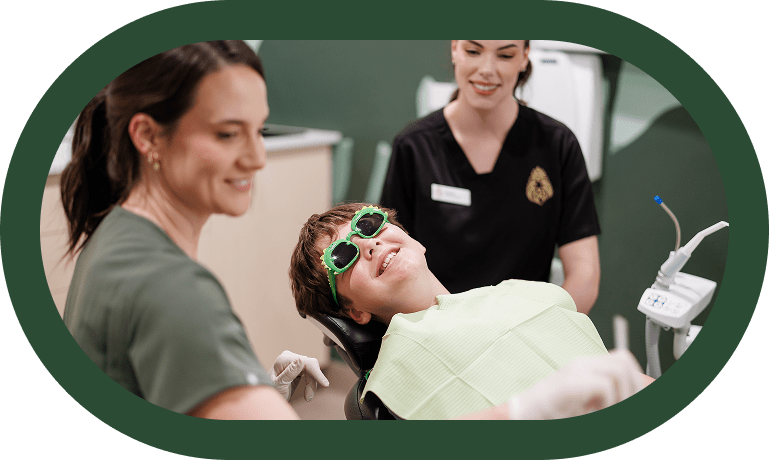
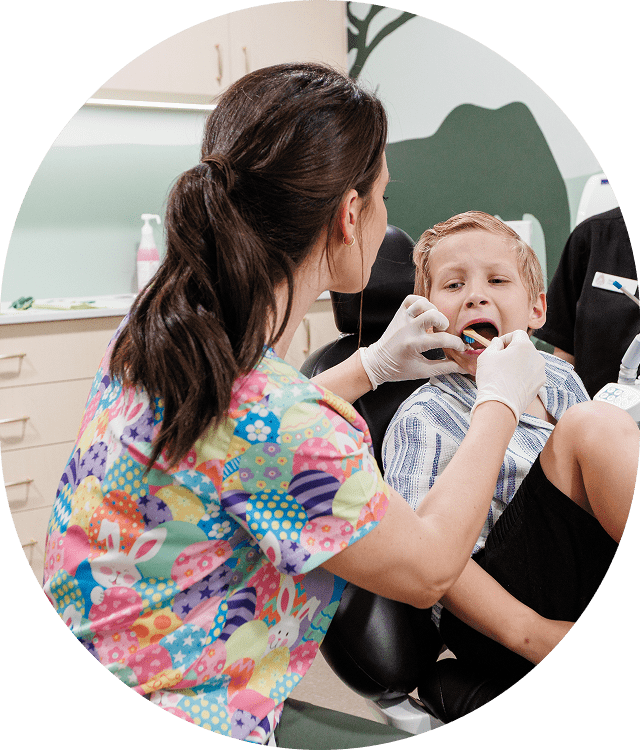
Our team explains care in child-friendly terms and encourages healthy habits. By fostering trust and creating a calm environment, we aim to help children feel comfortable and supported while receiving preventive and restorative dental care.

Working Together with Families

We involve parents in treatment planning and decision-making. By tailoring each visit to a child’s needs, we provide care that is aligned with family preferences for dental health and comfort.


Get to Know Kaitlyn Russel, Oral Health Therapist

Providing care for children and families in a supportive environment

Kaitlyn Russell, Oral Health Therapist, has over 10 years of experience providing oral health care for children and adults. She provides oral health therapy with a focus on preventive care and patient education, supporting children who may feel anxious about dental visits. She also provides care across all age groups, supporting patients with preventive and restorative oral health needs.

Credentials and Affiliations

A Look at Our Children’s
Dental Services

Our child dental care in Joondalup includes preventive, restorative, and supportive treatments tailored to children’s oral health needs. We provide education and support for children’s oral health at all stages of development.
First Dental Visit

A first dental visit for children introduces healthy routines, supports oral health awareness, and builds understanding of preventive dental care.

Learn More
Tongue-Tie Assessments

An oral health practitioner assesses tongue mobility and may provide guidance or referrals regarding feeding, speech, or oral development.

Learn More
Myofunctional Therapy

Our child's dental care in Joondalup includes myofunctional therapy, which aims to assist oral muscle patterns related to breathing and swallowing.

Learn More
CDBS Bulk Billing

We welcome eligible families under the Child Dental Benefits Schedule, offering bulk-billed kids' dental check-ups and treatments with no out-of-pocket costs for covered services.

Learn More

We Work With Families to Build Healthy Habits

At Crown Holistic Dental, our children’s dentistry in Joondalup works with families by providing tips, resources, and reminders for kids’ dental check-ups to support regular oral care at home.

By supporting routines early, we assist children in developing positive oral health habits. From nutrition guidance to child dental care, we focus on preventive education and practical advice to maintain oral health as children grow.

Here’s What to Expect at Your Child’s Dental Visit

Each kid’s dental check-up is age-appropriate and informative, with a focus on preventive care, oral health education, and early detection to support children’s ongoing oral health development.
1

Warm welcome and introduction

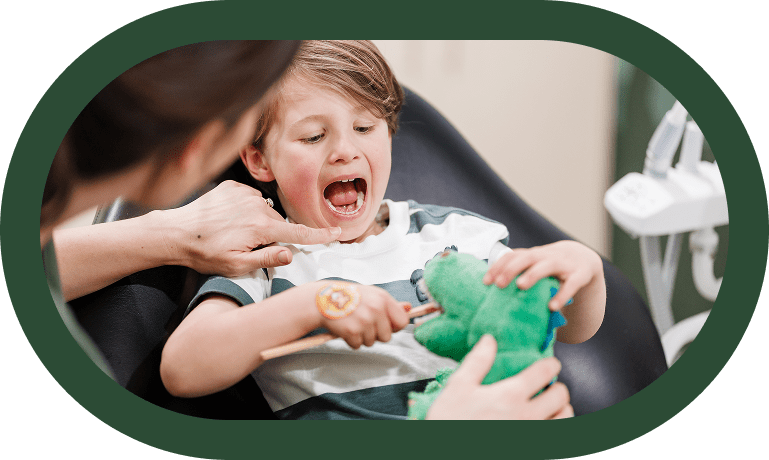
During a kids’ dental check-up, children are introduced to the clinic environment using child-friendly terms. Each stage of the visit is explained clearly. This helps families understand the importance of establishing early oral care routines. It also encourages children to become familiar with preventive dental practices over time.

2

Comprehensive examination

We assess teeth, gums, and bite alignment to identify early concerns. Parents receive preventive guidance on brushing, diet, and maintaining oral health. Our child dental care in Joondalup provides preventive services and tailored advice designed to support children’s oral health needs and encourage effective home care routines.

3

Education and encouragement

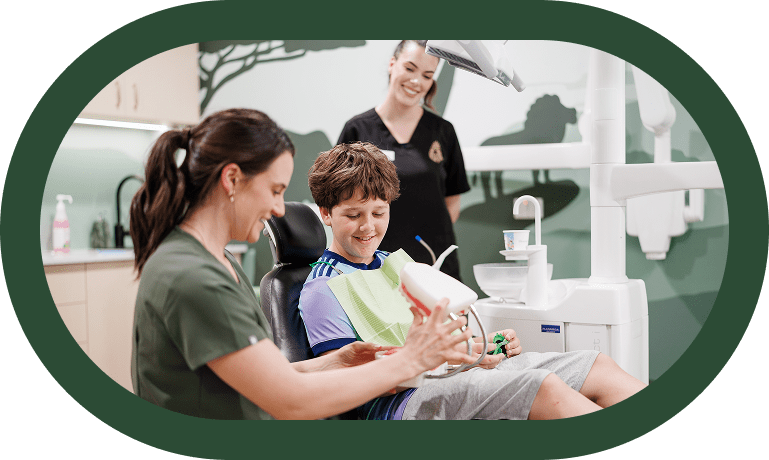
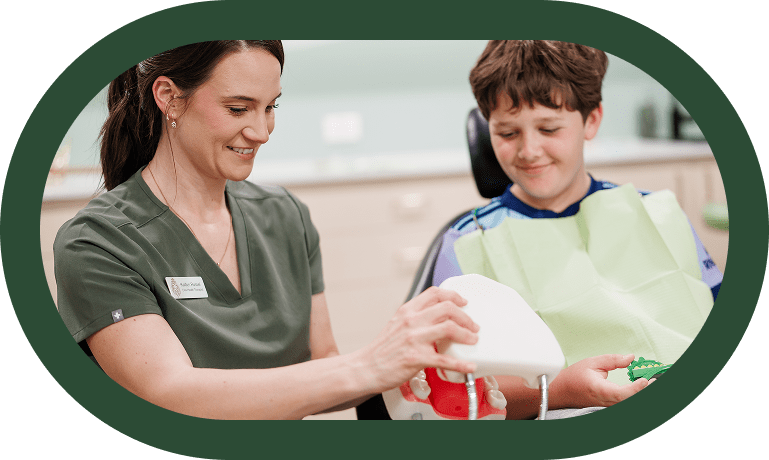
Using interactive demonstrations and age-appropriate tools, we teach children proper brushing and flossing techniques. Each visit reinforces these skills and provides practical guidance to support the development of consistent oral health routines over time. Families are also encouraged to maintain effective home care practices between appointments.


Making Children’s Dentistry More Affordable for Families

We believe dental care should be accessible to all families. Our children’s dentistry in Joondalup offers flexible payment options and bulk-billing to support families in accessing essential dental treatments.

A Space Designed for Children

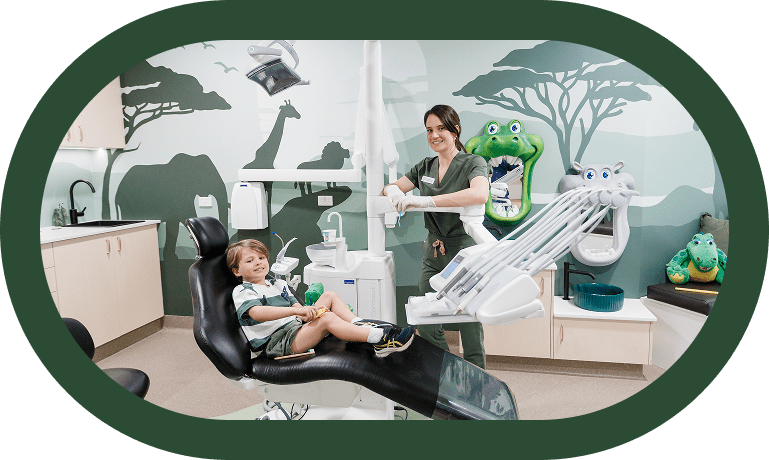
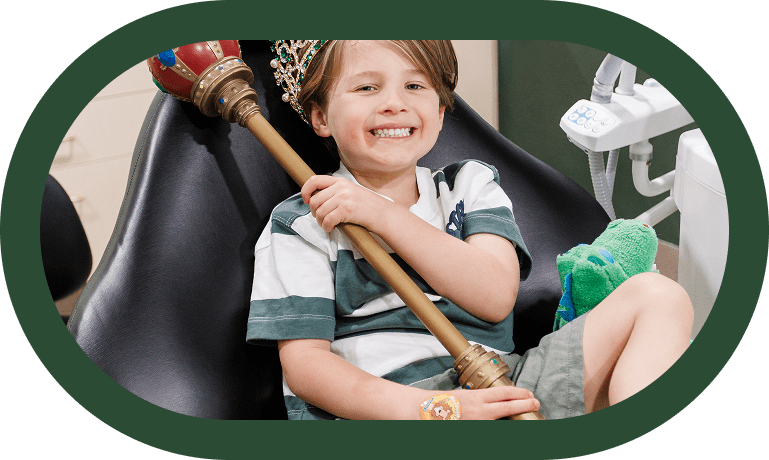
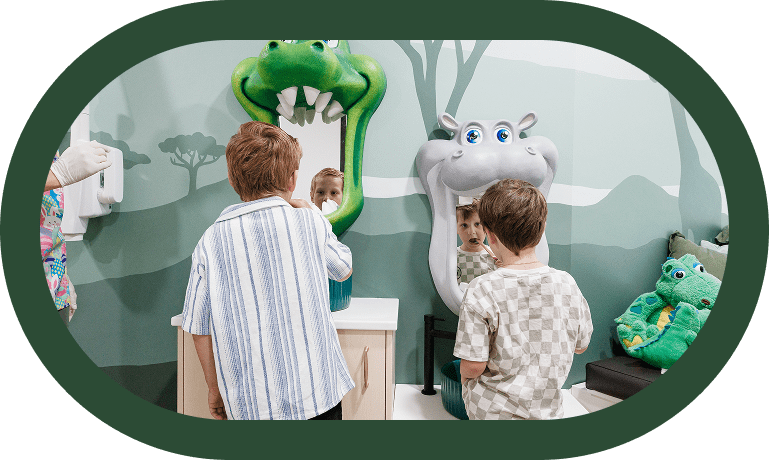
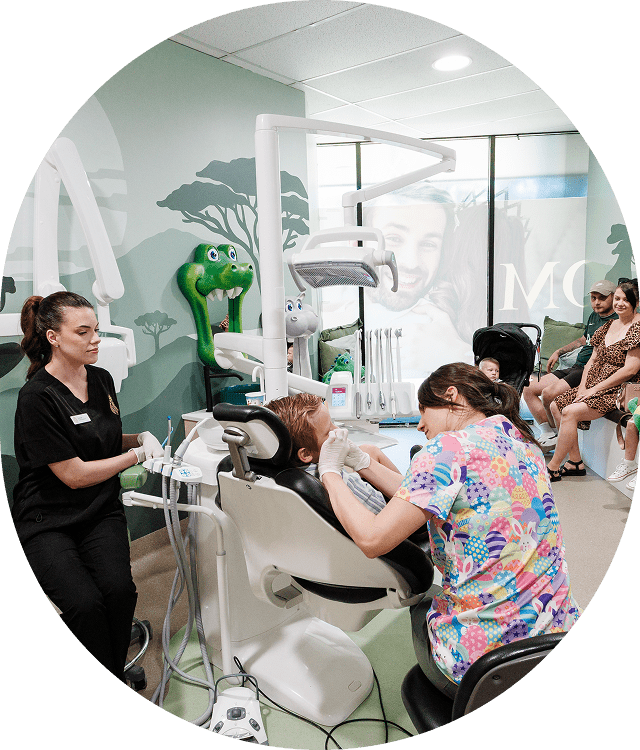
Our clinic is thoughtfully designed for young patients. It features a warm, welcoming environment with child-friendly décor, comfortable seating, and engaging activities to help children feel at ease during visits.

Frequently Asked Questions

These frequently asked questions provide clear, practical information to help parents understand and support their child’s dental development and care.

What dental services are available for children in Australia?

Children in Australia can access a wide range of dental services through private clinics, community health programs, and government-supported schemes. These aim to prevent oral problems, promote early development, and provide necessary treatment when concerns arise.

Common dental services available for children in Australia include the following:

  • Routine check-ups and oral health assessments:
    These visits allow dentists to monitor tooth development, assess oral hygiene, and identify potential concerns early. For many families, the first dental visit for children is a key milestone that builds trust and encourages healthy dental habits from the start. Establishing regular check-ups promotes long-term oral development.
  • Professional cleaning and fluoride application (where appropriate):
    A scale and clean removes plaque and tartar buildup. Fluoride may also be used to strengthen enamel in children at higher risk of decay. Recommendations are made based on each child’s clinical needs.
  • Dental X-rays for diagnostic insight:
    X-rays help assess hidden decay, monitor developing teeth, and evaluate jaw alignment. They are particularly useful during early growth stages when changes can occur rapidly.
  • Preventive treatments such as fissure sealants:
    Sealants are protective coatings applied to back teeth to help prevent food and bacteria from causing decay. This simple, noninvasive treatment is often recommended for school-aged children.
  • Fillings for cavities:
    When tooth decay is present, minimally invasive restorations using tooth-coloured biocompatible materials can restore both function and aesthetics.
  • Tooth extractions, if necessary:
    If a baby tooth is infected, impacted, or interfering with development, removal may be required. Dentists take steps to make the procedure as safe and comfortable as possible for the child.
  • Pulp therapy and root canal treatment (where indicated):
    If the nerve inside a tooth becomes inflamed or infected, pulp therapy may be used to preserve the tooth. This condition is more common in molars that are not yet ready to fall out.
  • Early orthodontic assessments and referrals:
    Dentists can identify early signs of bite or jaw issues and recommend timely intervention. These may include support for oral habits and assessment of airway development. In some cases, your child may be referred to a dentist with additional training in facial growth and development.
  • Emergency dental care:
    Trauma, severe pain, or infection requires prompt attention. Children may receive emergency treatment through private or public clinics.
  • Partial dentures (in select cases):
    If adult teeth are missing due to injury or congenital reasons, a custom-made partial denture can help maintain function, appearance, and speech.

Routine dental care is not covered under standard Medicare. However, many children may be eligible for government-funded support through the Child Dental Benefits Schedule (CDBS).

The CDBS is a Commonwealth program that provides financial assistance for oral care. It offers up to $1,132 over two calendar years to cover a range of essential dental services. To be eligible for Medicare-funded care through the Child Dental Benefits Schedule (CDBS), your child must meet the following criteria:

  • Children must be aged between 0 and 17 years for at least one day in the calendar year. Eligibility is assessed annually, so even if your child turns 18 during the year, they may still qualify for that calendar year. This criterion allows the program to support a wide range of developmental stages, from early childhood through adolescence.
  • Patients must be eligible for Medicare at the time services are accessed. Medicare enrolment is essential for accessing benefits under CDBS. The child must have an active Medicare card at the time of treatment.
  • Those in receipt of certain government benefits, such as Family Tax Benefit Part A, may qualify for support under the CDBS scheme. Eligibility is automatically assessed by Services Australia based on government benefit status. No separate application is needed if the family already receives qualifying payments.

If eligible, services can be accessed at both public and private dental clinics. Public clinics often offer bulk-billing with no out-of-pocket costs. In private settings, dentists may offer bulk billing for eligible services. Additional fees may apply, depending on the type of treatment and its relation to the CDBS cover limits.

At Crown Holistic Dental, we welcome eligible CDBS patients and can assist in confirming your child’s eligibility before their appointment. Our goal is to help every child access timely, preventive, and appropriate dental care.

In some cases, it is possible to access your superannuation early to fund essential dental treatment for your child. The procedure can be done under the Early Release of Superannuation (ERS) scheme on compassionate grounds. To qualify, the dental treatment must be considered medically necessary and not purely cosmetic.

Applications must be submitted through the Australian Taxation Office (ATO). Supporting documentation from both your child’s dentist and a registered medical practitioner is typically required. Approval is not guaranteed and is subject to strict eligibility criteria.

Preparing your toddler for a dental appointment can help create a calm and positive experience and establish healthy habits for life. Here are some practical steps you can take:

  • Talk about the visit in calm, age-appropriate language.
    Use positive words to explain what will happen during the visit. Phrases like “The dentist will count your teeth” or “We’re going to have your smile checked” can help your child feel more at ease. Avoid using words like “pain,” “needle,” or “hurt,” even when meant to comfort, as these can increase anxiety.
  • Choose an appointment time when your child is well-rested.
    Schedule the visit for a time when your toddler is typically alert and content—mid-morning is usually ideal. Avoid nap times or mealtimes to reduce the chance of fussiness.
  • Bring a familiar comfort item.
    A favourite toy, blanket, or book can make your child feel secure in unfamiliar environments. It also provides a welcome distraction during waiting times or during the examination.
  • Practise at home using role-play.
    You can gently count your child’s teeth with a toothbrush and pretend to be the dentist. This approach helps them become accustomed to someone examining their mouth, making the actual visits feel more familiar.
  • Stay calm and encouraging.
    Children often mirror their parents’ emotions. Your calm tone and positive attitude can make a significant difference in how they experience the visit. Praise them for being cooperative, both before and after the appointment.
  • Let the dental team guide the interaction.
    Dental professionals experienced with young children use age-appropriate communication and techniques to help build trust. It’s helpful to allow the team to take the lead while you offer quiet support nearby.

In general, children should visit the dentist every six to twelve months, depending on their individual oral health needs. These regular appointments may support the early detection of issues such as tooth decay, misalignment, or developmental concerns. They may also support preventive care through dental cleaning, fissure sealants, and tailored advice.

For some children — especially those with a higher risk of dental problems or existing treatment needs — more frequent visits may be recommended. The dentist will advise on the ideal schedule for dental visits. This recommendation is based on factors such as the child’s age, oral hygiene habits, dietary influences, and risk of decay.

Establishing a consistent dental routine from a young age may support healthy oral development. It may also reduce the likelihood of needing complex treatment in the future.

Dental anaesthesia may be used in children when clinically appropriate, with age-appropriate dosing and protocols followed. Risks vary depending on the child’s health, medical history, and treatment needs, and are assessed carefully before any anaesthesia is recommended.

The type of anaesthesia recommended may include local anaesthesia, sedation, or general anaesthesia. The choice depends on age, medical history, cooperation, and treatment needs.

Before treatment, the dentist will conduct a thorough assessment and discuss options with parents or guardians. If sedation or general anaesthesia is required, this may be provided in a hospital or approved clinical setting under the care of qualified practitioners.

Dental anxiety is common in children and can sometimes be reduced with supportive strategies. At Crown Holistic Dental, we take an approach that aims to help children feel safe and supported during their visits. Here are some of the ways dental anxiety may be managed:

  • A calm and familiar environment may help reduce anxiety.
    Child-friendly surroundings, gentle lighting, and a welcoming tone may support relaxation and trust before treatment begins.
  • Clear, age-appropriate explanations may reduce fear of the unknown.
  • Dental practitioners use simple, non-threatening language to describe procedures in a way children can understand.
  • Gradual exposure to the dental setting may allow confidence to build over time.
    Some children may benefit from brief, low-pressure visits that focus on familiarity rather than treatment.
  • Supportive parent or caregiver presence may help children feel more comfortable.
    Children often take comfort in seeing a trusted adult remain calm and encouraging throughout the appointment.
  • Distraction techniques may help shift attention away from the procedure.
    Tools such as storytelling, soft music, or holding a comfort item can help keep a child engaged and relaxed.
  • Mild sedation may be considered when clinically appropriate.
    For certain treatments or highly anxious patients, sedation options may be available and are always discussed with parents beforehand.
  • Positive reinforcement may support confidence and cooperation.
    Simple praise for participation may help children build confidence and develop a more positive attitude toward future visits.

At Crown Holistic Dental, we understand the importance of creating a calm, supportive experience for young patients. Our team is committed to providing care from practitioners experienced in children’s dentistry. We aim to help patients feel safe and supported throughout their oral health journey.

Cavities can sometimes be difficult to detect in their early stages, especially in young children. However, several signs may suggest a developing issue:

  1. Sensitivity to temperature or sweets:
    If your child reacts to hot, cold, or sugary foods, this may be an early sign of enamel erosion or decay. Sensitivity often occurs when a cavity begins to affect the underlying dentine.
  2. Discomfort while chewing:
    Pain or hesitation when chewing—especially on one side—may indicate a cavity has reached a more sensitive part of the tooth. Children may not always verbalise pain, but they may avoid certain foods.
  3. Visible changes on teeth:
    Look for white spots, dark areas, or small pits on the surface of your child’s teeth. These can be early signs of demineralisation or established tooth decay.
  4. Ongoing bad breath:
    Persistent bad breath, despite good hygiene, may suggest bacterial activity associated with dental decay that has not yet been addressed. This is especially relevant if accompanied by other symptoms.
  5. Irritability during meals:
    Changes in behaviour, such as fussiness while eating or avoiding particular textures, can be a subtle indicator of dental discomfort. Young children may struggle to articulate their pain clearly.

In some cases, cavities may not exhibit noticeable symptoms until they have reached a more advanced stage. Regular dental check-ups help detect early signs of tooth decay, allowing for timely management before further progression.

  • Diagnosis through gentle examination:
    Dentists begin by examining the affected tooth visually and may take an X-ray to assess the extent of tooth decay. This step helps determine whether the cavity is in its early or advanced stage.
  • Early-stage prevention options:
    If the cavity is identified in its earliest stages, it may be possible to slow or reverse the progression. Remineralisation strategies—such as fluoride-free topical applications or specific dietary modifications—may be recommended depending on the child’s needs. These approaches aim to preserve natural tooth structure wherever possible.
  • Minimally invasive fillings:
    When a cavity requires restoration, the decayed portion is gently removed and replaced with a tooth-coloured, biocompatible filling material. This procedure restores function and helps prevent further damage.
  • Pulp therapy when needed:
    If the decay has reached the tooth’s nerve, a procedure called pulp therapy may be required. This approach helps maintain the tooth until it falls out naturally. This treatment helps relieve discomfort and protect surrounding teeth.
  • Supportive care after treatment:
    After restoring the tooth, dentists will provide guidance on brushing techniques, nutrition, and follow-up visits to minimise the risk of future cavities. Education and prevention are key components of children’s dental care.

When it comes to gentle, effective cavity care, Crown Holistic Dental, your trusted Joondalup family dentist, can help protect your child’s smile. We also promote their long-term oral health.

  • Crowded or misaligned teeth:
    If your child’s teeth are overlapping, rotated, or emerging out of line, it may suggest a lack of space in the jaw. Early evaluation can help guide growth and reduce the need for more complex treatment later.
  • Mouth breathing or open lips:
    Habitual mouth breathing—especially during sleep—can affect facial development and jaw alignment. It may also indicate underlying airway or myofunctional concerns that benefit from early intervention.
  • Early or late loss of baby teeth:
    Losing baby teeth too early or too late can disrupt the proper path for adult teeth. A dental assessment can help evaluate whether additional guidance is appropriate to promote healthy tooth development.
  • Thumb sucking or dummy use:
    Prolonged oral habits beyond age four can influence bite development and jaw positioning. Addressing these habits early can reduce the likelihood of developing open bites or crossbites.
  • Difficulty chewing or speaking:
    Struggling to bite or chew food properly—or showing signs of speech delays—may suggest functional or structural issues in the teeth or jaw. These may be addressed through orthodontic planning or myofunctional support.
  • Visible jaw shifting or asymmetry:
    If your child’s jaw clicks, shifts to one side, or appears unbalanced while biting, it may indicate bite misalignment. Early orthodontic review can help address these patterns and guide jaw development before they become more complex. These signs may reduce the likelihood of needing more extensive treatment in the future.
  • Brush twice daily with care:
    Children should have their teeth brushed twice a day—morning and night—using a soft-bristled toothbrush and a pea-sized amount of toothpaste. For children under six, brushing should be supervised to help make sure all tooth surfaces are cleaned thoroughly.
  • Use age-appropriate toothpaste:
    Choose a toothpaste suited to your child’s age and risk level. If avoiding fluoride, select a dentist-approved alternative that improves remineralisation and oral health.
  • Limit sugary snacks and drinks:
    Frequent exposure to sugar can increase the risk of decay. Offer water as the main drink between meals and keep sweet treats occasional and timed with meals.
  • Encourage balanced, tooth-friendly nutrition:
    A diet rich in vegetables, whole foods, and calcium promotes strong teeth and healthy development. Crunchy fruits and vegetables can also help stimulate saliva and naturally clean the teeth.
  • Floss once teeth touch:
    Begin flossing once your child’s teeth make contact. The process helps remove plaque between teeth—an area that brushing alone may not reach.
  • Avoid prolonged bottle or sippy cup use:
    Frequent sipping—especially of sweetened drinks—can contribute to decay, particularly in front teeth. Encourage water and aim to transition to open cups as your child grows.
  • Schedule regular dental check-ups:
    Professional care complements home routines and allows for early detection of potential concerns. Your dentist will tailor advice based on your child’s age, risk factors, and needs.

Children can begin learning to brush their teeth around the age of two. However, most children do not develop the fine motor skills necessary for thorough cleaning until around the age of seven. During the early years, brushing should always be supervised by a parent or caregiver. The process may involve guiding the toothbrush or finishing the brushing to help effectively reach all tooth surfaces.

As children grow, they can gradually take on more responsibility, starting with brushing on their own and allowing a parent to follow up. The practice encourages independence while still maintaining effective oral hygiene. Even after a child begins brushing on their own, it is essential to check their technique regularly. Parents should also encourage brushing twice a day for two full minutes to promote effective cleaning.

  • Tooth decay and cavities:
    Early childhood caries (baby tooth decay) is one of the most common dental concerns in toddlers. It often results from frequent exposure to sugary drinks or poor brushing habits.
  • Teething discomfort:
    As teeth erupt, toddlers may experience sore gums, irritability, drooling, or changes in appetite. Gentle gum massage and chilled teething aids can offer relief.
  • Thumb sucking and dummy use:
    Prolonged sucking habits beyond age four can affect the alignment of teeth and jaw development. Early guidance can help prevent the need for orthodontic treatment later on.
  • Delayed tooth eruption:
    Every child develops at a different pace, but significant delays in teething should be assessed. Underlying issues such as impaction or nutritional deficiencies may need to be ruled out.
  • Accidental dental injuries:
    Toddlers are active and often prone to falls, which can lead to chipped or dislodged teeth. Prompt dental evaluation is important to assess damage and prevent complications.
  • Plaque buildup and gingivitis:
    Even young children can develop plaque and early gum inflammation if brushing is inconsistent. Red or swollen gums may indicate the need for improved hygiene or a dental review.

At Crown Holistic Dental, your Joondalup family dentist, we create a supportive and engaging environment designed to reduce anxiety and promote comfort during appointments. This helps children feel safe and at ease during their appointments. Our team is experienced in caring for young patients and uses gentle, age-appropriate language to build trust and reduce anxiety.

As a provider of children’s dentistry in Joondalup, we take a preventative, whole-body approach to care. This approach includes consideration of factors such as nutrition, breathing, and oral habits in each child’s overall health. We also offer flexible appointment times, calming surroundings, and parent-guided transitions. We design these elements to provide a respectful and supportive experience for both children and their families.

Book A Consultation to Discuss Your Oral Health Needs

Ready to explore holistic dental care? Book a personalised consultation with a holistic dentist in Joondalup and start prioritising your oral health, personal comfort, and long-term well-being. 

Any surgical or invasive procedure carries risks. Before proceeding, you should seek a second opinion from an appropriately qualified health practitioner. Results, risks, complications, and recovery time vary significantly between individuals.