

Replace Missing Teeth With Secure Implant-Supported Bridges
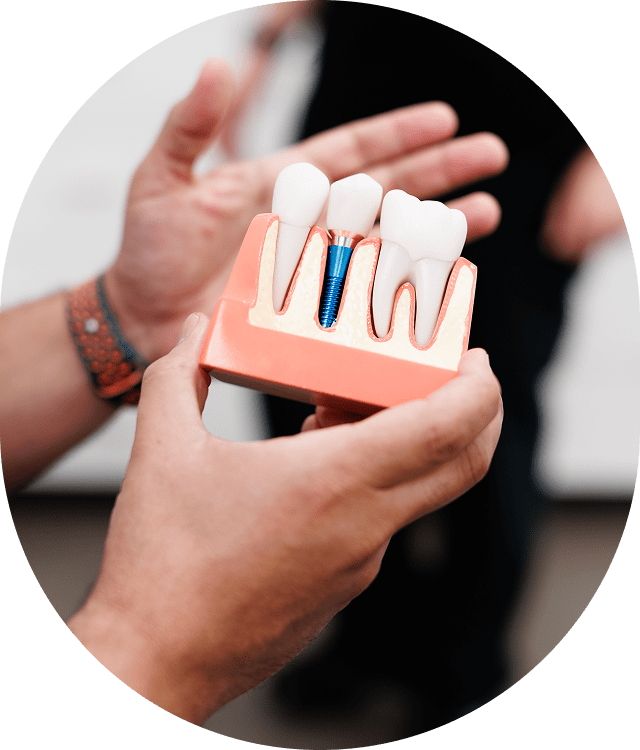
Implant-supported bridges are a fixed dental option for replacing several missing teeth. Anchored to implants in the jawbone, they are designed to remain in place for daily eating and speaking.
An Alternative to Traditional
Tooth Bridges
Many people with missing teeth consider bridge options but are concerned about traditional approaches, which often involve reshaping healthy neighbouring teeth. This can feel like an unwanted change to otherwise unaffected areas.
Implant-supported bridges are anchored to implants in the jawbone rather than adjacent teeth. This approach allows replacement of several missing teeth with a fixed bridge while leaving nearby teeth largely intact.
Why Patients Choose Crown Holistic Dental for
Dental Implants
Implants Designed for Oral Function
Dental implants are commonly used to replace missing teeth and help restore chewing and speaking ability. Using materials recognised for clinical use, our planning focuses on practical considerations within a patient’s overall care. Results vary between patients.
Personalised Treatment Planning
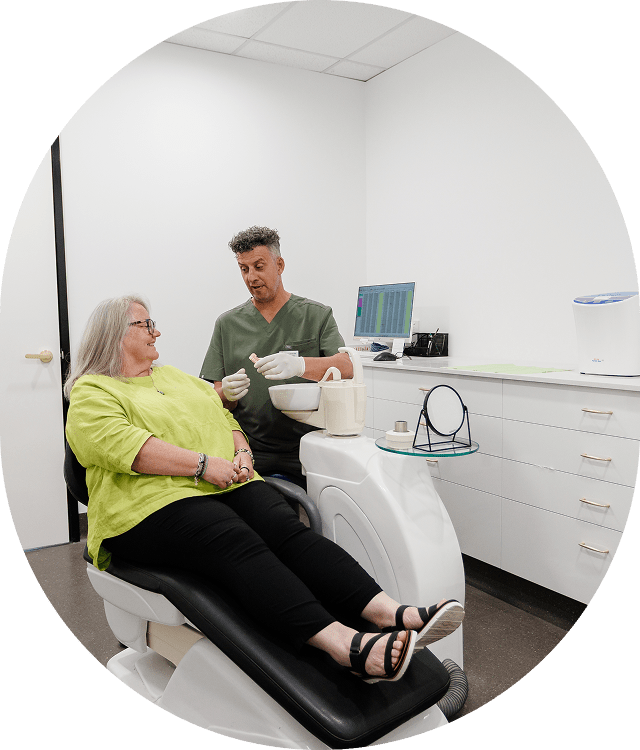
We begin with a comprehensive consultation and clinical assessment. Plans are tailored to each patient’s needs, and alternatives are explained to support informed decision-making. Our approach is to outline expected treatment steps, considerations, and follow-up so patients understand the process and what is required for ongoing care.
Care With Patient Support in Mind
Treatment is planned and carried out with consideration for surrounding oral structures. We explain each stage, provide information about recovery, and outline possible risks. Patients are supported with guidance designed to help them prepare and manage their treatment responsibly.
Ongoing Support for Long-Term Care
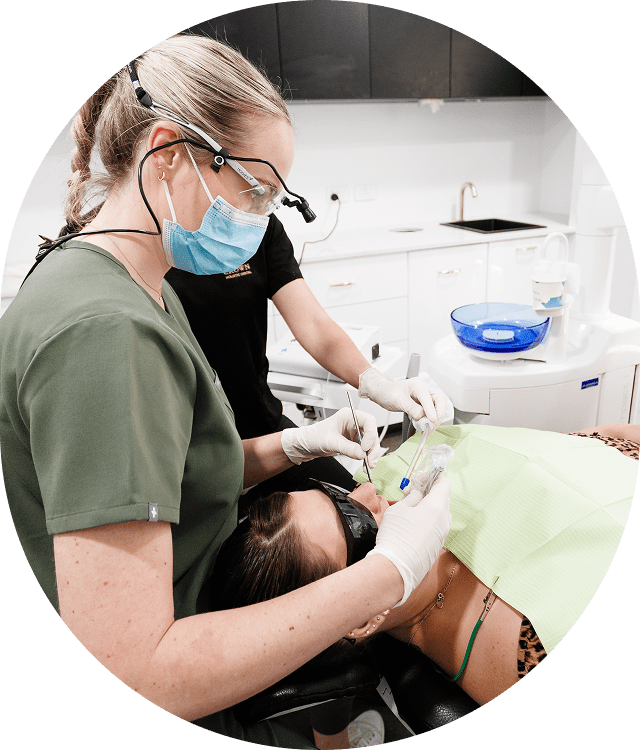
Dental implants require ongoing maintenance and follow-up. We provide advice on hygiene, regular check-ups, and long-term care. Professional reviews are important to assess implant condition over time, and our team offers continued guidance as part of overall dental care.
When Are Implant Bridges a
Good Choice?
- Implant-supported bridges may be a suitable option for individuals with multiple missing teeth. They’re often chosen in situations like these:
- You’re missing several teeth in a row and want a more stable alternative to removable dentures
- Your jawbone is healthy enough to support dental implants
- You prefer a fixed option that won’t shift or need adhesives
- Nearby teeth are healthy, and you’d like to avoid filing them down
Benefits of Implant-Supported Bridges for Function and Stability
- Implant-supported dental bridges are fixed to implants in the jawbone rather than neighbouring teeth. This approach is used in dentistry to replace multiple missing teeth and may provide the following features:
- Support during everyday activities such as eating and speaking
- Potential to help maintain jawbone volume under bite pressure
- Adjacent teeth usually remain unaltered
- Fixed in place, not removed daily like dentures
- Implant-supported bridges are not suitable for everyone and, like all dental procedures, carry some risks. Temporary effects such as swelling or soreness are common, and in some cases complications like infection or implant failure may occur. Your dentist will discuss these considerations and whether this treatment is appropriate for your oral health.
Learn More About Implant-Supported Dental Bridges Today
Thinking about replacing multiple missing teeth with a fixed option? A fixed bridge with implants may align with your needs. Book a personalised consultation to determine if this approach is suitable for your oral health and lifestyle.
The Process Behind Implant-Supported Bridges
Getting an implant-supported dental bridge involves a step-by-step approach tailored to your individual needs. Each phase is focused on promoting comfort and long-term function aligned with your oral health goals.
Comprehensive assessment and planning:
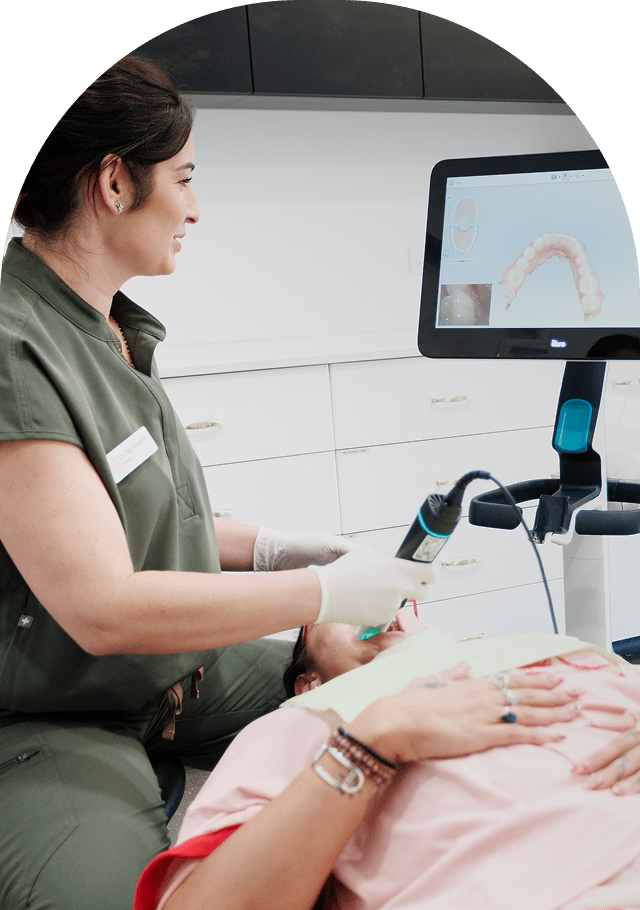
Your dentist will assess your oral health, take 3D scans or X-rays, and review your medical history. This step helps determine if dental implants are appropriate for you and allows your provider to plan the position and number of implants for the bridge.
Dental implant placement:
Small titanium posts are placed into the jawbone during a minor surgical procedure. These act as the foundation for the bridge. Healing time varies, but most patients can resume normal activities within a few days, with the implants fully integrated over several months.
Healing and integration period:
Over time, the implants gradually bond with the surrounding bone. This process, known as osseointegration, typically takes three to six months. Temporary teeth may be provided during this period to maintain appearance and function while the area heals.
Bridge attachment and final fitting:
Once healing is complete, your custom bridge is connected to the implants. The dentist will check your bite, alignment, and comfort during the fitting. Any adjustments will be made so the bridge feels balanced, secure, and supportive of your oral function.

Frequently Asked Questions
How is an implant-supported bridge different from a traditional bridge?
Both traditional and implant-supported bridges can be used when replacing multiple teeth. Each option has its characteristics and may suit different needs depending on your oral health and treatment goals:
Traditional Bridge | Implant-Supported Bridge |
Anchored to adjacent teeth | Anchored to dental implants in the jawbone |
Often requires reshaping healthy teeth | Leaves neighbouring teeth untouched |
Does not stimulate the jawbone | May help maintain jawbone structure |
Fixed, but relies on surrounding teeth | Fixed and supported directly by implants |
May need replacement after several years | May be long-term with proper care |
Suitable when nearby teeth need crowns anyway | Often preferred when adjacent teeth are healthy |
This comparison can help you and your dentist decide which option aligns with your oral health and personal preferences.
How many implants are needed for a dental bridge?
The number of implants required depends on the size of the gap, your jawbone health, and the type of bridge being placed. In many cases, two dental implants can support a bridge for replacing multiple teeth, such as three or four in a row. This approach helps minimise the number of surgical procedures while still offering stability.
For longer gaps—such as five or more missing teeth—additional implants may be recommended to improve balance and distribute pressure evenly during chewing. Your dentist will assess your bone density, spacing, and bite to determine the most suitable configuration.
There’s no one-size-fits-all answer. A personalised treatment plan is created after diagnostic imaging and clinical evaluation to help determine the appropriate number and placement of implants for your situation.
Is the procedure painful or uncomfortable?
Dental implant placement is usually performed under local anaesthesia, which numbs the treatment area. This means patients generally should not feel pain during the procedure, although they may notice some pressure or vibrations as the implant is placed. In some cases, sedation options may also be discussed depending on individual needs and health considerations.
After the procedure, it is common to experience temporary effects such as swelling, bruising, or soreness in the affected area. These effects often peak within the first 48 hours and gradually improve over several days. Dentists provide tailored post-operative instructions, which may include using over-the-counter or prescribed pain relief, maintaining oral hygiene, and modifying diet while healing. Recovery experiences vary between individuals, and your dentist will explain likely outcomes and management strategies before treatment.
How long does it take to complete the process?
The timeline for implant-supported bridges can vary, but it generally involves several stages:
- Initial consultation and planning:
The process begins with a comprehensive dental examination, imaging, and treatment planning, which typically requires one or two appointments. - Implant placement:
The implants are inserted during a minor surgical procedure, typically completed in a single appointment. - Healing and integration:
The implants gradually fuse with the surrounding bone in a process called osseointegration, which typically takes three to six months. - Bridge fitting and placement:
Once the implants are stable, impressions are taken and a custom bridge is attached, with adjustments made for comfort and function.
In most cases, the entire process may take anywhere from four to nine months, although this timeframe can vary depending on individual circumstances.
Are implant-supported bridges removable or fixed?
Implant-supported bridges are typically fixed in place. They are attached to implants in the jawbone, which act as anchors. Unlike removable dentures, patients do not take these bridges out on a daily basis.
A dentist can remove the bridge if adjustments, maintenance, or restorations are needed. Because the bridge is fixed, daily care is important. This includes regular brushing, using floss or cleaning aids designed for bridges, and attending routine check-ups to keep the implants and surrounding tissues healthy.
Can I eat normally with an implant bridge?
Once healing is complete, many patients find they can enjoy a wide variety of foods after receiving a fixed bridge with implants. Because the bridge is fixed to implants in the jaw, it generally provides greater stability than removable options.
During recovery, it helps to follow diet recommendations that support healing and comfort:
In the early stage, you should eat soft foods such as yoghurt, mashed vegetables, soups, and pasta.
At the mid-stage, you can introduce semi-soft foods such as fish, eggs, rice, and ripe fruits.
- In the long term, you can enjoy most everyday foods, although very hard or sticky items should be limited to reduce strain on the bridge.
With gradual reintroduction and consistent care, many people are able to return to a varied diet after treatment, though individual experiences and outcomes can differ.
What happens if one of the implants fails?
Implants are designed to integrate securely with the jawbone, but in some cases, one may not heal as expected or may loosen over time.
If this occurs, your dentist may recommend one of the following approaches:
The affected implant may be removed, and the bone and gums allowed to heal.
A new implant may be placed after the site has healed if it is suitable for reinsertion.
The bridge design may be adjusted to continue functioning with fewer implants.
- An alternative treatment may be recommended if replacing the implant is not considered appropriate.
While implant failure is not common, your dentist will guide you through the available options to help maintain comfort and oral function.
Is a bone graft necessary before getting an implant bridge?
A bone graft is not always required before implants are placed. The decision depends on whether the jawbone has enough volume and density to provide stable support for the implants.
A bone graft may be necessary in the following situations:
The jawbone has become too narrow or thin after tooth loss, leaving insufficient support for implants.
Gum disease has led to bone loss around the teeth or the planned implant site.
A missing tooth not addressed for many years, causing gradual bone shrinkage in the area.
An injury or trauma has damaged the section of the jaw where an implant is needed.
The sinus cavities are positioned close to the upper jaw, and additional bone is required to anchor the implants firmly.
When a graft is recommended, your dentist will explain the type that may be used and the expected healing time. They will also discuss how this step fits into your overall treatment plan.
What does the recovery process look like after surgery?
Recovery after implant surgery happens gradually, with different stages that support both short-term comfort and long-term healing.
- First few days:
You may experience swelling, mild discomfort, or bruising near the surgical site. These effects usually peak within the first 48 hours and then begin to ease. Most people manage this stage with rest, prescribed or over-the-counter pain relief, and a softer diet. - First two weeks:
Swelling and tenderness continue to settle, and stitches (if used) are often removed or dissolve naturally. By this stage, many patients feel comfortable enough to resume their regular activities while still being cautious with chewing and maintaining good oral hygiene. - Three to six months:
During this longer period, the implants gradually fuse with the jawbone in a process called osseointegration. Temporary teeth or bridges may be used so that you can eat and speak while waiting for the final bridge. - Final stage:
Once healing is complete and the implants are stable, the final bridge is attached. Your dentist will check the fit, comfort, and bite before finalising the process.
Recovery time can vary from person to person depending on general health, bone quality, and whether additional procedures were needed. Regular follow-up appointments help track progress and keep healing on course.
Is it possible to replace old bridges with implant-supported ones?
Yes, in many cases, traditional bridges can be replaced with implant-supported bridges. This is often considered when an older bridge is worn, no longer fitting properly, or if the supporting teeth have weakened over time.
Before making the switch, your dentist will examine the health of your gums, bone, and any remaining teeth. If the jawbone has adequate density, implants may be placed to support the new bridge for the missing teeth. If the bone has thinned in the area, procedures such as grafting might be suggested first.
Whether replacement is possible depends on your oral health and individual circumstances. A consultation and imaging are usually required to determine the most suitable approach.
Are implant-supported bridges suitable for older adults?
Age alone is not usually a barrier to having implant-supported bridges. Many older adults successfully receive implants if their general health, gum condition, and jawbone density are suitable.
Suitability is often assessed based on factors such as jawbone density, gum health, and any medical conditions that could affect healing. Some patients may require additional steps, such as bone grafting, before a fixed bridge with implants can be placed.
A thorough assessment, including imaging and a review of medical history, helps determine if implant-supported bridges are an appropriate option for each individual, regardless of age.
What are the care and maintenance requirements?
Caring for an implant-supported dental bridge is important not only for appearance but also for the long-term health of your gums and implants. To keep them functioning well, you may be advised to follow these steps:
You should brush your teeth and bridge twice a day using a soft-bristle toothbrush and fluoride toothpaste, which helps control plaque and maintain gum health.
You should rinse daily with water or a dentist-recommended mouthwash, as this can help reduce bacteria and support fresh breath.
You should clean between the bridge and gums with floss made for bridges or interdental brushes. This reduces food particles and plaque from areas a toothbrush cannot reach.
- You should attend routine dental check-ups and professional cleanings. Your dentist can check the condition of the implants, bridge, and gums and address any early concerns.
With consistent home care and regular dental visits, implant-supported bridges can continue to provide comfort and stability for many years to come.
Fund My Dental