

How Implant-Retained Dentures Support Your Smile

Conventional removable dentures rely on suction or adhesives for support, which may not always provide consistent stability in daily use.This can affect function and sometimes require additional maintenance.

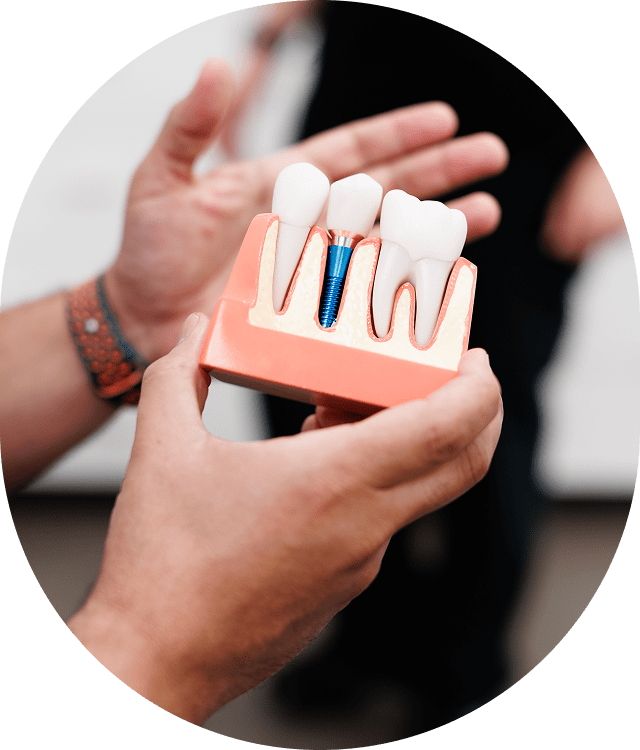
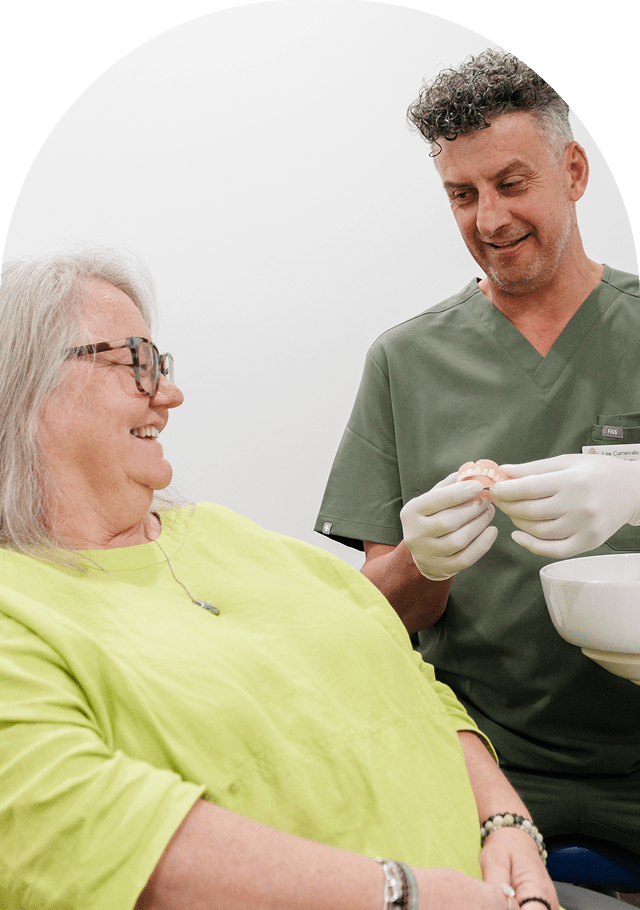
Implant-retained dentures are designed to connect to dental implants placed in the jawbone, providing improved support for daily activities such as eating and speaking. Your dental practitioner will also discuss any risks and recovery considerations before treatment begins.

Why Patients Choose Crown Holistic Dental for
Dental Implants

Dental implants restore function and appearance. Our team plans implant treatments with attention to comfort, biocompatible materials, and overall health. Here’s why patients choose our holistic approach to implant care.

Implants Designed for Oral Function

Dental implants are commonly used to replace missing teeth and help restore chewing and speaking ability. Using materials recognised for clinical use, our planning focuses on practical considerations within a patient’s overall care. Results vary between patients.

We begin with a comprehensive consultation and clinical assessment. Plans are tailored to each patient’s needs, and alternatives are explained to support informed decision-making. Our approach is to outline expected treatment steps, considerations, and follow-up so patients understand the process and what is required for ongoing care.

Treatment is planned and carried out with consideration for surrounding oral structures. We explain each stage, provide information about recovery, and outline possible risks. Patients are supported with guidance designed to help them prepare and manage their treatment responsibly.

Dental implants require ongoing maintenance and follow-up. We provide advice on hygiene, regular check-ups, and long-term care. Professional reviews are important to assess implant condition over time, and our team offers continued guidance as part of overall dental care.

Are Implant-Retained Dentures Right for You?

The Benefits of Choosing Implant-Retained Dentures

Book A Consultation to Know More About Implant-Retained Dentures

Implant-retained dentures could offer a more dependable fit without adhesives. If slipping or discomfort is getting in the way of daily life, learning about this option may help guide your next step forward.

The Step-by-Step Journey to Your New Smile

The implant-retained denture procedure is a staged process tailored to your needs. Each step is designed to guide you through planning, healing, and fitting—with clear communication and care at every stage.
1

Consultation and Assessment:

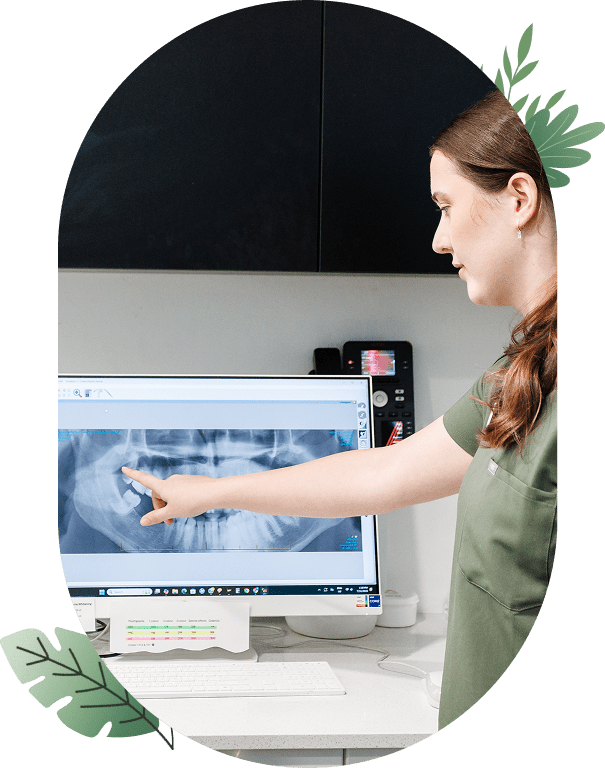
Your journey begins with a thorough dental evaluation. This may include X-rays or 3D scans to assess bone density and gum health. You’ll have time to ask questions, discuss expectations, and learn more about whether implant-retained dentures align with your oral health needs and lifestyle preferences.

2

Implant Placement Surgery:

If you’re a good candidate, dental implants are placed into the jawbone during a minor surgical procedure. Healing time can vary, but this phase allows the implants to integrate with the bone, creating a stable foundation for your future dentures.

3

Healing and Temporary Denture:

During the healing phase, which often lasts several weeks to a few months, a temporary denture may be worn. This helps maintain appearance and function while the implants settle. Your dentist will track your progress, provide care tips, and make any adjustments needed during this transitional period.

4

Attachment and Final Fit:

Once healing is complete and the implants are fully integrated, your final denture is crafted and fitted to precise attachments. Adjustments may be made for comfort and balance. Regular check-ups help keep everything feeling comfortable and functioning as intended.


Frequently Asked Questions

If you’re exploring implant-retained dentures, these FAQs can help clarify the process, expectations, and whether it suits your needs.

What are implant-retained dentures, and how do they work?

Implant-retained dentures are removable dentures designed to attach to dental implants placed in the jawbone. These implants act as small anchors beneath the gum line, helping the denture stay more stable during everyday activities like eating and speaking. This connection reduces the shifting or looseness often experienced with traditional removable dentures.

The denture itself includes attachments that clip or snap onto the implants, allowing it to be removed for cleaning and maintenance. While they’re not fixed in place, stabilising dentures with implants provides added support that contributes to a more secure fit and improved daily comfort. This option is typically considered for those who are looking for a middle ground between conventional dentures and full implant restorations.

Both implant-retained and traditional dentures are used to replace missing teeth. While they serve the same purpose, they differ in how they are supported and maintained day-to-day.

Implant-Retained Dentures

Traditional Dentures

Attached to dental implants placed in the jawbone

Rest on the gums without surgical components

Designed for a stable feel during eating and speaking

Designed to contour to the gums and may be adjusted over time

Snap into place using small connectors

Held in place with suction or denture adhesive

Implants interact with the jawbone, which may help maintain its shape

Sit above the gum line without direct stimulation to the bone

Removable for cleaning, with a tailored fit and implant connection

Removable for cleaning, fitted to suit individual gum contours

Includes regular denture care plus implant monitoring

Involves cleaning, periodic checks, and potential refitting if needed

Both types of dentures are commonly used and can be suitable depending on your oral health and preferences. Your dental team can help guide you through the most appropriate option for your circumstances.

In some cases, an existing denture can be modified to attach to dental implants. Whether this is possible depends on several factors, including the denture’s age, condition, material, and how it fits within your mouth. Dentures that are too worn or not originally designed to function as dentures with dental implants may not be suitable for long-term use in this way.

Your dentist will assess whether retrofitting your current denture is possible or if crafting a new one would offer a more stable and comfortable fit. Implant placement, the type of attachment system used, and your individual oral anatomy will all influence the outcome. This assessment helps determine the most practical and sustainable option for your ongoing care.

If the denture is suitable, your dentist may recommend moving forward with an implant-retained denture procedure instead of starting from scratch.

The number of implants used for implant-retained dentures can vary depending on your oral anatomy, the type of denture, and the level of stability required. Your dentist will recommend a treatment plan based on your unique needs.

As a general guide:

  • Lower dentures are often supported by two to four implants placed along the jawbone.

  • Upper dentures may require four or more implants to provide adequate support due to the structure of the upper jaw.

  • In full-arch cases, the number of implants can differ depending on the attachment system and available bone.

A detailed assessment, including X-rays or scans, helps determine how many implants will provide the most effective and well-supported fit. This approach allows for a tailored outcome that supports both day-to-day function and long-term care.

Yes, implant-retained dentures are designed to be removable. While they connect securely to dental implants using small attachments, they can be taken out for daily cleaning and maintenance. This helps support hygiene and allows for regular care of both the denture and the surrounding gums.

Removability does not reduce their stability during everyday use. Once in place, the denture remains securely connected to the implants, providing support for eating, speaking, and other daily activities. Your dentist will show you how to place and remove the denture comfortably and safely as part of your care plan.

Dental implant placement is performed under local anaesthesia to reduce discomfort during the procedure. Some patients may still notice sensations such as pressure, vibration, or movement. Sedation options can be discussed during the planning stage where appropriate.

Following treatment, it is common to experience swelling, tenderness, or bruising. Recovery experiences vary, and your dentist will provide aftercare advice, including pain management options and oral care recommendations to support healing.

The entire implant-retained denture procedure typically spans several months. The exact duration depends on your oral health, healing response, and whether any additional procedures are involved.

Here’s a general outline of the process, broken into phases:

  • Initial consultation and planning (one to two weeks):
    This stage includes a comprehensive dental assessment, imaging (such as X-rays or scans), and discussions about treatment options. If you’re a suitable candidate, your dentist will create a personalised treatment plan.
  • Implant placement surgery (single appointment):
    Dental implants are placed into the jawbone during a minor surgical procedure. Most patients recover quickly, though some initial soreness and swelling are normal.
  • Healing and osseointegration (two to four months):
    Over time, the implants integrate with the bone in a process called osseointegration. This phase is essential for creating a stable foundation and may take a few months, depending on individual healing.
  • Temporary denture (worn during healing, if needed):
    A temporary denture may be provided to maintain appearance and function while the implants settle. Not everyone will need one, depending on the case.
  • Final denture design and fitting (two to four weeks):
    Once healing is complete, impressions are taken to design your final denture. This is then attached to the implants, adjusted for daily ease, and checked for fit and function.
  • Additional procedures (if required, may extend timeline):
    Some patients may need bone grafting or soft tissue treatment before implants can be placed. These procedures add time to the overall process and are planned carefully in advance.

Your dentist will guide you through each step, with regular reviews to monitor progress and make any necessary adjustments along the way.

In some cases, existing dental implants can be used to support a new denture. However, whether this is possible depends on several factors, including the number, position, type, and condition of the implants already in place.

Your dentist will assess whether the existing implants are compatible with the attachment system required for implant-retained dentures. Some older implants may not align with newer connector types, or they may not be positioned ideally for optimal denture support. In these situations, your dentist may discuss alternative plans, such as new implants or custom dentures with dental implants, based on compatibility and function.

If your current implants are healthy and well-positioned, they may be incorporated into the design of a new denture. This can sometimes reduce the overall treatment time and implant denture cost. A thorough clinical evaluation, along with updated scans or imaging, will help determine the most appropriate and stable option for your long-term care.

During the treatment process, temporary dentures or provisional options are often provided while your implants heal and before the final denture is fitted. These help maintain your appearance and function throughout the transition.

If a temporary denture is recommended, it’s usually worn shortly after implant placement and adjusted as needed. This is intended to support speaking, eating, and maintaining appearance during healing. Not everyone will require or prefer a temporary, and your dentist will guide you through what’s appropriate based on your treatment plan.

There may be a brief window — such as immediately after implant surgery — where the temporary is not worn, depending on comfort and healing. If this applies to your case, your dentist will explain the timing and provide support to help keep you comfortable and well-prepared throughout the process.

Implant-retained dentures require daily care to maintain hygiene, fit, and the health of the surrounding gums and implants. Here’s how to care for them at home and during regular dental visits:

  • Remove the denture daily and clean it using a soft toothbrush or denture brush with a non-abrasive cleanser.

  • Rinse the denture thoroughly after meals to remove food particles and reduce bacterial build-up.

  • Gently brush around the implant attachments in your mouth using a soft-bristled or interdental brush to keep the area clean.

  • Use a non-alcoholic mouth rinse or warm water to support overall oral hygiene.

  • Store the denture in a clean container with water or a suitable soaking solution when not in use.

  • Visit your dentist regularly for check-ups, where they will assess the implants, clean any hard-to-reach areas, and adjust the denture if needed.

Maintaining a consistent routine helps support the longevity of both the denture and the implants, especially when stabilising dentures with implants for daily wear.

Implant-retained dentures are designed to be a durable and reliable option for replacing missing teeth. The implants may remain functional for 20 years or more, while the denture component typically lasts 5-15 years.

Timeframes can vary depending on your oral health, bite force, and how well the dentures are maintained. Several factors can impact how they hold up over time:

  • Oral hygiene habits:
    Daily cleaning of both the denture and implant sites supports gum health and helps prevent complications that can affect the fit or stability.
  • Regular dental visits:
    Ongoing check-ups allow your dentist to monitor the condition of the denture, check for changes in the mouth, and carry out professional maintenance as needed.
  • Material quality:
    The denture base and attachment system can significantly impact how well the components handle regular use, and when to make adjustments or replacements may be needed.
  • Changes in bone and gum tissue:
    Over time, natural changes in your oral anatomy can affect how the denture fits. Adjustments or relining may be recommended to maintain comfort and function.
  • Bite force and eating habits:
    Excessive pressure from grinding or chewing very hard foods can contribute to wear. If needed, your dentist may recommend specific dietary guidance or protective measures.

Staying proactive with care, maintenance, and follow-up can support the long-term performance and feel of your implant-retained dentures.

Implant-retained dentures, like all surgical treatments, carry potential risks during surgery, healing, and long-term maintenance. These risks vary between patients and will be discussed with you during consultation.

  • Infection after surgery:
    Bacteria may enter the surgical site, especially if aftercare instructions are not followed. Good hygiene reduces this risk.
  • Implant not integrating with bone:
    In some cases, the implant may not fully bond with the jaw, affecting stability. Smoking or low bone density may increase this risk.
  • Irritation around the gums:
    Friction from the denture or inflammation around attachments can cause local discomfort. Adjustments or improved cleaning often help.
  • Component wear or loosening:
    Over time, the attachment parts may wear down or loosen, especially with strong bite force or inconsistent maintenance.
  • Prolonged healing:
    Healing may take longer in some individuals due to health conditions, medications, or reduced bone support.
  • Nerve sensitivity or tingling:
    Rarely, implants placed near nerves may cause temporary sensitivity or altered sensation.

Most issues can be reduced with planning, regular reviews, and clear aftercare instructions. Your dental team will discuss these risks and how they apply to your situation.

Book A Consultation to Discuss Your Oral Health Needs

Ready to explore holistic dental care? Book a personalised consultation with a holistic dentist in Joondalup and start prioritising your oral health, personal comfort, and long-term well-being. 

Any surgical or invasive procedure carries risks. Before proceeding, you should seek a second opinion from an appropriately qualified health practitioner. Results, risks, complications, and recovery time vary significantly between individuals.