


Know More About Dental Implant Benefits and Biocompatibility
Discover how dental implant benefits and biocompatibility relate to comfort, oral function, and long-term oral health using well-tolerated materials that integrate well with surrounding tissues.
Why Biocompatibility Matters in Dental Implant Placement
Many people worry about artificial materials in dental treatments, especially if they’ve experienced metal sensitivity or have questions about long-term effects. These concerns are understandable since materials must work in harmony with surrounding tissues to support healing and function.
At Crown Holistic Dental, we use biocompatible dental implants. Focusing on dental implant benefits and biocompatibility, these materials are selected for oral integration. Outcomes vary depending on each patient’s circumstances.
Why Patients Choose Crown Holistic Dental for
Dental Implants
Implants Designed for Oral Function
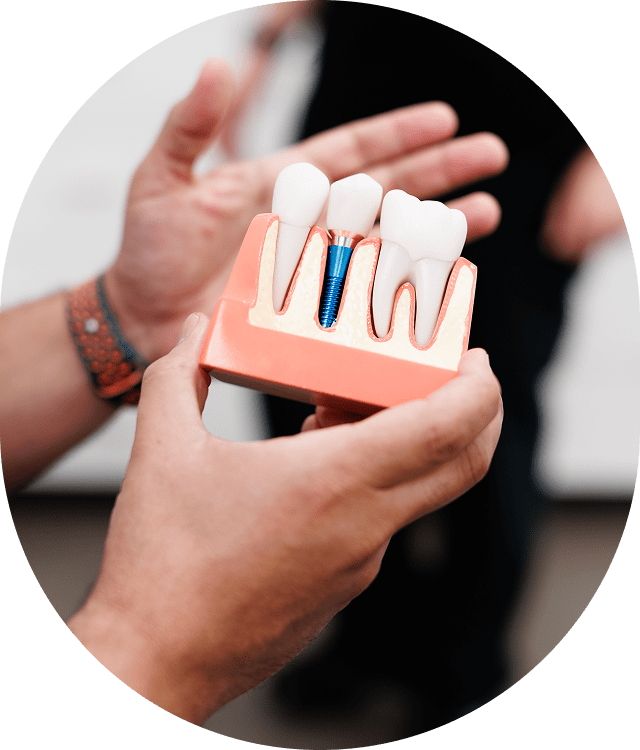
Dental implants are commonly used to replace missing teeth and help restore chewing and speaking ability. Using materials recognised for clinical use, our planning focuses on practical considerations within a patient’s overall care. Results vary between patients.
Personalised Treatment Planning
We begin with a comprehensive consultation and clinical assessment. Plans are tailored to each patient’s needs, and alternatives are explained to support informed decision-making. Our approach is to outline expected treatment steps, considerations, and follow-up so patients understand the process and what is required for ongoing care.
Care With Patient Support in Mind
Treatment is planned and carried out with consideration for surrounding oral structures. We explain each stage, provide information about recovery, and outline possible risks. Patients are supported with guidance designed to help them prepare and manage their treatment responsibly.
Ongoing Support for Long-Term Care
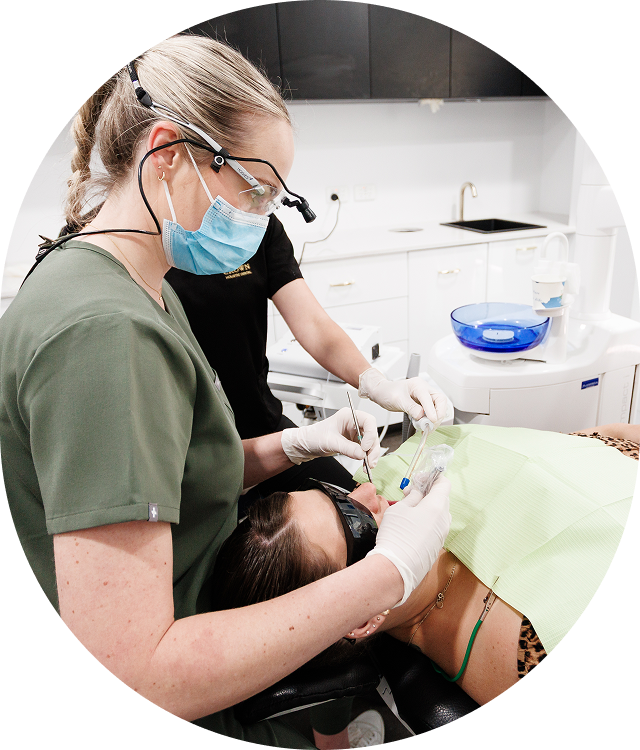
Dental implants require ongoing maintenance and follow-up. We provide advice on hygiene, regular check-ups, and long-term care. Professional reviews are important to assess implant condition over time, and our team offers continued guidance as part of overall dental care.
Are You Suitable for Holistic Implant Dentistry?
- Patients seeking tooth replacement that supports function, comfort, and ongoing oral health may consider this approach.
- Those with sensitivities or prior reactions to metal-based dental work often explore alternative implant materials.
- Individuals interested in commonly used, biocompatible dental implants selected for integration may find this suitable.
- Patients considering long-term outcomes often review dental implant benefits and biocompatibility when planning their treatment.
Key Health Benefits of Biocompatible Implants
- They support bone integration, helping implants feel stable and functional for chewing and speaking.
- Materials such as titanium and zirconia are commonly used in dentistry and are generally well-tolerated.
- They may assist gum health by limiting bacterial buildup around the implant area.
- They help preserve jawbone volume and maintain oral function, though outcomes can vary depending on individual circumstances.
Discover Safe, Holistic Implant Choices With Us
Explore implant options using biocompatible dental implants selected to support oral function and comfort. Our team will assess your needs and provide guidance on materials and treatment planning. Outcomes vary depending on individual circumstances.
What Happens During Your Holistic Implant Journey
Comprehensive Consultation and Health Review
We begin with a comprehensive review of your oral health, medical history, and goals. We discuss options, including biocompatible dental implants, and explain indications, alternatives, and risks so you can make informed decisions. Suitability depends on bone quality, oral hygiene, and systemic health considerations. We also provide time for questions.
Advanced Planning and Imaging
Digital scans and X-rays inform a precise plan tailored to jawbone volume, spacing, and restoration needs. Planning supports accurate placement and stability, illustrating advantages of dental implants while acknowledging that outcomes, timelines, and procedures vary. Minimally invasive approaches may be considered when clinically appropriate, based on imaging findings.
Gentle, Guided Implant Placement
Guided surgery is used to position the implant with precision, helping protect adjacent structures and reduce tissue trauma. We explain anaesthesia options, post-operative care, and potential risks such as infection, nerve irritation, sinus complications, or early failure. Our approach aims to support integration and comfort where clinically appropriate.
Healing, Integration, and Final Results
During healing, osseointegration occurs as bone bonds to the implant; we monitor progress and adjust your plan if required. A final crown or bridge restores appearance and function, and long-term benefits of tooth implants may include maintained bone volume and chewing stability; results vary. Ongoing hygiene and reviews are essential.

Frequently Asked Questions
How do dental implants support long-term oral health?
Dental implants may support long-term oral health by providing a stable foundation to replace missing teeth. They integrate directly with the jawbone, helping maintain bone density and structural integrity after tooth loss.
Key oral health benefits of dental implants include the following:
- Preservation of jawbone tissue:
Implants stimulate the bone where the tooth root once was, which may help reduce the risk of bone resorption over time. - Maintenance of natural tooth alignment:
Implants fill the gap left by a missing tooth and help prevent neighbouring teeth from shifting or tilting. - Protection of healthy teeth:
Unlike bridges, implants do not require alteration of adjacent healthy teeth, helping preserve natural tooth structure. - Long-term functional support:
Implants provide ongoing support for chewing, speech, and oral stability, which may contribute to comfort and function over time.
In comparison, some other tooth replacement options may require modification of surrounding teeth or provide less stability. Over time, the advantages of dental implants—such as maintaining jawbone health and natural function—may make them a suitable long-term option. Outcomes vary depending on each patient’s circumstances.
What is implant biocompatibility, and why does it matter?
Implant biocompatibility refers to how well a material interacts with the body without causing harmful reactions or interfering with healing. In the context of dental implants, biocompatibility means surrounding tissues accept the material. It also integrates effectively with the bone and soft tissue.
Biocompatible materials may lower the likelihood of inflammation, allergic responses, or implant complications. They can support stable healing and oral function by allowing the implant to bond with the jawbone.
This consideration is important for patients with sensitivities or chronic health conditions. It may also matter for those seeking reliable long-term outcomes that align with oral health goals.
Selecting biocompatible materials can help reduce complications and contribute to a smoother recovery process. Outcomes vary depending on individual health and treatment circumstances.
What is the most biocompatible dental implant material?
There is no single material universally considered the most biocompatible, as suitability depends on individual health, tissue response, and treatment goals. However, titanium is the most extensively studied and widely used material in implant dentistry. Decades of clinical evidence demonstrate its ability to integrate with bone and may contribute to long-term treatment success.
Zirconia is also recognised for its biocompatibility, and it is often selected by patients seeking metal-free alternatives or those with specific sensitivities. Both materials are used in modern dentistry and are considered biocompatible when selected based on patient-specific factors.
Are dental implants considered biocompatible?
Yes, modern dental implants are designed to be biocompatible, meaning they are intended to interact suitably with the body’s tissues. The materials commonly used—such as titanium and zirconia—are selected for their ability to integrate with bone and promote natural healing.
Biocompatibility reduces the likelihood of adverse immune responses, inflammation, or rejection. It may also play a key role in the long-term success of the implant by promoting stable integration with the jawbone.
Before recommending implant treatment, dentists review medical history, overall health, and any material sensitivities. This information helps determine whether the selected implant material is suitable for the individual’s needs.
What materials are typically used in biocompatible implants?
Biocompatible dental implants are made from materials that are intended to integrate with the body while supporting long-term oral function. The two most widely used materials are titanium and zirconia. Both have been studied for their compatibility with tissue and their potential to be well-tolerated.
- Titanium:
A strong, corrosion-resistant metal with extensive clinical use in dental and orthopaedic implants. It supports strong bone integration and is generally well accepted by the body. - Zirconia:
A ceramic, metal-free alternative that is often chosen by patients with sensitivities or those preferring non-metal treatment options. It offers favourable tissue compatibility and is naturally tooth-coloured, which may improve implant aesthetics.
Material choice depends on clinical needs, personal preferences, and overall health considerations. Both options are used in modern implant dentistry and may be considered biocompatible when selected based on patient-specific factors. Outcomes vary depending on individual circumstances.
Can dental implants trigger allergic reactions?
Yes, although uncommon, dental implants can trigger allergic reactions in patients with specific material sensitivities. Most implants are made from biocompatible materials like titanium or zirconia, which are generally well-tolerated by the body. However, some people may react to trace metals or compounds found in certain implant components.
Symptoms of a hypersensitivity reaction may include localised inflammation, discomfort, or delayed healing around the implant site. To reduce the risk of allergic response, dentists usually review the patient’s medical and allergy history, discuss any prior material sensitivities, and recommend alternative materials if necessary. In some cases, diagnostic testing may help guide appropriate material selection and reduce the risk of adverse response.
Are dental implants suitable for people with chronic health conditions?
Dental implants may be an option for patients with chronic health conditions, but a personal evaluation is essential before beginning treatment. Some conditions can influence healing, increase the risk of complications, or require coordination with a medical team. Each case is assessed to determine an appropriate treatment approach based on clinical and medical factors.
Chronic health conditions that may require additional consideration include the following:
- Diabetes:
Uncontrolled blood sugar levels may interfere with wound healing and increase the risk of post-surgical infection. Managing diabetes before treatment may help support a better outcome. - Autoimmune Disorders:
Conditions that affect immune function may alter how the body responds to surgery and may impact how well the implant integrates with bone. - Cardiovascular Conditions:
Patients with heart conditions or those taking certain medications may require coordinated care. A tailored plan may help minimise the likelihood of complications during and after treatment. - Osteoporosis:
Reduced bone density may affect the stability of dental implants. Treatment may need to be adapted based on bone quality and density. - Medications That Affect Healing:
Drugs such as immunosuppressants or bisphosphonates may influence how the body responds to implant placement. These medications are considered when planning surgery and post-operative care.
Outcomes vary depending on individual health status and treatment circumstances.
Can patients with dental implants undergo an MRI?
In most cases, patients with dental implants can undergo MRI scans. Most modern implants are made from non-ferromagnetic materials, such as titanium or zirconia. These materials generally do not interfere with the magnetic fields used in MRI technology. They are typically considered MRI-compatible, and their presence is rarely an issue during scanning.
In some cases, dental implants may cause minor artefacts on MRI images. This is more likely when the implant is near the area being examined. In most scenarios, these artefacts are manageable and do not affect diagnostic accuracy. Patients should always inform the imaging team about their implants before the procedure. This allows adjustments to scanning methods to help minimise interference and improve image clarity. Outcomes vary.
What are the risks if an implant material is not biocompatible?
When an implant material is not biocompatible, it may trigger a negative response in the body. These reactions can affect healing, comfort, and long-term function. A careful evaluation of material compatibility is essential to reduce risks and help achieve a positive outcome.
Here are some potential risks associated with non-biocompatible implant materials:
- Localised Inflammation:
The immune system may react to the implant by causing redness, swelling, or tenderness around the site. This inflammation may interfere with healing and lead to discomfort that requires further clinical attention. - Incomplete Bone Integration:
The implant may not bond properly with the surrounding bone, reducing long-term stability. Without secure integration, the implant may become loose or fail to promote normal function. - Persistent Irritation or Discomfort:
Some patients may experience ongoing sensitivity or soreness near the implant. This could indicate an adverse tissue response and may warrant reassessment of the materials used. - Allergic or Hypersensitivity Reactions:
Certain patients may react to specific metals or chemical compounds in implant components. These reactions may present as skin changes, irritation, or systemic symptoms and require prompt evaluation. - Implant Failure:
In more serious cases, a poor biological response can result in the implant loosening or needing removal. Implant failure may involve further treatment and delay in achieving functional restoration.
Selecting a material that is compatible with the patient’s biological profile and medical history is essential to reduce these risks. A thorough assessment helps guide the choice of implant material and promotes a smoother healing process.
What does "non-toxic" mean in relation to dental implants?
In the context of dental implants, “non-toxic” is sometimes used to describe materials that are chemically stable and resistant to corrosion or breakdown. These properties help ensure the material does not negatively affect surrounding oral tissues.
Implant materials with these characteristics may lower the likelihood of adverse reactions such as irritation or inflammation. This consideration is particularly relevant for patients with known sensitivities or health conditions that require careful material selection. Suitability depends on individual circumstances, and your dentist will assess which material options are most appropriate. Outcomes vary.
How does biocompatibility affect the healing process of implants?
Biocompatibility influences how the body responds to a dental implant during the healing phase. When implant materials are well-tolerated, they integrate more effectively with bone and soft tissue. This interaction helps form a stable foundation for long-term oral function.
The healing process may benefit from biocompatible materials in the following ways:
- Reduced Inflammation:
Biocompatible Materials may lower the risk of excessive immune response. These benefits can result in less swelling, tenderness, and disruption during recovery. - Bone Integration Support:
A biocompatible surface encourages bone cells to attach and grow around the implant. This feature encourages firm integration and helps improve the implant’s overall stability. - Improved Tissue Response:
Gums and soft tissues are more likely to react favourably to materials that do not irritate. This can lead to better healing and reduced sensitivity at the site. - Lower Risk of Complications:
Choosing a material that works harmoniously with the body may reduce the likelihood of delayed healing or implant rejection. This helps create a more predictable recovery process.
Selecting a biocompatible implant is an important part of treatment planning. It contributes to an environment that supports healing, function, and ongoing comfort.
How does Crown Holistic Dental assess materials for biocompatibility before recommending implants?
At Crown Holistic Dental, we take a personal approach to every stage of dental implant treatment. Biocompatibility is a key focus for our team, particularly for patients seeking integrative or non-metal alternatives.
Dental implant material selection involves the following steps:
- Review of medical history:
Your overall health, known allergies, and any sensitivities that may influence material compatibility or healing are considered. - Consultation and goal setting:
We will discuss your health priorities, preferences, and lifestyle to guide a tailored implant recommendation that aligns with your treatment goals. - Material sourcing and verification:
Dental implants are selected based on demonstrated performance, manufacturing quality, and recognised biocompatibility standards. - Consideration of non-metal alternatives:
Where appropriate, ceramic or other metal-free options may be recommended, particularly for patients with sensitivities or specific material concerns.
This process reflects our approach to thorough, patient-centred care. We aim to guide informed decisions about dental implant benefits and biocompatibility, supporting choices tailored to individual circumstances. Outcomes vary depending on each patient’s health and treatment plan.
Fund My Dental