
Snap-On Dentures vs Fixed Implants Explained Clearly
Snap-on dentures vs. fixed implant options differ in comfort, function, and maintenance. Learning about their differences supports informed decisions when choosing the right implant denture for your lifestyle.
Understanding Your Implant Denture Choices
Deciding between implant options can feel overwhelming. Many patients worry about comfort, long-term care, and daily stability with their dentures.
That’s why we compare snap-on dentures vs. fixed implant types clearly. We explore function, maintenance, and confidence with full arch implant options, helping you choose what fits your lifestyle and goals. Our goal is to support your decision with guidance based on comfort and oral health needs.
Why Patients Choose Crown Holistic Dental for Dental Implants
Implants Designed for Oral Function
Dental implants are commonly used to replace missing teeth and help restore chewing and speaking ability. Using materials recognised for clinical use, our planning focuses on practical considerations within a patient’s overall care. Results vary between patients.
Personalised Treatment Planning
We begin with a comprehensive consultation and clinical assessment. Plans are tailored to each patient’s needs, and alternatives are explained to support informed decision-making. Our approach is to outline expected treatment steps, considerations, and follow-up so patients understand the process and what is required for ongoing care.
Care With Patient Support in Mind
Treatment is planned and carried out with consideration for surrounding oral structures. We explain each stage, provide information about recovery, and outline possible risks. Patients are supported with guidance designed to help them prepare and manage their treatment responsibly.
Ongoing Support for Long-Term Care
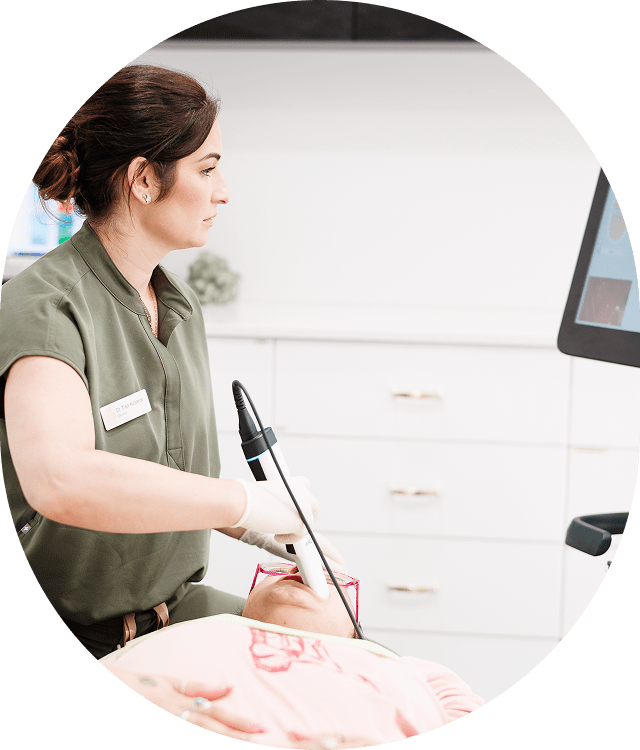
Dental implants require ongoing maintenance and follow-up. We provide advice on hygiene, regular check-ups, and long-term care. Professional reviews are important to assess implant condition over time, and our team offers continued guidance as part of overall dental care.
Who Benefits From Snap-On or Fixed Dentures
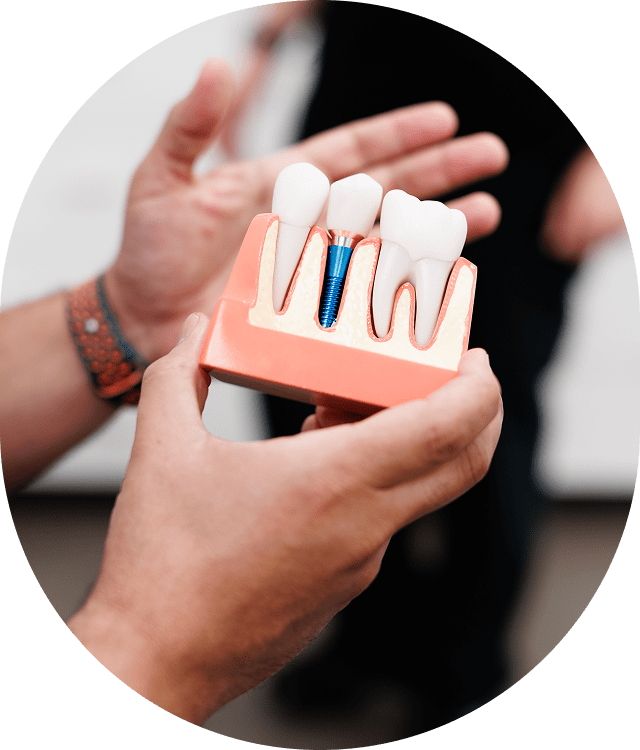
- Patients seeking stability may explore snap-on dentures vs. fixed implant dentures as alternatives to removable types.
- A healthy jawbone foundation is one factor in assessing suitability for implant-supported dentures.
- Full arch implant options may be considered during treatment planning to support oral function.
- These approaches can be tailored to individual needs, noting that outcomes such as comfort and speech vary.
Snap-On or Fixed: Benefits Compared
- Both snap-on and fixed implant dentures are designed to support smile appearance and facial structure.
- Fixed implant dentures may provide added stability for chewing, depending on clinical needs.
- Snap-on dentures can be removed for easier daily cleaning and maintenance.
- Either approach is planned according to patient suitability, with outcomes for function and comfort varying by individual health and treatment factors.
Need Help Choosing?
We’re Here to Talk
Our team will explain the differences between snap-on and fixed dentures. We will help you choose what fits your lifestyle, daily function, and long-term oral health goals with comfort and clarity.
How We Guide You Through Your Options
Initial Consultation and Assessment
We begin with a detailed consultation to understand your oral health, needs, and lifestyle. We review your history, perform scans and X-rays, and assess your jawbone structure. This allows us to determine if snap-on dentures or fixed implant dentures may offer the comfort and support you're looking for.
Personalised Recommendation and Planning
After reviewing your medical history, scans, and daily needs, we explain how different implant denture types work. We’ll compare appearance, function, care, and ease of use. This discussion helps you decide whether implant-supported dentures or snap-on dentures suit your comfort, long-term goals, bite strength, and lifestyle preferences.
Coordinated Treatment and Placement
Your treatment plan may involve scans, pre-treatment steps, and implant placement timing. Each full arch implant option is provided using clinically appropriate techniques to support healing. At every stage, we share clear information so you remain informed, prepared, and supported throughout the process.
Ongoing Support and Adjustments
After placement, we arrange check-ups to assess fit, tissue health, and oral hygiene. Ongoing care supports denture stability and function. Outcomes for speech, comfort, and daily use can differ between patients, depending on oral health, treatment factors, and how well ongoing care is maintained.

Frequently Asked Questions
What is the difference between snap-on dentures and fixed dentures?
Both snap-on and fixed dentures are secured with dental implants, but they differ in design, daily care, and overall feel. The comparison below outlines key differences to help you understand which option may better suit your lifestyle.
Aspect | Snap-On Dentures | Fixed Dentures |
Attachment | Clip-in locators secured to implants | Secured with screws or dental cement |
Removability | Removed daily by the patient | Only removed by a dental professional |
Cleaning Routine | Cleaned outside the mouth using denture products | Brushed and flossed while worn |
Stability | Stable; slight movement may occur | High stability; resembles natural teeth |
Comfort | Generally comfortable; may need adjustments | Comfort may change as healing progresses, and adjustments may be required to support fit and function |
Number of Implants | Typically, two to four per arch | Usually four to six per arch |
Cost Consideration | May involve fewer implants and lower complexity | Higher cost due to additional procedures |
Treatment Timeline | Often completed faster | Involves more stages and recovery time |
Both types aim to improve chewing, speaking, and comfort. The most appropriate approach depends on clinical findings and patient preferences.
Which is better for daily function, snap-on or fixed dentures?
Daily function involves eating, speaking, and comfort throughout the day. Implant-supported dentures enhance daily activities such as eating, speaking, and comfort, but their performance can differ depending on the specific design and fit.
Functional Factor | Snap-On Dentures | Fixed Dentures |
Chewing Efficiency | Improved chewing; slight movement may occur | Stable biting with minimal pressure points |
Speech Clarity | Generally clear; may need minor adjustments | A stable fit can support speech clarity, though individual results vary |
Daily Comfort | Comfortable; can be removed at night | Feels stable and worn continuously |
Security During Meals | May shift with sticky or hard foods | Fixed dentures are designed for stability during meals, though the chewing experience depends on food type and fit |
Impact on Taste | May reduce taste due to palate coverage | Typically preserves natural taste sensation |
Confidence in Public | Provides stability; may feel less secure for some | Some patients may find fixed dentures more stable for social activities; outcomes vary |
Dentists will recommend an option that suits the patient’s oral health, dexterity, and personal goals.
How secure are snap-on dentures compared to fixed dentures?
Security is an important consideration when selecting a denture option. While both types use implants, their design affects retention and reliability.
Security Factor | Snap-On Dentures | Fixed Dentures |
Movement During Use | May shift slightly when chewing or speaking | Designed to stay stable during daily use |
Implant Retention | Held by clips or locators | Attached with screws or cement |
Dislodgement Risk | May loosen if attachments wear out | Rarely dislodges during normal use |
Reliability in Public | Secure fit; some may feel cautious in public | Fixed dentures are designed for stability during daily activities; individual experiences vary |
Ongoing Maintenance | Components may need replacement | Requires less frequent maintenance |
How long do snap-on dentures typically last?
Snap-on dentures, also known as implant-retained overdentures, generally have a lifespan of 5 to 10 years. This duration depends on factors such as the quality of materials used, the patient’s oral hygiene practices, and the level of care provided. Over time, natural wear and tear can affect the denture base and attachment components. This may lead to the need for adjustments or replacements to maintain function and comfort.
However, the attachments (such as O-rings or locator caps) that connect the denture to the implants may require periodic replacement due to wear. Regular dental check-ups are essential to monitor the condition of both the dentures and the implants. These visits allow any necessary maintenance to be identified and addressed promptly, which may help extend their functional lifespan.
How long do fixed dentures usually last?
Fixed dentures typically last 5 to 10 years, depending on how well they are maintained over time. Several factors influence the lifespan, including the quality of the prosthetic materials and the stability of the supporting implants. It also depends on how well the patient maintains their oral health over time. Even if the implants remain in good condition, the denture itself may show signs of wear over time. These changes can include chipping, loosening, or alterations in fit due to bone or gum remodelling.
Most patients won’t need to replace the entire denture within a few years, but minor maintenance is required along the way. This might include adjustments to the bite, tightening of retention screws, or replacement of worn-down components to maintain proper function. With consistent dental visits and proper hygiene, the prosthesis can remain functional and comfortable well into the second decade after placement.
What is the average cost of snap-on dentures?
The cost of snap-on dentures generally ranges from $6,000 to $12,000 per arch. This price range depends on the number of implants placed and the overall complexity of the procedure. The final cost is determined through an assessment and varies according to each patient’s needs and oral health condition.
Key factors that influence the total cost may include the following:
The number of implants required to support the denture directly impacts surgical planning and prosthetic stability.
The quality and type of materials used in both the denture base and attachment components can affect comfort and durability.
Preparatory procedures, such as tooth extractions or implant site preparation, are needed to help achieve a healthy foundation for treatment.
Any additional treatments that may be necessary to optimise fit and function include bone grafts or customised prosthetic designs.
Periodic replacement of attachment components may be necessary over time, necessitating ongoing maintenance.
A customised treatment plan will begin with a full clinical assessment and an itemised quote. Payment options will then be discussed based on individual needs and treatment requirements.
How much do fixed full-arch implant dentures cost?
Fixed full-arch implant dentures usually require a higher investment, with costs often starting from $21,912 to $49,658. The total cost depends on several clinical and material-related factors, which may include the following:
- The number of implants required to support the fixed bridge directly affects both surgical complexity and overall treatment cost.
The type and quality of materials used in fabricating the final prosthesis can influence durability, comfort, and appearance.
Diagnostic imaging and surgical planning, such as panoramic X-rays (OPGs) or 3D scans, are necessary for precise implant placement.
Temporary restorations may be needed during the healing phase, contributing to the overall treatment time and expense.
Additional procedures, such as bone grafting or sinus lifts, may be required if there is insufficient bone to support the implants.
- Ongoing postoperative care and maintenance appointments are essential to monitor healing and support the long-term function of the treatment.
A comprehensive consultation will include a detailed treatment plan and an itemised quotation tailored to your situation. Your dentist will discuss available payment arrangements as part of your treatment planning. Costs depend on individual assessment and treatment needs.
What are the disadvantages of snap-on dentures?
Snap-on dentures provide improved stability and comfort compared to traditional removable dentures. However, there are several limitations that should be considered when evaluating whether this option is the right fit for long-term oral health and lifestyle needs:
- Removability:
Patients who prefer an option that stays in place at all times may not find snap-on dentures suitable, as they require daily removal. Some patients may find this routine less comfortable or less natural compared to alternatives that stay fixed in the mouth. - Long-Term Wear:
The attachment components, such as clips or locators, are subject to wear from daily use. These parts often require replacement every one to two years to maintain a secure and functional fit. - Stability:
While more secure than conventional dentures, snap-on types may still experience slight movement during chewing or speaking. Some patients may notice movement when eating or speaking, which can influence how they feel in social settings. Experiences vary. - Hygiene Maintenance:
Proper hygiene requires removing the denture daily to clean both the appliance and the gums underneath. Failure to follow this routine may increase the risk of irritation, plaque buildup, or infection around the implant area. - Ongoing Adjustments:
Over time, changes in the shape of the gums and bone may lead to a loose or uncomfortable fit. These can result in the need for relining, adjustment, or replacement of the denture base to maintain comfort and function. - Compared to Fixed Alternatives:
Snap-on dentures do not offer the same level of bite strength or stability as fixed, implant-supported bridges. For patients wanting an approach that more closely resembles the feel and function of natural teeth, a non-removable type may be more suitable.
What are the risks or limitations of fixed dentures?
Fixed dentures offer high stability and function, but as with any surgical treatment, there are considerations to keep in mind. These risks and limitations may vary depending on each patient’s oral health and medical background.
- Surgical Requirements:
- Placing fixed dentures involves implant surgery, which carries general surgical risks such as infection, bleeding, and delayed healing. Patients with existing health conditions may face additional surgical considerations.
- Treatment Duration:
The treatment process often spans several months, particularly when healing time is needed between implant placement and prosthesis fitting. This timeline can be longer for patients requiring additional preparatory procedures. - Cost Considerations:
Fixed denture options tend to involve more implants, custom components, and longer clinical appointments. These factors may contribute to a higher overall treatment cost compared to removable options. - Maintenance Challenges:
Although fixed dentures are cleaned similarly to natural teeth, they still require daily oral hygiene and regular professional care. Missed appointments or poor hygiene can affect implant health over time. - Complex Adjustments:
If damage occurs to the non-removable prosthesis, it cannot be managed at home and may need to be professionally assessed and adjusted. This process may involve additional appointments and laboratory work. - Variable Suitability:
Not all patients are ideal candidates for fixed dentures. Those with low bone volume, complex medical histories, or certain medications may need alternative treatment planning.
These factors are carefully reviewed during your consultation to determine whether fixed dentures are the most appropriate approach for your long-term oral health goals.
Can snap-on dentures be upgraded to a fixed option later on?
In many cases, snap-on dentures can be upgraded to a fixed option if the implants remain stable and well-positioned. Dentists assess the implant’s condition and position to determine if it is suitable for the placement of a fixed bridge. If additional implants are needed for support, these may be placed. Bone volume must be adequate for successful placement.
Changes to the prosthesis design may be necessary to support fit, function, and comfort over time. Clinical examination and imaging are required to evaluate suitability and guide the planning of any fixed option upgrade.
Which denture type is easier to clean and maintain?
Both snap-on and non-removable dentures require consistent care to maintain oral health. Cleaning methods and maintenance demands differ, and these differences may influence which option is more suitable based on your daily routine and preferences.
The table below compares their maintenance needs:
Care Factor | Snap-On Dentures | Fixed Dentures |
Daily Routine | Removed and cleaned externally | Cleaned while worn using a toothbrush and floss |
Ease of Access | Full access to gums and implants | More effort is needed to reach under the bridge |
Time Required | Longer cleaning time due to removal | Quicker routine, similar to brushing natural teeth |
Professional Care | Components may need regular replacement | Fewer adjustments once stabilised |
Plaque Risk | Lower with proper daily removal | Risk of debris under the bridge if not cleaned thoroughly |
How does Crown Holistic Dental help patients choose between snap-on and fixed dentures?
At Crown Holistic Dental, we understand that choosing between snap-on and fixed dentures is a personal decision. Our team takes the time to understand your health history, daily habits, and long-term goals. We aim to guide you towards an option that supports oral health function and daily use, with treatment tailored to individual needs.
As part of your consultation, we will:
Carry out a one-on-one assessment to evaluate your oral condition, bone support, and suitability for implant-supported dentures.
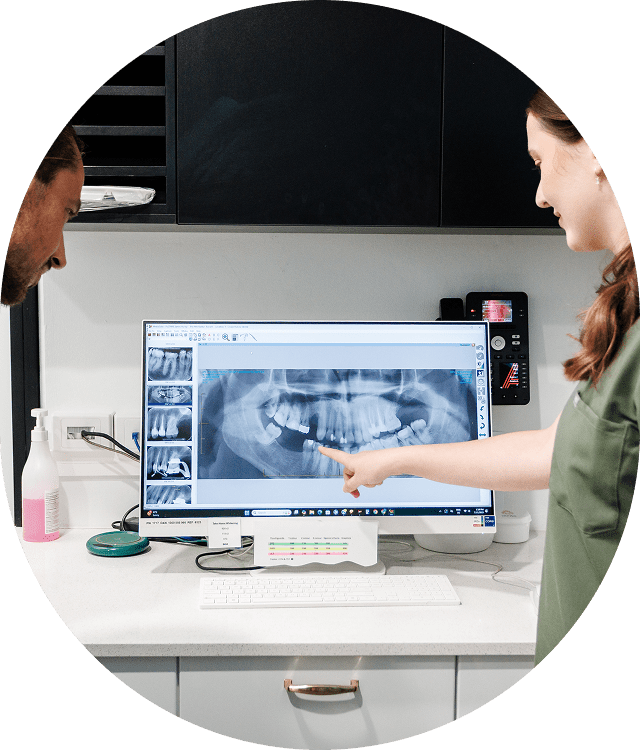
Take photographic images and a full-mouth X-ray (OPG) to assist with accurate diagnosis and detailed implant planning.
Discuss your daily routines and preferences, including hygiene habits, dexterity, diet, and comfort, with removable or non-removable options.
Explain key clinical information, such as how many implants may be needed, what treatment stages to expect, and ongoing care requirements.
Provide a clear breakdown of costs, along with available payment arrangements to support access to care.
Explore how dental care may relate to other aspects of your health, including breathing patterns, sleep quality, and nutrition.
When weighing up snap-on dentures vs. fixed options, we will help you explore what aligns with your individual needs and preferences. This includes considering your lifestyle, oral health priorities, and long-term expectations.
Fund My Dental