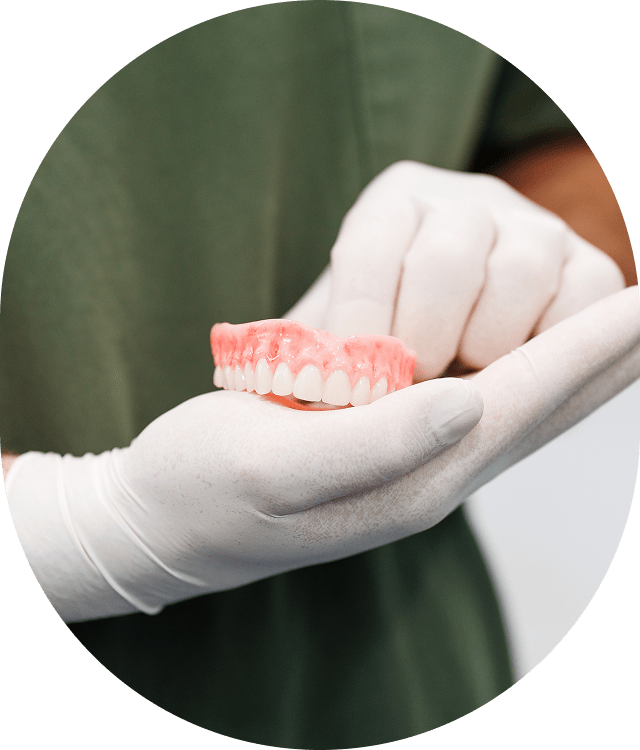

Rebalancing Comfort With a Simple Reline

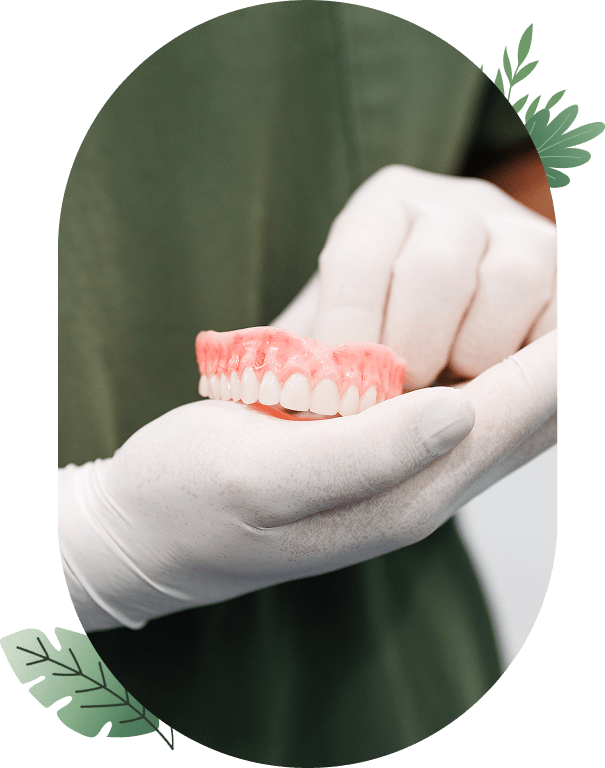
Over time, the natural contours of your gums and jawbone can shift, leaving dentures feeling unstable or uneven. This change may cause rubbing, pressure points, or difficulty when eating and speaking.

A denture reline reshapes the inner surface, creating a more secure and even fit. Restoring balance between dentures and gums may improve comfort and reduce irritation, supporting more stable use throughout the day.

Why Choose Crown Holistic Dental for Dentures

Dentures should feel natural and functional. We design with fit, comfort, and appearance in mind while supporting overall health. Here are some reasons patients value our holistic denture care.

Custom Dentures With a Focus on Fit

Our dentures are individually made to suit each patient’s bite and oral structure. This supports everyday activities such as eating and speaking. Results vary, and adjustments may be required, but each set is designed with function in mind.

We create dentures with attention to both function and appearance. They are designed to sit appropriately and aim to support oral function while also providing a complete smile in a practical, patient-focused way.

Adapting to dentures can take time. Our team provides follow-up care, advice, and adjustments where needed. Patients are given clear guidance on use and maintenance to support a smoother transition, with ongoing professional input available if concerns arise after fitting.

Dentures are intended to help support speech, eating, and oral function in daily life. We discuss individual preferences and lifestyle factors to help create designs that are practical and aligned with long-term oral health management.

Who Should Consider Denture Reline Appointments

The Benefits of Relining Dentures

Need A Denture Reline? Book Your Visit Today

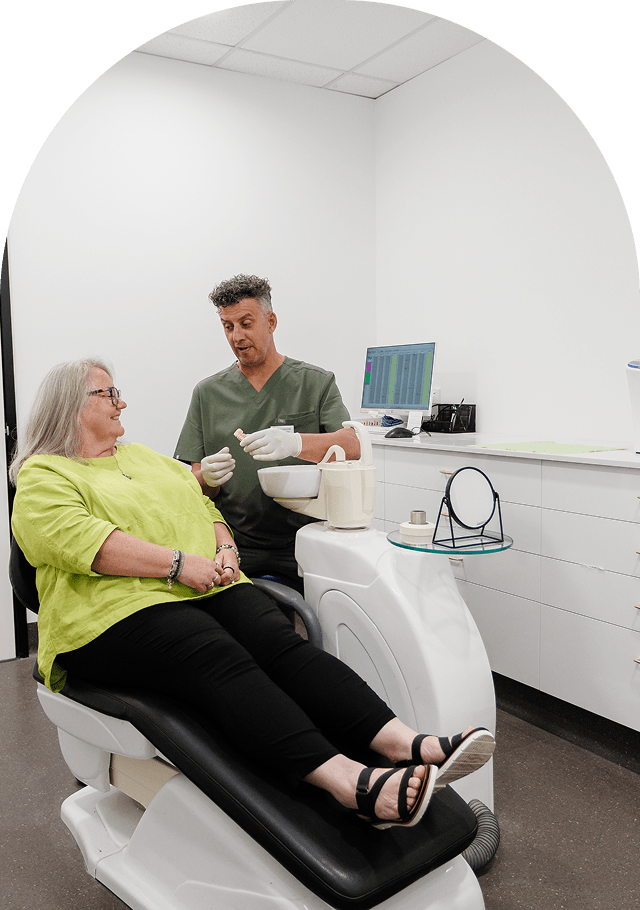
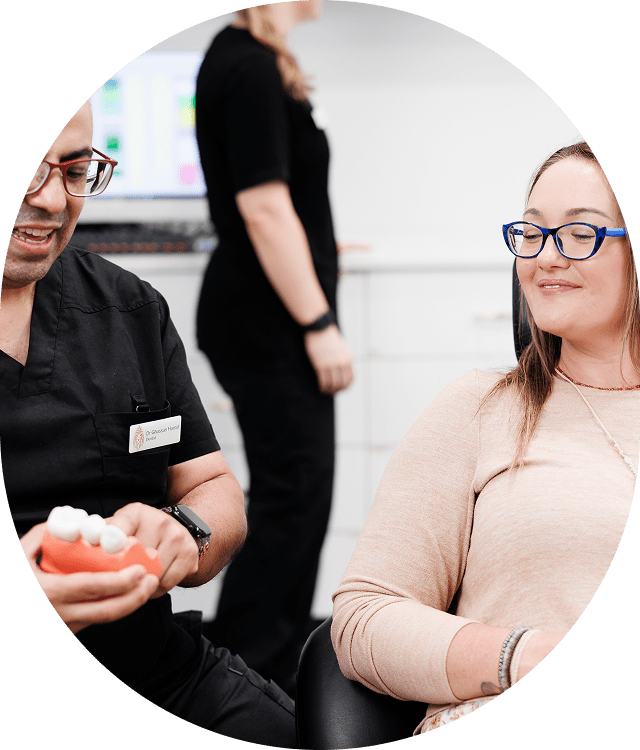
Book a visit to discuss a denture reline that may improve comfort, stability, and fit. A dentist will assess your dentures, take impressions if required, and explain follow-up care to support ongoing comfort and function.

The Reline Process From Start to Finish

Relining dentures is a straightforward procedure designed to improve denture fit. Each stage is performed with care, helping your dentures adapt to the current contours of your mouth.
1

Initial Assessment:

Your dentist examines your dentures and oral tissues, checking for wear, pressure points, and areas causing discomfort. This evaluation helps determine the most suitable reline type—chairside or laboratory-based—and whether other denture adjustment services or repairs are needed before beginning the process.

2

Impression Taking:

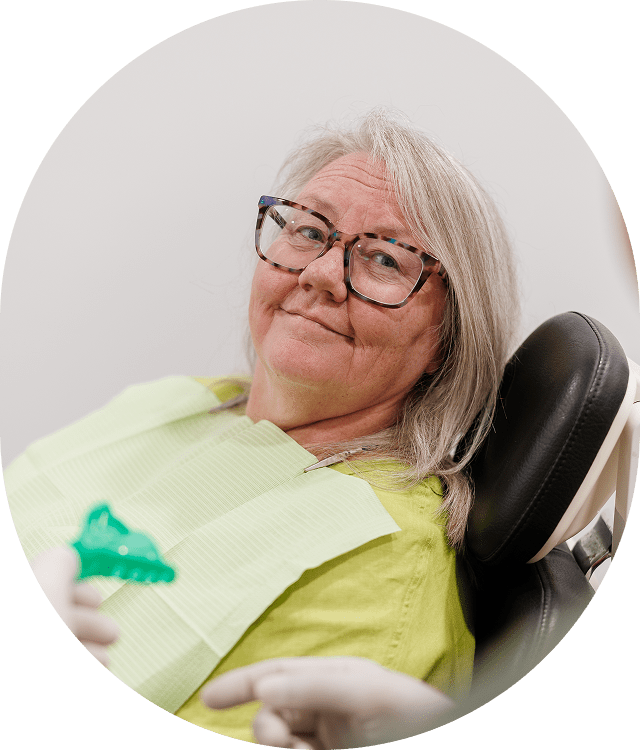
An impression of your gums and underlying bone is taken along with the mold of the dentures. This captures the precise shape and changes in your mouth, allowing the new lining to be customised for a snug, even fit that reduces slipping and discomfort.

3

Relining Application:

Depending on the method, the new acrylic or soft lining material is either added chairside in the dental clinic or processed in a dental laboratory. The material bonds to the existing denture base, reshaping the inner surface to match your current oral anatomy better.

4

Final Adjustments and Polishing:

Once the reline material has set, your dentist checks for comfort, bite alignment, and smoothness. Any minor pressure points are adjusted, and the surface is polished to prevent irritation. You’ll also receive care advice to help maintain the improved fit and comfort.


Frequently Asked Questions

Here’s what you need to know about denture relines, including how they’re done, when they’re required, and what to expect.

What are denture relines, and why are they needed?

A denture reline is a process where the surface of your existing denture, particularly the part that touches your gums, is reshaped to improve its fit. This adjustment doesn’t change how your denture looks on the outside, but it can make it feel more stable and comfortable.

Over time, natural changes in your mouth, such as bone shrinkage, gum changes, or healing after extractions, can affect how well your denture fits. When this happens, dentures may start to feel loose, shift during speaking or eating, or create sore spots. A reline adds new material to the fitting surface to match these changes and help improve denture fit.

Relining may be recommended if your denture feels unstable, causes irritation, or no longer stays in place during daily activities. It’s often a practical alternative to getting a new denture, especially when the teeth and outer structure are still in good condition.

You might notice signs that your dentures no longer fit as well as they once did. Common indicators include the following:

  • A loose or wobbly feeling when speaking or eating:
    If your dentures shift or feel unstable during everyday activities, it may indicate that your gums have changed shape, requiring a reline.
  • Soreness or irritation on your gums:
    Ill-fitting dentures can create pressure points, causing sore spots or inflammation, particularly after prolonged wear.
  • Food is getting trapped under your denture more easily:
    When dentures no longer seal properly against the gums, food particles may become lodged underneath, causing discomfort and hygiene issues.
  • Needing to use adhesive more frequently:
    Increasing reliance on adhesive to keep your dentures in place can indicate that the fit has loosened and may require adjustment.
  • A change in how your denture sits or feels during the day:
    If your dentures feel different throughout the day, such as lifting, tilting, or clicking, it may be because they are no longer aligning properly with your gums.

These signs often appear gradually, as the shape of your gums and jawbone can change over time. If you’ve had your dentures for more than a year or if they’ve started to feel uncomfortable or unstable, it’s worth having them checked.

If you’re experiencing any of these issues, it’s time to have your dentures assessed. A relining may help improve comfort and stability without requiring the replacement of the entire denture, depending on denture condition.

Yes, dentures can usually be relined more than once, provided the base and teeth are still in good condition. Relining helps adjust the internal surface to better fit your gums as they naturally change over time. However, there’s a limit to how many times a denture can be successfully relined before replacement becomes necessary.

If a denture has already been relined multiple times, it may eventually reach a point where refitting old dentures is no longer effective. This is especially true if the denture shows signs of wear, such as cracks, thinning acrylic, or flat teeth. In that case, a replacement might be a more effective long-term option.

While denture relining can improve fit and comfort, it’s not always the right option for every situation. Some of the limitations include the following:

  • Not suitable for all dentures:
    If your denture is old, worn, or fragile, relining may not be a viable option or practical in the long term.
  • Doesn’t manage worn teeth:
    While relining worn dentures can improve how they adapt on the gums, it won’t restore the biting surfaces if the teeth are damaged or flattened.
  • Cosmetic changes are limited:
    Since the reline doesn’t alter the visible surfaces, it won’t improve the appearance of stained or aged denture teeth.
  • Shorter lifespan for some materials:
    Soft denture relines can feel more comfortable, but may wear down more quickly and require replacement sooner.

Your dental professional will assess the condition of your denture and help you determine whether a reline is appropriate or if a replacement may be more effective.

The cost of a denture reline can vary depending on the type of reline required (hard or soft), the condition of your current denture, and whether it’s done on-site or sent to a laboratory.

In Joondalup, denture relines typically range from $350 to $492 per arch, although this price may vary depending on your specific needs or the need for additional adjustments. Soft denture relines are often slightly more expensive due to the materials used and the added comfort they provide.

If you’re eligible for government schemes like DVA or CDBS, part of the cost may be covered. Payment plans may also be available, depending on your situation.

It’s a good idea to book a consultation, so our team can assess your denture and provide a personalised quote before proceeding.

Most dentures benefit from a reline every two to three years, but the exact timing depends on how much your gums and jawbone change over time.

Some people, especially those who have recently had teeth removed, may need a reline within the first year, as the mouth can undergo significant changes during the healing process. Others may go longer if their dentures remain stable and comfortable.

Regular dental check-ups are the proper way to track whether a reline is needed. Our team can assess the fit and let you know if a reline, adjustment, or replacement is the right step to maintain comfort and function.

At-home reline kits are available, but they’re not a substitute for professional care. While they might offer short-term relief, they come with risks, especially if the material sets unevenly or isn’t suited to your denture. Common issues with DIY kits include the following:

  • Poor fit that leads to sore spots or gum irritation:
    DIY relines often lack the precision of professionally applied materials, resulting in an uneven fit which may also affect your bite. This may cause pressure points, discomfort, or gum inflammation.
  • Difficulties removing or managing the reline once it sets:
    Once the material hardens, it can be difficult to adjust or remove without damaging the denture. This may complicate future professional adjustments.
  • Damage to the denture base, which may affect long-term use:
    Some kits contain materials that can bond too strongly or unevenly to the denture base, potentially compromising its integrity. This can weaken the structure or interfere with future relines done by a dental professional.

A professionally done reline utilises safe, long-lasting materials and is custom-shaped to fit your mouth precisely. If your dentures feel loose or uncomfortable, it’s better to have them assessed so we can recommend denture adjustment services tailored to your needs.

Yes, relining is one of the most effective ways to improve denture fit. Over time, changes in your gum shape and bone structure can cause dentures to shift or feel unstable.

A reline reshapes the inner surface of the denture to match your current gum contour better. This can also help reduce movement while talking and eating, ease gum irritation or pressure points, and improve overall comfort and stability.

While a reline won’t make an old or worn denture like new, it can sometimes extend its use and improve fit, although results vary depending on individual circumstances.

Whether you choose refitting old dentures through a reline or replacing them entirely depends on their condition and how well they’re performing day-to-day. If denture teeth remain in good shape and the base is intact, relining worn dentures can improve fit and prolong usability. However, replacement may be more appropriate if:

  • The denture is over five years old:
    Dentures typically require reassessment after five years, as natural changes in your gums and jawbone can affect their fit and function over time.
  • The teeth are worn, chipped, or stained:
    If the denture teeth show signs of wear or discolouration, replacing the entire denture may provide better aesthetics and chewing efficiency.
  • You’ve already had several relines:
    If multiple relines have already been performed, the base may no longer be able to support additional adjustments effectively.
  • The denture no longer feels comfortable despite adjustments:
    Persistent discomfort, even after relining or minor adjustments, may suggest that the denture no longer fits your mouth properly. In such cases, replacement may be the most suitable option for restoring long-term comfort and function.

Our team will assess your current denture and recommend the option that maintains your comfort, function, and long-term oral health.

The materials used in a denture reline depend on whether it’s a hard or soft reline.

Hard relines are made of acrylic, the same material used in most dentures. It provides a durable and closely contoured surface that’s reshaped to fit your gums. This type is common for patients with stable gum tissue who prefer a firmer feel.

Soft relines use a flexible, cushioning material that’s gentler on sensitive gums. These are often recommended for individuals with sore spots, thin gum tissue, or difficulty adjusting to traditional acrylic dentures.

Your dentist will guide you to the most suitable option based on your comfort, oral health, and the current fit of your denture.

Yes, a properly relined denture can make chewing feel more comfortable and secure. When dentures become loose, they can shift while you eat, causing uneven pressure, gum irritation, or difficulty chewing.

Relining restores a closer fit to your gums, helping distribute pressure more evenly and reducing movement. While it won’t change the condition of the denture teeth themselves, a reline can improve the overall stability of the denture, making everyday eating more manageable and less frustrating.

Yes, relined dentures can feel a little different at first, especially if your previous fit had become loose or uneven. You may notice a firmer, more secure hold against your gums or subtle changes in pressure while chewing and speaking.

This adjustment period is normal and often short-lived. Most people may find the improved fit more comfortable once their mouth gets used to the new shape. If any areas feel too tight or cause irritation, our team can make minor adjustments to refine the fit.

Caring for relined dentures is similar to caring for regular ones, but providing a bit of extra attention in the first three to five days can help them settle properly.

  • Brush your dentures daily with a soft-bristled denture brush and a non-abrasive cleanser. Avoid using regular toothpaste, as it can cause scratches on the surface.
  • Soak overnight in water or a recommended denture solution to keep the material hydrated and maintain shape.
  • Avoid using hot water, especially with soft relines, as heat can cause the material to warp.
  • Rinse after meals to remove food debris and prevent plaque buildup and irritation.
  • Check the fit regularly, especially during the first few weeks, to see if it remains comfortable. If sore spots develop or your bite feels uneven, book a quick follow-up.

With good care, your relined dentures can remain comfortable and supportive for years to come.

Book A Consultation to Discuss Your Oral Health Needs

Ready to explore holistic dental care? Book a personalised consultation with a holistic dentist in Joondalup and start prioritising your oral health, personal comfort, and long-term well-being. 

Any surgical or invasive procedure carries risks. Before proceeding, you should seek a second opinion from an appropriately qualified health practitioner. Results, risks, complications, and recovery time vary significantly between individuals.