
Protect Your Teeth with Nightguards
in Joondalup
Rest comfortably with custom nightguards in Joondalup. Designed for comfort and protection, they help protect teeth when grinding. A dentist will assess suitability and explain benefits, risks and care instructions.
How Nightguards Support Jaw and Tooth Health
Teeth grinding during sleep, or bruxism, can gradually wear down enamel, strain jaw muscles, and cause oral discomfort. Without appropriate care, this continuous pressure may contribute to more complex dental issues over time.
Custom nightguards may help by reducing jaw strain and protecting teeth from grinding forces. In Joondalup, dentists offer individually fitted nightguards designed to support long-term comfort, jaw function, and overall oral health during sleep.
Why Choose Crown Holistic Dental for Mouthguards
Custom Fit for Function
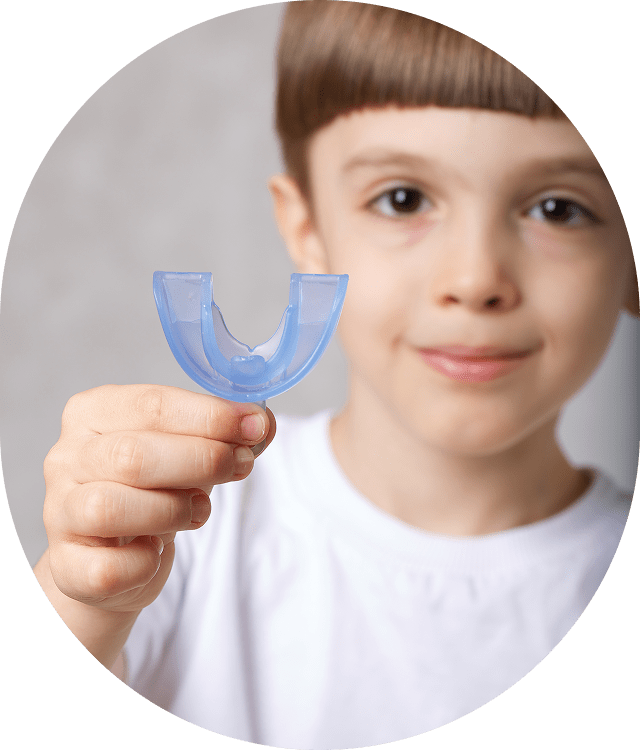
Our dental professionals design mouthguards that are individually made to suit each patient’s teeth and bite. This personalised fit is intended to support comfort, speech, and jaw position, and may provide a more precise fit than generic, store-bought options.
Designed to Support Oral Health
Mouthguards are created to help reduce the risk of damage to teeth and soft tissues during sports or grinding. By tailoring the design, we aim to provide a device that supports comfort and oral function without compromising everyday dental health.
Durable, Dental-Grade Materials
We use widely recognised dental materials chosen for durability and long-term use. Options are suited for both sports and grinding. Materials are selected for reliability and intended for regular use over time.
Guidance and Ongoing Care
From consultation to follow-up, our team provides clear instructions for safe use and maintenance. Patients are given professional support to help them use their mouthguard effectively, with advice available if adjustments or ongoing care are needed.
Are You a Candidate for Nightguards?
- Some people who clench or grind their teeth at night may notice jaw tightness and soreness the next morning.
- Grinding can contribute to tooth wear, flattening, or small chips, and your dentist can help assess the cause.
- Clenching or grinding can sometimes cause morning headaches, but other factors might also be involved.
- Dentists may observe enamel wear, jaw muscle tenderness, or other indicators of bruxism.
Everyday Benefits of Wearing a Nightguard
- It may help protect enamel from grinding forces that contribute to tooth wear, chipping, and erosion.
- Wearing a nightguard may reduce strain on the jaw and ease facial tension or discomfort for some people.
- Nightguards may assist in reducing morning discomfort or headaches that can be associated with clenching or grinding.
- It may improve comfort during sleep by reducing the effects of nighttime grinding.
Ready to Get Started with Nightguards?
Protect your smile with a custom-fit nightguard from Crown Holistic Dental in Joondalup. Our team can check for signs of clenching or grinding and provide a mouthguard designed to support your long-term oral health.
What Happens During a Nightguard Appointment
Comprehensive Dental Assessment
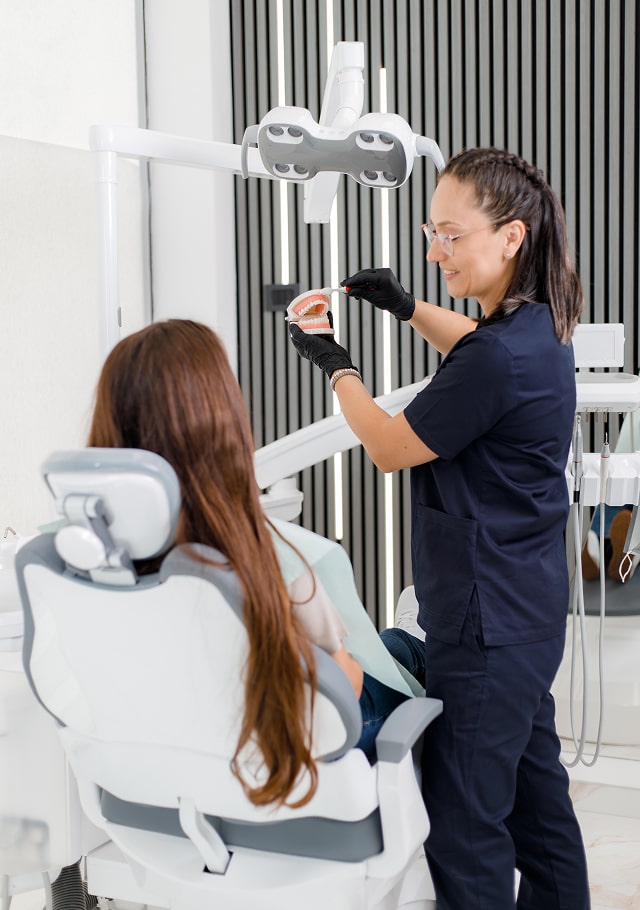
Your appointment begins with a thorough oral examination of your teeth, bite, and jaw joints. Your dentist will check for signs of clenching or grinding to determine whether custom nightguards may help reduce the risk of further wear or discomfort.
Taking a Dental Impression or Digital Scan
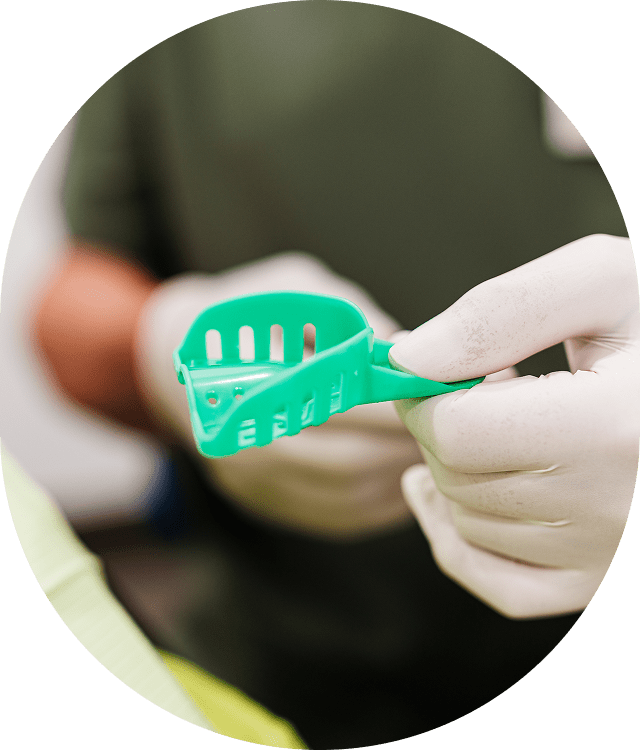
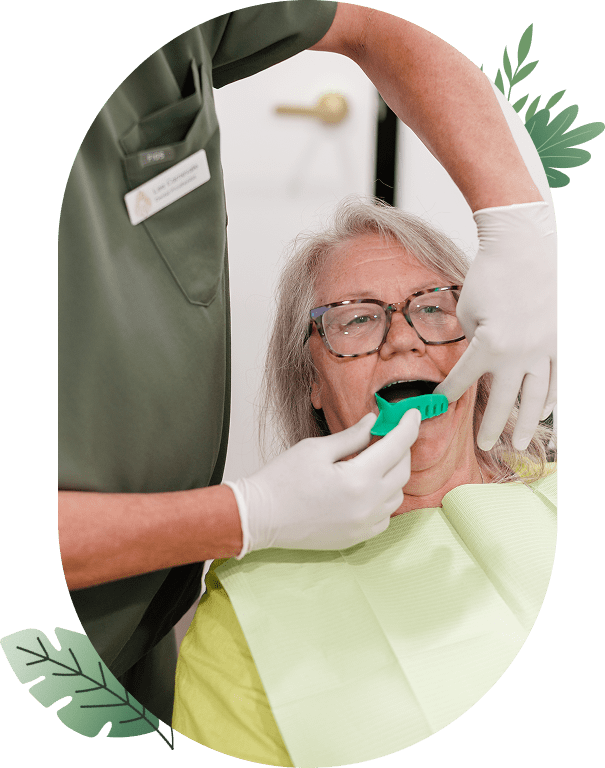
If a nightguard is suitable, your dentist will take an impression or scan. The scan records your bite and jaw alignment to create a custom-fitted appliance that protects your teeth and may help reduce the impact of clenching or grinding while you sleep.
Custom Nightguards Fabrication
Your dental records are sent to a lab where your nightguard is fabricated to your specifications. It’s designed to fit comfortably and support your jaw by creating a barrier that helps reduce the effects of grinding or clenching while you sleep.
Final Fitting and Care Instructions
At your follow-up visit, your dentist will check how the nightguard fits and adjust it if needed. You’ll receive instructions for wearing, cleaning, and proper storage to help the nightguard remain effective and comfortable for long-term use.

Frequently Asked Questions
How do I know if I need a nightguard?
Some people who clench or grind their teeth at night may experience morning jaw discomfort or headaches, although other causes are also possible. A dentist can assess whether a nightguard is appropriate. Custom nightguards may help protect enamel and may help reduce jaw strain.
A dentist may suggest a nightguard after noticing:
- Worn or flattened teeth may indicate grinding; your dentist can assess the cause.
- Cracks or chips in teeth or dental work and jaw clenching at night may contribute to small fractures; your dentist can evaluate
- Morning headaches or facial tension may be associated with clenching or grinding, although other causes are also possible.
- The patient may experience jaw stiffness or discomfort. Some people notice tightness upon waking; a dentist can assess this.
- Popping or clicking in the jaw may be related to jaw-joint movement; therefore, a dentist should assess these symptoms.
- Increased sensitivity to hot or cold temperatures may occur when enamel is worn; your dentist can investigate further.
What are the signs of clenching or grinding during sleep?
Clenching or grinding (bruxism) often happens unconsciously during sleep. Only a dentist can confirm whether a nightguard or other management is appropriate. Some signs that may lead a dentist to investigate possible clenching or grinding include:
- The discomfort in the jaw during the morning is one such sign. Some people notice their jaws clenching at night or fatigue after sleep.
- Headaches and jaw muscle activity may be associated with tension around the temples, though there are many other possible causes.
- Tooth sensitivity to heat, cold, or pressure may be linked to enamel wear.
- Worn, flattened, or chipped teeth, as well as changes in shape, may occur gradually; a dentist can assess the possible causes.
- Cracks or looseness from clenching may contribute to small fractures or mobility in teeth.
- Bite changes or chewing discomfort. Some people notice that their bite feels different; a professional should assess this.
- Clicking or popping in the jaw may be related to jaw-joint movement and requires a dental assessment.
- Sleep disruption or partner reports. Some people learn of grinding when a partner notices sounds at night.
Are nightguards appropriate to wear every night?
Yes, nightguards (also known as occlusal splints or mouthguards for bruxism) are generally considered appropriate for regular nightly use when custom-made and professionally monitored. They are commonly prescribed to help protect teeth from wear and may help reduce jaw strain. However, while they help minimise tooth wear, their ability to reduce grinding can vary from person to person.
A randomised controlled trial published in the Journal of Oral & Facial Pain and Headache found that occlusal splints did not significantly reduce bruxism at a group level, but individual patients still experienced protective benefits. The study concluded that splints should be prescribed based on individual needs, particularly for their role in preventing dental wear, rather than assuming they will universally reduce grinding.
How much does a custom nightguard cost?
The cost of a nightguard can vary depending on several important factors. Understanding these can help you make informed decisions about your procedure and budget. Inducements must state the terms and conditions (T&Cs) in the ad itself.
- Material type:
Hard acrylic nightguards usually cost more than soft or dual-laminate versions due to their durability. - Custom fitting:
The price includes dental impressions or scans to achieve a precise and comfortable fit. - Lab fabrication:
Each nightguard is made in a dental lab, and costs can vary based on the materials and techniques used. - Dentist’s time:
The fee covers the dentist’s assessment, fitting, and any necessary adjustments. - Clinic location:
Prices may vary between metro, regional, and rural areas due to differences in operating expenses.
Can a nightguard stop my teeth from shifting?
A nightguard is designed to protect teeth from grinding or jaw clenching at night during sleep, but it is not intended to prevent tooth movement.
- What it can do:
A custom nightguard reduces pressure on teeth, supporting bite stability and preventing dental wear over time. In some cases, it may help limit forces that contribute to minor movement, particularly when teeth are already unstable. - What it can’t do:
A nightguard doesn’t hold teeth in position like retainers. They won’t prevent shifting caused by ageing, tooth loss, or post-orthodontic relapse.
If you’re concerned about tooth movement after an orthodontic procedure, your dentist may recommend a retainer to address it. They can assess your bite and suggest the most suitable option.
What happens if I skip wearing my nightguard for one night?
Occasionally, skipping your guard may not cause significant issues, but you could notice some temporary discomfort the next day.
- You may wake up with jaw soreness or tightness.
- Some people experience next-day jaw tightness, headaches, or tooth sensitivity when they skip wearing a nightguard.
- Teeth may feel more sensitive due to direct contact with other teeth.
- If you regularly wear a night guard, skipping it may affect your comfort while you sleep.
While missing one night is usually not a concern, consistent use is recommended to manage symptoms and protect your teeth over time.
How long does it take to get used to sleeping with a nightguard?
Wearing a nightguard may feel uncomfortable at first, particularly in the early stages. Some people find it uncomfortable at first; with regular use, many adapt. If discomfort continues, your dentist can adjust the fit.
- Initial discomfort:
You may notice an increase in saliva, a slight gag reflex, or pressure on your teeth during the first few nights. - Improved comfort over time:
As your mouth adapts, the nightguard will feel more natural and less distracting. - Custom fit helps ease adjustment:
A close, professional fit may make adaptation easier than some over-the-counter options; experiences vary.
If discomfort persists for more than two weeks or affects your sleep, consult your dentist. Minor adjustments can improve fit and comfort.
Are there different types of nightguards available at Crown Holistic Dental?
Yes, dentists offer different types of nightguards to suit varying levels of teeth grinding during sleep and jaw tension.
- Hard acrylic nightguards are often chosen for heavier grinding; your dentist will determine suitability, including for jaw-joint concerns.
- Soft nightguards, made from a flexible, rubber-like material, are ideal for mild cases of bruxism. It offers comfort but may wear out faster than more rigid or durable guard types.
- Dual-laminate nightguards. These combine a soft inner layer with a rigid outer shell, offering both comfort and durability. They’re suitable for moderate grinding and clenching.
- Custom splints may be recommended for jaw-joint concerns to support function and comfort; your dentist assesses suitability.
Each type of nightguard is custom-made to fit your bite, helping improve comfort and function during sleep.
What are the drawbacks of wearing a nightguard?
Nightguards can be helpful for many people, but some experience initial bulkiness or extra saliva. Over-the-counter guards may not fit well and can feel uncomfortable for some users.
- Initial discomfort or tightness:
The night guard may feel bulky or unfamiliar at first, but most people adapt to it with regular use. - Changes in saliva flow:
Some people notice an increase in saliva as they adjust to the appliance. - Adjustment period during sleep:
It can take some time to get accustomed to wearing a nightguard while sleeping, which may temporarily affect your comfort and sleep quality. - Fit or wear issues over time:
The nightguard may need adjustment or replacement if your bite changes or the material wears down. - Irritation from over-the-counter options:
Store-bought nightguards may not fit properly and can cause discomfort or worsen symptoms in some cases.
When your dentist professionally makes and regularly reviews the nightguard, these effects are less common.
How do I clean and care for my nightguard?
Keeping your nightguard clean and stored correctly improves its comfort and lasting durability. Consistent care, as part of holistic dental care at Joondalup, can help prevent odour, bacterial buildup, and gradual material wear.
Daily Care
- Rinse your night guard under cool or lukewarm water as soon as you take it off in the morning.
- Use a soft toothbrush and mild soap or a dentist-recommended cleaner. Avoid gritty or whitening toothpastes, as they can damage the mouthguard’s surface.
- Let your night guard air dry completely before storing it to prevent moisture-related bacterial growth.
Weekly or Deep Cleaning
- Use a non-alcohol-based denture cleaner or a cleaning tablet. Follow the product instructions and rinse well after soaking.
- Refrain from using bleach, alcohol, or boiling water, as these can damage the nightguard and irritate your mouth.
Storage and Maintenance
- Use a clean, dry container with airflow to prevent bacterial growth and protect the appliance.
- Have your dentist inspect your nightguard regularly for wear, plaque buildup, or changes in fit.
If your nightguard becomes discoloured, warped, or uncomfortable, contact your dentist about a replacement or professional cleaning.
How often should I replace a nightguard?
The lifespan of a nightguard depends on its material, how often it’s used, and how well it’s maintained. Replacement timing depends on material, wear and fit. Your dentist can advise when to replace your nightguard.
- Hard nightguards (custom-made) usually last for years, depending on the severity of grinding and care.
- Softer or dual-laminate nightguards often wear out within 6–12 months, necessitating frequent replacement.
- A nightguard should be replaced if it becomes damaged, uncomfortable, poorly fitting, or shows signs of wear, especially with regular use.
Is a nightguard uncomfortable to wear?
A custom-made nightguard is designed to fit closely. Comfort varies; adjustments can improve fit. Designs can be low-profile in some areas, but your experience may differ from over-the-counter options.
- Precision fit:
Custom nightguards are precisely shaped to your exact bite, so they stay in place without creating pressure points or shifting during sleep. - Low-profile design:
Unlike bulkier over-the-counter options, professionally made guards are designed to be thinner in areas that don’t need reinforcement, helping reduce the feeling of bulk. - Material choice:
Softer guards may feel more flexible, while firmer designs can provide more durability without sacrificing comfort.
Fund My Dental