
Children’s Myofunctional Therapy in Joondalup for Healthy Growth
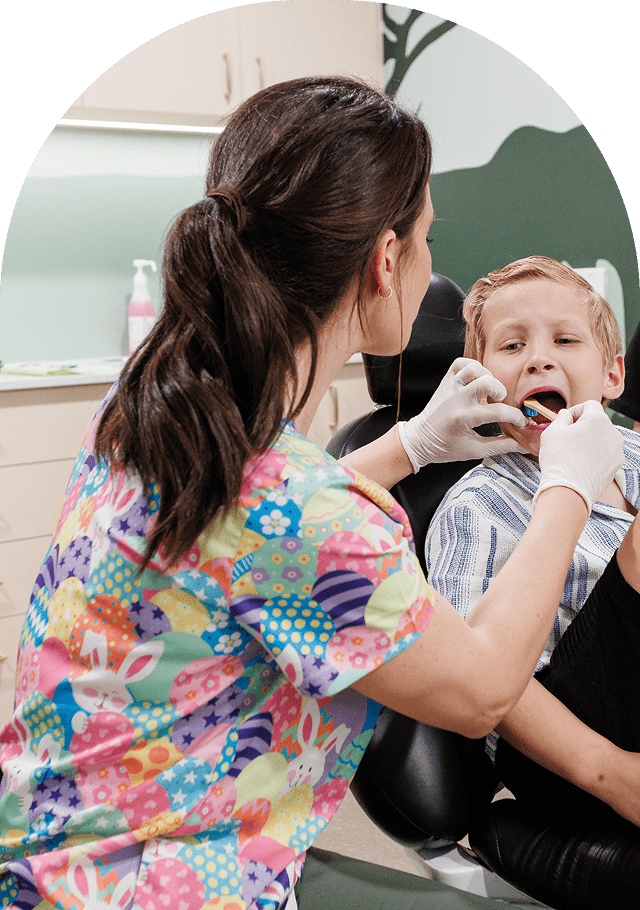
At Crown Holistic Dental, we provide children’s myofunctional therapy in Joondalup, supporting oral habits and functional development in a comfortable, child-friendly environment tailored to each child’s needs.
How Myofunctional Therapy Supports Growing Smiles
Habits like child mouth breathing and thumb sucking are common in young children and may affect oral function or speech development if left unaddressed. Over time, these behaviours can become long-term patterns that are harder to change and may contribute to oral challenges.
At Crown Holistic Dental, oral myofunctional therapy in Joondalup supports children through tailored, age-appropriate exercises that focus on tongue posture and oral function.
Why Choose Crown Holistic Dental for Children’s Dentistry
Creating Comfortable Dental Visits
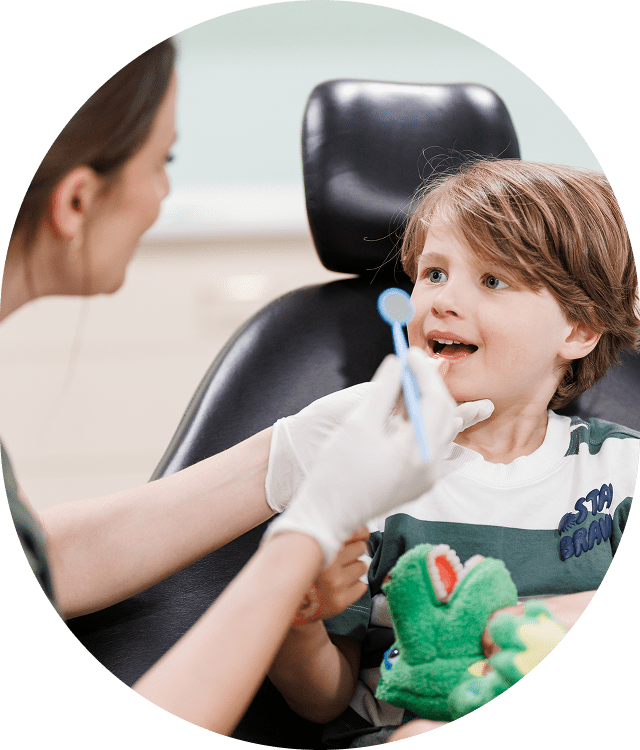
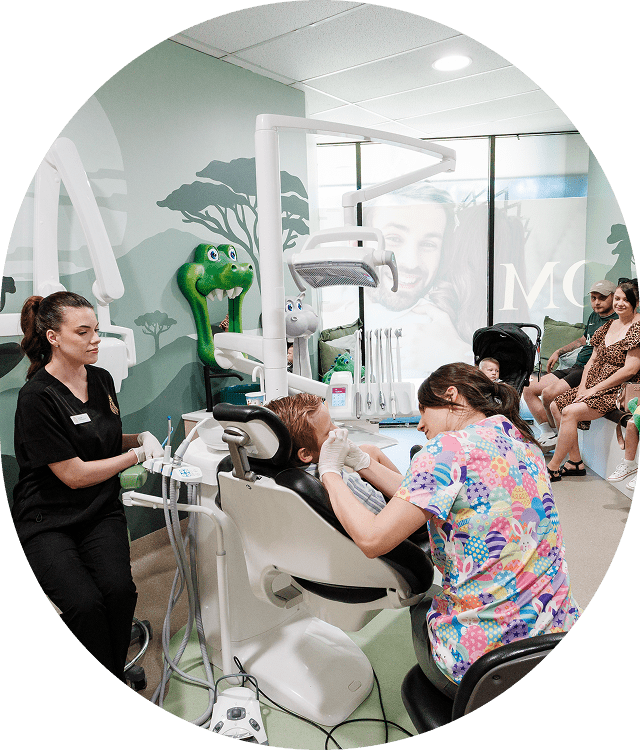
We aim to make dental visits calm and child-friendly. Using clear explanations and good communication, our team works to help children feel at ease. This supportive approach encourages familiarity with oral care and helps children gradually adjust to receiving dental treatment as they grow.
A Patient-Focused Approach for Young Smiles
Every child is different, so we adapt techniques to suit their age and comfort level. With a calm and patient approach, we strive to provide care that is considerate and supportive of your child’s developing oral health.
Partnering With Parents
Parents are central to every stage of care. We explain findings clearly, provide practical advice for home routines, and involve families in decision-making. This collaborative approach supports families in maintaining their children’s oral health.
Prevention From the Start
Preventive care is the foundation of children’s dentistry. Through check-ups, patient education, and preventive treatments such as fissure sealants, we aim to identify and address issues early. This may help reduce the likelihood of needing complex treatments and can support long-term oral health.
Signs a Child May Need Myofunctional Therapy
- Chronic mouth breathing during rest or sleep may be linked to oral habits that affect breathing and posture.
- Persistent thumb sucking or dummy use beyond toddler years may contribute to changes in bite alignment or jaw position.
- Low tongue posture may contribute to challenges with speech, swallowing, or oral function.
- In these cases, children’s myofunctional therapy in Joondalup may assist in guiding healthier oral habits.
Benefits of Early Myofunctional Intervention
- Encourages awareness of nasal breathing and helps guide children toward developing healthier oral habits.
- Focuses on tongue posture and oral function in children through age-appropriate exercises tailored to their needs.
- May assist with oral functions such as swallowing, chewing, and speech clarity by supporting muscle awareness.
- Our paediatric myofunctional treatment in Joondalup is designed to encourage healthier habits and functional development.
Book Your Child’s Myofunctional Therapy Assessment Today
Early signs like mouth breathing or low tongue posture may point to oral habits needing professional attention. Book an assessment at Crown Holistic Dental to discuss whether children’s myofunctional therapy in Joondalup is appropriate for your child.
How Myofunctional Therapy Sessions Are Structured for Children
Initial Assessment and Observation
We begin with an assessment of your child’s oral habits, breathing patterns, and tongue posture. This helps determine whether myofunctional therapy for kids may be appropriate. The findings guide a personalised care plan that reflects the child’s abilities and identified areas of concern.
Goal Setting and Custom Planning
Based on the initial evaluation, a care plan is created to support oral function and tongue posture in children. Activities are tailored to the child’s age and motor skills, with adjustments made over time to address habits such as open-mouth posture or swallowing patterns.
Engaging Therapy Sessions
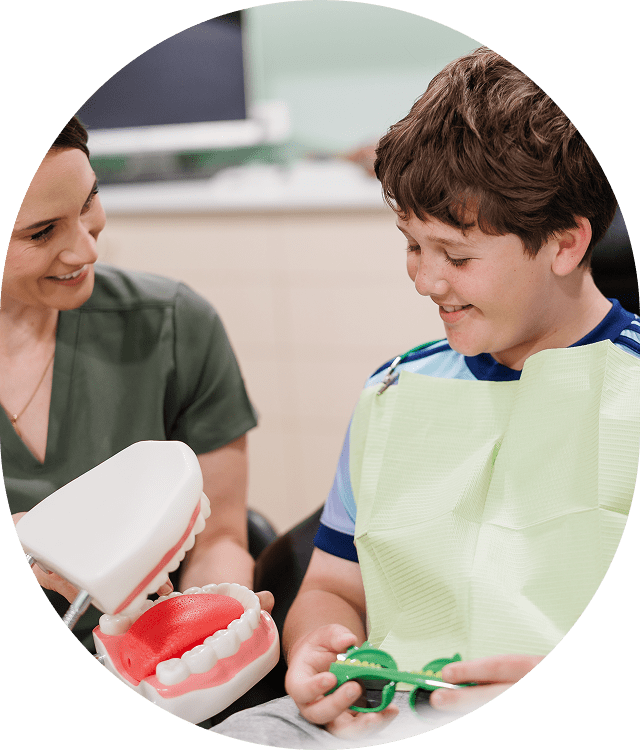
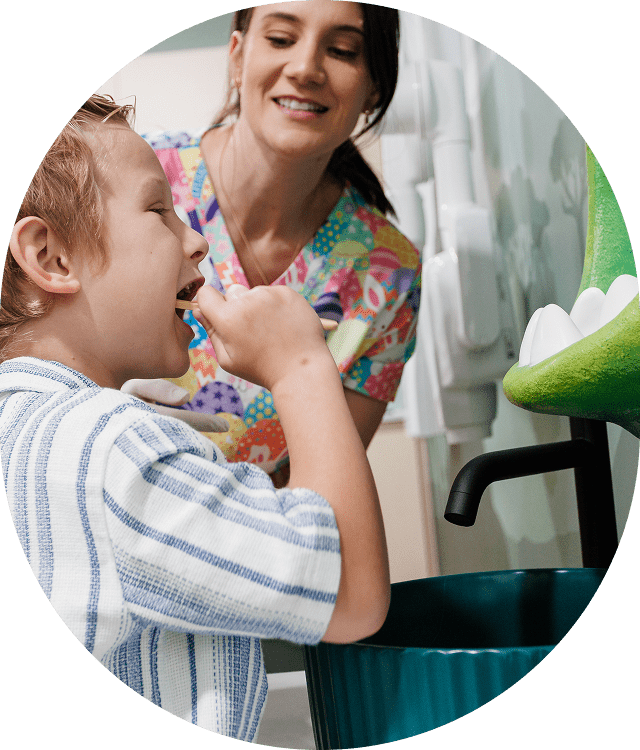
Children take part in fun, age-appropriate activities designed to build awareness of lip seal, nasal breathing, and tongue posture. Parents are encouraged to support home practice, which reinforces consistency, helps strengthen emerging habits, and provides ongoing opportunities for children to apply new skills in daily life.
Monitoring Progress and Home Support
Progress is reviewed regularly, and exercises are adjusted to suit your child’s development. We provide practical home strategies to encourage practice between visits. Our approach to oral myofunctional therapy in Joondalup is collaborative, helping families support functional awareness and maintain healthier oral habits over time.

Frequently Asked Questions
What is myofunctional therapy, and how does it work for kids?
Myofunctional therapy for kids is a clinician-guided program that focuses on oral habits and functional awareness involving the face, tongue, and mouth. It targets habits such as mouth breathing, low tongue posture, and uncoordinated swallowing that may affect oral function, speech, and bite development.
In children, myofunctional therapy typically involves a structured program of age-appropriate exercises. These exercises are introduced gradually and may focus on the following:
- Nasal breathing
encourages awareness of breathing through the nose, which may support healthier oral habits. - Lip seal
involves gently keeping the lips together at rest, supporting awareness of oral posture. - Tongue posture
focuses on guiding the tongue to rest near the palate, encouraging consistent oral positioning.
The aim of therapy is to encourage healthier oral habits and movement patterns. All treatment is provided by trained professionals and is tailored to each child’s individual needs, preferences, and stage of development.
At what age can a child begin myofunctional therapy?
Children can often begin myofunctional therapy for kids between the ages of four and eight, depending on their stage of development and individual needs. An early assessment can help identify concerns such as mouth breathing, low tongue posture, or irregular swallowing patterns.
Treatment may start when a child is able to follow basic instructions, complete simple exercises, and actively participate during sessions. Younger children not yet ready for full treatment may benefit from early guidance in developing breathing awareness and tongue posture. Each child is assessed individually to determine the most appropriate timing and approach.
What concerns or habits does myofunctional therapy help address?
Myofunctional therapy focuses on oral habits in children, such as mouth breathing, and considers muscle patterns that may influence oral function. Some common concerns may include:
- Mouth Breathing:
Often associated with changes in oral posture, muscle fatigue, or dryness in the mouth. - Low Tongue Posture:
A low resting tongue posture may affect oral muscle tone and contribute to changes in swallowing or speech. - Uncoordinated Swallowing:
Occurs when the tongue and jaw do not work together effectively, which may impact chewing or speech clarity. - Tongue Thrusting:
Involves the tongue moving forward against or between the teeth during swallowing or speech, which may affect bite position. - Open-Mouth Posture:
May be observed with reduced lip seal, oral muscle fatigue, or altered oral posture. - Thumb Sucking and Dummy Use:
When these habits continue beyond early childhood, they may place pressure on the teeth or jaws and influence oral alignment.
These habits are often observed alongside changes in bite, speech, or breathing patterns. Myofunctional therapy aims to support awareness and development of oral habits through age-appropriate exercises and clinician guidance.
How long does it take to see changes from therapy?
The length of myofunctional therapy and the pace of progress vary for each child, depending on their needs, age, and participation. Some children may show early signs of increased awareness of oral habits, while others may progress more gradually over time.
The development of functional habits often requires consistent practice, and progress can differ significantly between individuals. Treatment plans are reviewed and adjusted to suit each child’s stage of development and level of participation.
What are the key goals of myofunctional therapy?
Myofunctional therapy focuses on supporting healthier oral habits and improving awareness of muscle use through age-appropriate exercises and guided techniques. The program targets habits that may be linked to swallowing, breathing patterns, and oral posture during key stages of growth.
- Encouraging Proper Tongue Posture:
Children are guided to rest the tongue near the palate instead of low in the mouth or between the teeth, supporting awareness of consistent oral posture. - Improving Nasal Breathing Patterns:
Encourages awareness of nasal breathing as an alternative to mouth breathing. - Establishing a Closed-Lip Resting Posture:
Focuses on keeping the lips gently together at rest without tension. - Refining Swallowing Technique:
Uses exercises to build awareness of tongue and lip movements during swallowing. - Addressing Habitual Oral Behaviours:
Includes strategies to help phase out habits such as thumb sucking or prolonged dummy use. - Promoting Long-Term Functional Patterns:
Encourages consistent oral habits that may support functional patterns over time.
At Crown Holistic Dental, we provide age-appropriate paediatric myofunctional treatment in Joondalup, with care tailored to each child’s age and individual needs.
What exercises are included in myofunctional therapy?
Myofunctional therapy uses targeted exercises that engage the tongue, lips, cheeks, and jaw to support awareness of oral function and breathing patterns. Exercises are tailored to each child’s presentation and may be adjusted based on progress and clinical observation.
They focus on reshaping muscle use patterns that may be linked to swallowing, speech issues, or inefficient oral habits. Examples include:
- Tongue Elevation Exercises
Activities guide the tongue towards the palate during rest and swallowing, supporting awareness of oral positioning. - Lip Seal Exercises
Children practice gently closing their lips while breathing through the nose, focusing on lip posture awareness. - Cheek and Jaw Coordination
Controlled movements build awareness of muscle use during speaking, chewing, or smiling. - Nasal Breathing Awareness
Exercises encourage awareness of airflow through the nose rather than the mouth, supporting functional breathing patterns. - Swallowing Pattern Retraining
Children practise tongue and lip movements during swallowing to develop awareness of coordination. - Habit Reduction Techniques
Exercises may target habits such as thumb sucking or dummy use, with strategies adapted to the child’s age and needs.
At Crown Holistic Dental, our approach to oral myofunctional therapy in Joondalup is tailored to each child’s needs. We guide families through home-based routines that support consistency between sessions and encourage the development of healthier oral patterns.
Who is a candidate for myofunctional therapy in children?
Myofunctional therapy may be considered for children who exhibit oral habits or muscle patterns. These may be linked with oral function, posture, or swallowing. An assessment is required to determine whether treatment is appropriate.
Children may be considered candidates when they exhibit the following characteristics:
- Mouth breathing during rest or sleep, which may be associated with changes in oral posture and muscle use.
- Low or forward tongue posture observed during swallowing, speaking, or at rest, which may influence oral muscle tone and swallowing function.
- Uncoordinated swallowing patterns, such as tongue thrusting or facial tension, which may impact chewing, swallowing, or speech clarity.
- Speech difficulties involving tongue, lip, or facial muscle coordination, where therapy may support awareness of oral function.
- Thumb sucking or dummy use that continues beyond early childhood, which may place pressure on teeth or jaws.
- Orthodontic concerns that may be influenced by muscle tone, posture, or swallowing patterns. These factors are sometimes considered in orthodontic treatment planning.
A dental professional will assess each child’s developmental stage and oral function. They will also consider the individual presentation before determining whether myofunctional therapy may be suitable as part of a broader care plan.
What signs suggest a child may benefit from therapy?
Certain physical or behavioural signs may suggest that a child could be considered for myofunctional therapy. These signs are often linked to oral posture, breathing function, or muscle coordination. Examples may include the following:
- Chronic Mouth Breathing:
Persistent mouth breathing during rest or sleep is often associated with changes in oral posture and reduced muscle function. - Open-Mouth Posture:
When the lips remain open at rest, this may be linked to reduced muscle tone or habitual mouth breathing. - Visible Tongue Thrusting:
Tongue thrusting during swallowing or speech may place pressure against or between the teeth. - Snoring or Noisy Breathing During Sleep:
This may be associated with open-mouth posture or low tongue posture. - Messy Eating or Chewing Difficulty:
Difficulty chewing or frequent spillage of food may reflect challenges with chewing coordination or jaw posture. - Speech Challenges:
Some difficulties with certain speech sounds may be associated with tongue or lip positioning. - Thumb Sucking or Dummy Use:
When these habits continue beyond toddler years, they may place pressure on developing teeth and oral structures.
A clinical consultation can help explore these signs and determine whether myofunctional therapy may be considered as part of a broader care plan.
What is the difference between myofunctional therapy and speech therapy?
Myofunctional therapy and speech therapy serve different but complementary roles in supporting oral function and communication. The table below outlines key differences between the two approaches:
| Aspect | Myofunctional Therapy | Speech Therapy |
| Primary Focus | Muscle function and oral posture | Communication, articulation, and language use |
| Target Areas | Tongue, lips, cheeks, jaw | Tongue, lips, vocal cords, and cognitive-linguistic processes |
| Goals | Encourage awareness of nasal breathing, tongue posture, swallowing patterns, and oral habits | Support pronunciation, language structure, fluency, and expressive/receptive communication |
| Common Concerns Addressed | Patterns such as mouth breathing, low tongue posture, uncoordinated swallowing, or persistent oral habits | Delayed speech, unclear articulation, stuttering, and difficulties with word formation |
| Treatment Approach | Targeted oral exercises to support awareness of muscle use and oral function | Structured communication-based interventions for speech and language development |
| When Combined | May be considered when oral muscle patterns are linked with speech or orthodontic concerns | May be recommended when oral function affects language clarity or communication skills |
In some cases, both treatments may be integrated into a care plan, depending on clinical assessment and the child’s individual needs.
Can therapy improve tongue posture and oral habits?
Yes, myofunctional therapy may be considered to support awareness of tongue posture and oral habits in children. It involves structured exercises and guided behavioural techniques that focus on breathing, swallowing, and oral function.
Exercises may include practices that encourage awareness of tongue resting position, nasal breathing, and lip closure, supported by home routines. Therapy may also include strategies to help children reduce habits such as thumb sucking, tongue thrusting, or open-mouth posture, depending on individual needs.
Outcomes vary for each child, but the goal is to encourage functional oral patterns that may support oral awareness and daily habits.
How does Crown Holistic Dental integrate myofunctional therapy with dental care?
At Crown Holistic Dental, children’s myofunctional therapy in Joondalup is offered as part of an individualised approach to care. During assessment, we consider oral habits, breathing patterns, tongue posture, and overall oral development, in addition to the condition of the teeth.
If appropriate, treatment may be considered alongside dental care where oral habits, breathing patterns, or swallowing function are relevant. Exercises and home strategies are tailored to each child’s age, ability, and development.
Progress is reviewed regularly, and the treatment plan is updated as needed. The aim is to encourage consistent oral patterns that align with each child’s individual circumstances.
What is the connection between tongue posture and dental development?
Tongue posture is often associated with oral muscle use and oral function during growth. When the tongue rests against the palate, it may encourage consistent oral posture and awareness of muscle use.
Some research has explored links between tongue resting position and oral function, though outcomes can vary. In contrast, a low tongue posture—where the tongue rests on the floor of the mouth—may be associated with different oral muscle patterns.
These posture-related behaviours are often observed in children, with habits such as mouth breathing, tongue thrusts, or an open-mouth resting posture. Early assessment may help identify these patterns and guide management approaches that support oral function.
Fund My Dental