
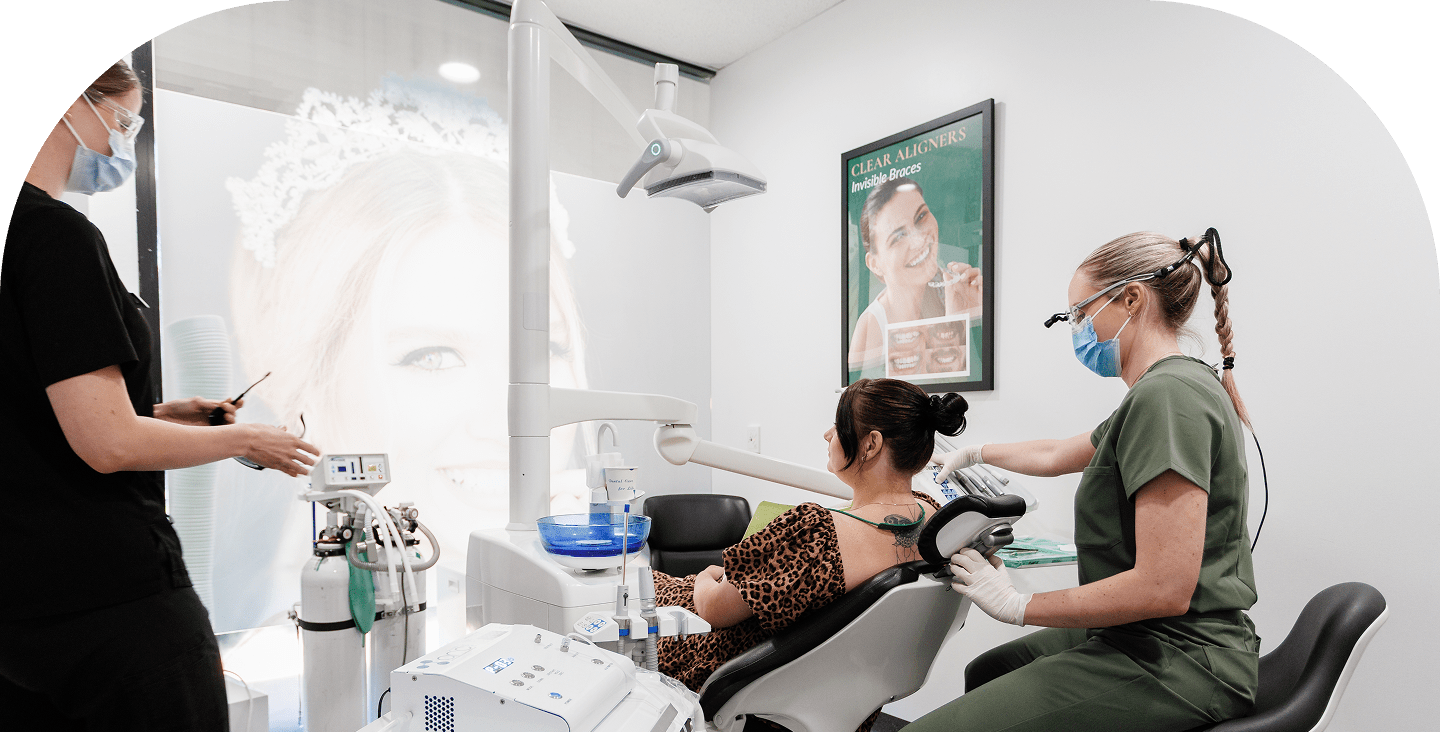


Urgent Dental Care Through Emergency Dentistry
in Joondalup
Dental emergencies can happen anytime. Emergency dentistry in Joondalup provides professional guidance and timely care to help you navigate sudden dental discomfort.
Prompt, Professional Care for Dental Emergencies
Experiencing sudden dental discomfort can leave you feeling helpless, especially when you’re unsure if it needs urgent attention. The concern may feel greater if the emergency arises outside regular clinic hours or on weekends.
Our clinic offers access to same-day dental appointments in Joondalup, where available, to assess urgent concerns. Whether it’s pain, swelling, or trauma, our team will discuss your options and guide you through the next steps of your care.
Why Patients Choose Crown Holistic Dental in Emergencies
Timely Support for Urgent Needs
We offer priority emergency appointments to address dental issues quickly and support planning for follow-up care. Our team focuses on immediate management while outlining the next steps required for ongoing treatment.
Management of Dental Emergencies
Emergencies may involve toothache, chipped teeth, or swelling. Our clinicians assess each case and provide treatment options suited to the patient’s needs. Care is focused on addressing the urgent concern while supporting oral health in the broader context of each individual’s circumstances.
Clear Communication Throughout Care
During urgent care, we explain each stage of treatment clearly and provide updates along the way. This helps patients understand available options and make informed decisions. Our approach is to explain treatment clearly and provide care in a professional, patient-centred way
Planning Beyond Immediate Care
Emergency treatment is often the beginning of a broader treatment plan. We assess underlying causes and explain recommended follow-up, including preventive or restorative options where suitable. This helps patients address both the urgent concern and longer-term oral health needs, with guidance tailored to their circumstances.
Common Dental Emergencies We Help Manage
Our clinic offers timely evaluation for patients seeking toothache relief in Joondalup, helping identify causes and outlining suitable treatment options.
Experiencing a broken tooth emergency in Joondalup? We assess the severity, manage immediate concerns, and outline suitable restorative treatment options.
A knocked-out tooth is an urgent dental trauma in Joondalup. Early assessment may support surrounding tissues and guide possible replantation treatment.
Swelling may indicate infection or dental trauma, which requires prompt evaluation, as unaddressed cases may lead to complications.
Dislodged fillings or crowns may weaken a tooth and risk fracture. Evaluation allows discussion of timely restoration and treatment needs.
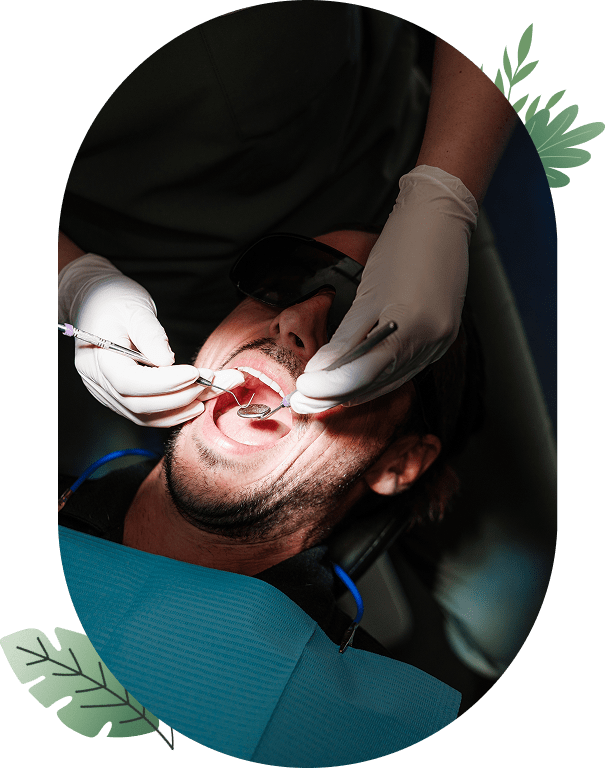
Don’t Wait— Get the Dental Care You Need
For urgent needs like toothaches, swelling, or trauma, same-day dental appointments in Joondalup may be available. Care options are discussed based on the patient’s condition and appointment availability at the time.
Step-by-Step Emergency Support
Immediate Phone Assessment:
Call us as soon as you notice a problem. Our team will ask about your symptoms, when they started, and whether you’re in pain. This initial conversation helps us assess the urgency and determine if you need a same-day appointment in Joondalup or immediate support where available.
Appointment Arrangements:
If your situation requires urgent dental care in Joondalup, a same-day appointment may be offered depending on scheduling. In some circumstances, advice on how to manage symptoms before arriving at the clinic can also be provided, helping you understand what steps to take while waiting for professional assessment.
In-Clinic Examination Process:
During your appointment, the dentist will carefully examine the area of concern—whether you're experiencing pain, swelling, or visible trauma. A combination of history taking, visual inspection, and digital imaging helps identify the cause. From there, your dentist will recommend an appropriate course of action according to your needs.
Treatment Options Discussion:
Once your situation has been assessed, your dentist will explain their findings and outline the treatment options available. This discussion may cover what can be addressed immediately, as well as any recommended follow-up appointments, so you have clear information about both short-term management and longer-term care considerations.

Frequently Asked Questions
What is considered a dental emergency?
Dental pain can occur at unexpected times, and it’s not always easy to know whether the situation requires urgent attention. Understanding the signs of a possible dental emergency can help you decide when to contact a dentist for advice or assessment.
- Severe toothache or persistent pain
A throbbing or ongoing toothache may indicate an underlying dental concern, such as decay that has reached deeper layers of the tooth. If not assessed, this may increase the risk of further issues like infection. - Knocked-out tooth
A tooth that has been fully dislodged requires immediate care—ideally within an hour—to give it a chance of remaining functional. Waiting too long can make replantation unsuccessful. - Cracked, chipped, or broken tooth (with pain or sensitivity)
Damage that exposes the inner layer of the tooth can be painful and leave it vulnerable to infection. Even small cracks can worsen over time if ignored. - Swelling in the face or jaw
Swelling—especially when accompanied by fever or difficulty swallowing—can be a sign of a serious infection. This can quickly become a medical emergency if it spreads. - Dental abscess (build-up of pus due to infection)
An abscess often causes intense pain, swelling, and a bad taste in the mouth. Without appropriate action, the infection can spread to other parts of the body. - Uncontrolled bleeding after dental work or injury
While slight bleeding is normal after dental procedures, persistent bleeding could indicate a complication. If it doesn’t slow down despite the application of pressure, it should be assessed urgently. - Lost filling, crown, or appliance (with discomfort or sensitivity)
Dislodged or missing restorations can leave your tooth vulnerable, causing pain and increasing its susceptibility to further damage or decay.
If you are unsure whether your situation is a dental emergency, contacting the clinic for advice can help. A dentist can assess your symptoms and recommend whether urgent care may be needed.
Will a dentist see me on the same day for an emergency?
If you’re facing a dental emergency, please call as early as possible so our team can assess your needs. Same-day care may be possible, but it depends on the type of emergency and the day’s appointment schedule. The initial visit may involve managing immediate symptoms and assessing the issue, with follow-up care arranged if needed.
If you’re unsure whether it’s an emergency, it’s still important to get in touch. Our team can guide you on the next steps and provide timely support that may help reduce stress and manage urgent dental issues.
What should I do for extreme tooth pain?
When tooth pain becomes sharp, throbbing, or persistent, it may suggest the need for dental assessment. Temporary measures may help ease discomfort, but treatment usually requires addressing the underlying cause. Our clinic provides access to toothache relief in Joondalup through appropriate care options discussed during your appointment.
Here’s what you can do if you’re experiencing intense dental pain:
- Contact the dental clinic as soon as possible:
Severe pain often indicates an underlying issue that requires professional care, such as a cavity or infection. Even if you’re unsure how urgent it is, it’s always a good idea to call the clinic and explain your symptoms. The clinic leaves space in our schedule for urgent concerns. - Use over-the-counter pain relief (if appropriate):
Medications can help alleviate discomfort, especially while waiting for your appointment. Always follow the dosage instructions, and consult your doctor if you’re unsure about what’s safe for you. - Apply a cold compress:
Place a cold pack on your cheek for 10–15 minutes at a time to help ease swelling or discomfort. - Avoid anything that makes the pain worse:
Eat soft foods and refrain from chewing on the affected side. Hot, cold, or sugary items can trigger sensitivity, so it’s better to avoid them until you’ve been assessed. - Skip DIYs:
Temporary relief options from the pharmacy may help alleviate minor discomfort, but they’re no substitute for a dentist’s care. Avoid home remedies or makeshift repairs—they can often do more harm than good.
If tooth pain is interfering with daily activities or sleep, arranging an appointment with your dentist is recommended. Even if symptoms lessen on their own, an assessment remains important, as some conditions can return or progress. Early evaluation allows appropriate management and planning for effective care.
Is a knocked-out tooth a dental emergency?
Yes, a knocked-out tooth is a dental emergency, but how you respond depends on whether it’s an adult or baby tooth.
Taking immediate action may improve the likelihood of a better outcome, especially with adult teeth.
Knocked-Out Adult Tooth
A knocked-out adult tooth should be classified as an emergency. Acting promptly may increase the chance of the tooth being successfully replanted and retained.
Here’s what to do:
- Find the tooth and pick it up by the crown, the white part that’s normally visible in your mouth, avoiding the pointed root.
- If the tooth is dirty, rinse it gently with milk or a saline solution. Do not scrub or use tap water.
- Try placing it back into the socket and biting down gently on a soft cloth.
- If reinsertion isn’t possible, store the tooth in milk, saline, or inside your cheek.
- See a dentist or hospital emergency department immediately. The sooner professional assessment occurs, the better the chance of managing the situation appropriately.
How much does emergency dental care cost?
The cost of emergency dental care in Joondalup can vary, as it depends on several factors unique to each situation. The type and severity of the problem play a big role—addressing a chipped tooth is usually less complex than managing an infection or dental trauma.
Timing can also influence pricing, with after-hours or weekend appointments often attracting additional charges. In many cases, diagnostic tools like X-rays or scans are needed to identify the exact cause, which can add to the overall cost.
The complexity of the treatment itself—whether it’s a single visit or a staged process—along with the materials used, may also affect the price. Finally, the clinic location and whether follow-up appointments are required can all influence the total amount.
Your private health insurance or payment plan may help reduce upfront costs depending on your policy.
Is emergency dental care covered by Medicare?
Medicare typically does not cover dental care, including emergencies, unless it’s provided in a public hospital setting. Some people may be eligible for government dental schemes or emergency care through public dental clinics. Please note that eligibility requirements vary by state.
You may check with your local health service or Medicare for the most up-to-date information.
What are the signs of an infected tooth that needs urgent care?
Tooth infections can sometimes progress quickly. Recognising early signs may help you decide when to seek dental advice.
- Throbbing or persistent tooth pain:
A lingering ache that worsens when lying down or biting may be a sign of infection in or around the tooth. Pain from inflammation or an abscess can worsen over time and may spread to nearby teeth or the jaw if unaddressed. - Swelling in the face, cheek, or jaw:
Swelling in the face or neck may indicate the infection has spread beyond the tooth and needs urgent attention. If left unaddressed, it can progress quickly and, in some cases, affect your ability to breathe or swallow comfortably. - Darkening or discolouration of the tooth:
A tooth that appears grey, brown, or black may indicate nerve damage or infection and should be reviewed by a dental practitioner. - A bad taste in your mouth or persistent bad breath:
A sour taste or bad breath may indicate that pus is draining from an infected area within the mouth. Even if the pain eases temporarily, underlying issues may still require dental assessment. - Fever or feeling unwell:
If a toothache is accompanied by fever, chills, or swollen glands, it may be more than just a local issue. These symptoms suggest the infection could be spreading, which—if left unaddressed—can lead to serious complications. - A pimple-like bump on the gum near the involved tooth:
Also known as a gum boil, this may indicate that an infection is present. This small raised area can occasionally release pus or fluid. If left unaddressed, the infection may persist and, in some cases, affect surrounding dental tissues.
Dental infections rarely remain confined to their initial site and can spread to surrounding tissues or other areas of the body. If you experience any of these symptoms, contact your dentist promptly. Early intervention can help alleviate discomfort and reduce the risk of more serious complications.
Is a dental abscess an emergency?
A dental abscess is considered a dental emergency and should be taken seriously.
An abscess forms when bacteria cause an infection in or around the tooth, often resulting in a pocket of pus. This infection may lead to intense pain, swelling, a bad taste in the mouth, and—in severe cases—difficulty swallowing or breathing.
Even if pain from a dental abscess reduces for a time, this does not necessarily mean the issue has resolved. In some cases, this may indicate that the infection has extended into surrounding tissue and requires professional assessment.
A dental abscess may affect the bone or nearby teeth if not managed. In uncommon situations, the infection can spread beyond the affected area, which highlights the importance of timely care.
If you think you may have an abscess, contacting your dental clinic promptly is recommended. An early assessment allows the dentist to determine appropriate options for managing the condition.
Can I delay treatment for a broken or painful tooth?
Delaying treatment for a broken or painful tooth may increase the risk of discomfort or affect nearby teeth and gums.
The following can happen if you delay treatment:
- The problem may get worse:
A cracked, broken, or painful tooth won’t mend itself. Over time, the damage can deepen, exposing the inner layers of the tooth to bacteria. This may lead to nerve involvement or even tooth loss if left too long. - You risk developing an infection:
When bacteria enter the tooth through a crack or cavity, they can cause an infection that may spread beyond the tooth itself. In some cases, this may lead to facial swelling or more serious health complications if left unaddressed. - The damage can affect nearby teeth:
A compromised tooth may alter your chewing pattern, which over time could contribute to wear, changes in alignment, or other dental issues. - It may affect your daily life:
Even mild dental pain can interfere with eating, speaking, or sleeping. Some people may also feel self-conscious if a damaged tooth is visible. Access to toothache relief in Joondalup provides an opportunity to discuss care options that suit your situation.
Even if the pain subsides, the underlying condition may persist and continue to progress without noticeable symptoms. Certain issues, such as fractures or advanced decay, can progress rapidly and may ultimately require more complex treatment.
Seeking dental assessment at an early stage may support timely management, which could help reduce the risk of progression or complications.
How do I manage dental pain until I can see a dentist?
Dental pain can be distracting, exhausting, and difficult to manage, especially if you’re waiting for an appointment. While these tips won’t address the underlying issue, they can help you get through the day a little more comfortably:
- Take over-the-counter pain-relief medication:
These can help reduce pain and inflammation. Always follow the dosage instructions and check with your pharmacist or doctor if you’re unsure. - Elevate your head when resting or sleeping:
Lying flat can increase blood flow to the head, which sometimes makes dental pain feel worse. Try propping yourself up with extra pillows to reduce pressure and make it easier to rest. - Use a cold compress:
Applying a wrapped ice pack to the outside of your cheek for 10–15 minutes at a time can help numb the area and reduce swelling. - Avoid acidic foods and drinks:
Citrus fruits, soft drinks, vinegars, and even tomatoes can irritate exposed nerves or inflamed tissue. Choosing more neutral foods while you wait may help minimise flare-ups and discomfort. - Chew on the opposite side of your mouth:
Chewing on the opposite side may help reduce irritation and lower the risk of worsening the sore area. - Avoid alcohol-based mouth rinses:
While it might feel refreshing at first, alcohol in mouthwash can sting or dry out already sensitive tissues. Opt for alcohol-free rinses, or skip them entirely if they seem to worsen the pain. - Use distraction techniques during flare-ups:
If the pain is making it hard to focus, try deep breathing, walking, listening to music, or watching something light. These won’t reduce the cause of the pain but may help shift your focus and reduce tension in the body.
An improvement in symptoms does not necessarily indicate that the underlying condition has been addressed. Many dental issues can subside temporarily before returning with greater severity. It is advisable to keep your scheduled appointment so your dental team can conduct a thorough assessment and determine whether any issues remain.
How quickly should I seek help for a chipped or cracked tooth?
If you chip or crack a tooth, arranging a dental appointment without unnecessary delay is recommended so the area can be checked. Even minor damage may change over time with everyday chewing, and in some cases, cracks can expose the inner tooth layers to bacteria, which may increase the risk of decay or infection.
When damage is accompanied by pain, swelling, or sensitivity, a dentist can examine the tooth to assess its condition and discuss appropriate care options. An early appointment also provides an opportunity to determine whether further treatment may be required to help maintain your oral health.
How does Crown Holistic Dental handle emergency appointments?
At Crown Holistic Dental, emergency appointments are considered. The clinic reserves time each day for urgent concerns where possible. If you’re dealing with sudden pain, swelling, a cracked filling, or a broken tooth emergency in Joondalup, we encourage you to call straight away.
When you call, our team will ask about your symptoms and help work out how soon you need to come in. If possible, you’ll be offered a same-day dental visit to help manage your condition and reduce the risk of progression.
Our approach to emergency appointments includes clear communication and supportive care throughout your visit.
Fund My Dental