
Learn About Biocompatible Dental Implants in Joondalup
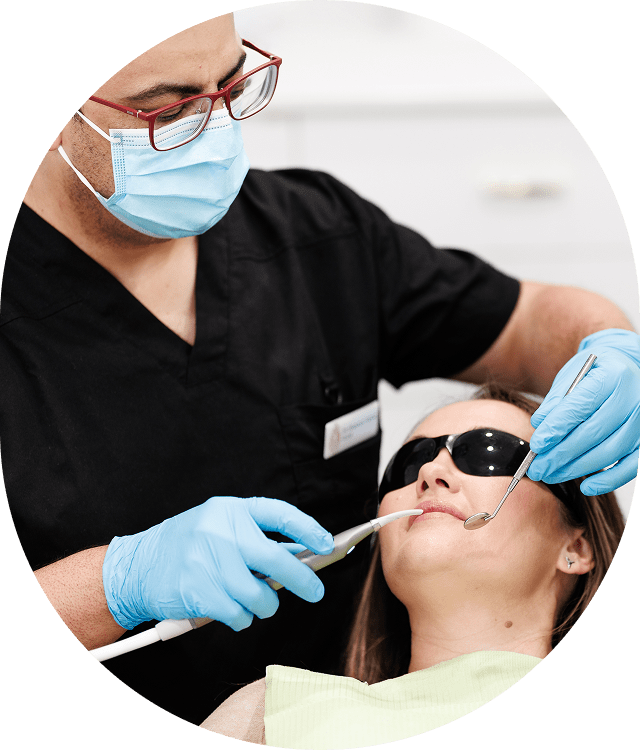
Experience natural‑looking tooth replacement using biocompatible dental implants in Joondalup. Each treatment is carefully planned to suit your unique dental needs and promote long‑term oral health.
Learn How Dental Implants Replace Missing Teeth and Support Long-Term Oral Health
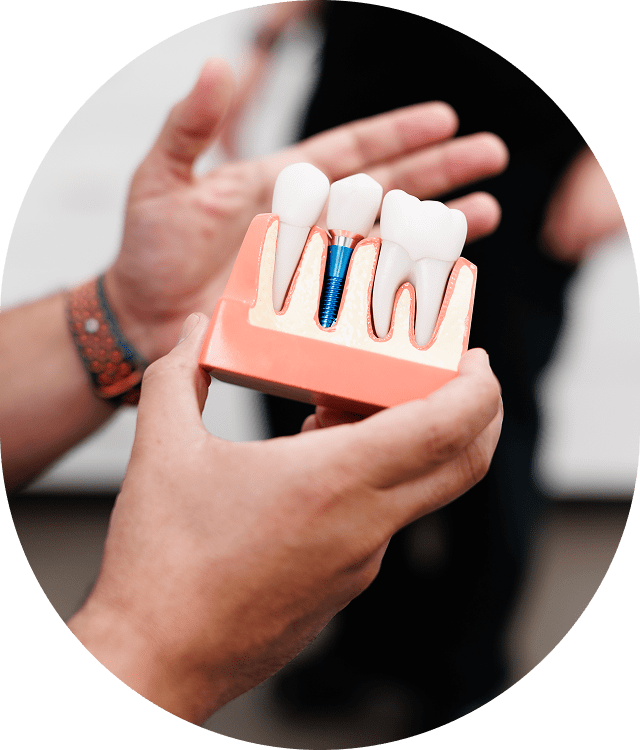
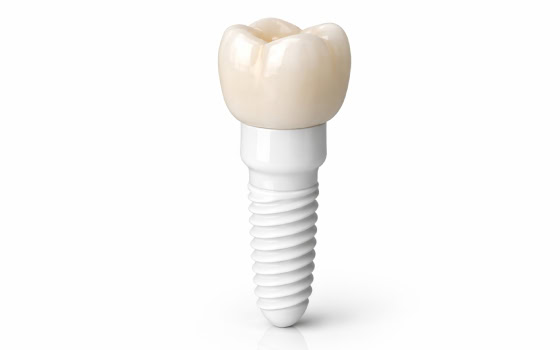
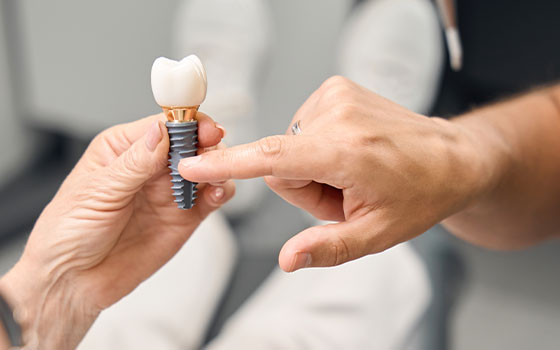
Dental implants replace missing teeth by acting as artificial roots, fusing naturally with the jawbone for stability. This creates a strong base for crowns or bridges, helping restore both function and appearance.
It also helps maintain jawbone health and reduce the movement of neighbouring teeth. With appropriate care and regular check‑ups, implants can contribute to long‑term comfort, function, and oral balance, although individual suitability may vary.
Ceramic or Titanium: What's the Difference?
Ceramic Dental Implants
- Ceramic dental implants are generally priced from around 7,500 AUD, with the final cost depending on individual treatment requirements.
- They are tooth-coloured and may be chosen by patients seeking a metal-free option.
- Ceramic materials are designed to integrate with gum tissue and resist corrosion.
- Suitability and outcomes vary, and your dentist will provide a personalised treatment plan and quote.
Titanium Dental Implants
VIEW DETAILS
- Maecenas fermentum mi id mattis congue. Maecenas tristique fermentum urna, mattis vestibulum justo dictum vel. Nunc malesuada ligula id eros maximus gravida.
- Maecenas placerat efficitur mauris sed condimentum.
- uspendisse aliquet, mi hendrerit volutpat lacinia, risus augue dapibus dolor, quis sodales diam erat non lacus.
- Suspendisse efficitur sed diam at dapibus. Nullam molestie consectetur pellentesque. Mauris dignissim massa ut purus tempor placerat.
- Titanium implants are generally priced from around 6,500 AUD, with the total cost varying according to treatment complexity and individual needs.
- Titanium is widely used in dentistry because of its strength and ability to bond with bone tissue.
- Different sizes are available to suit clinical requirements.
- Suitability and outcomes differ between patients, and your dentist will provide a tailored treatment plan.
Our Comprehensive Approach to Dental Implants
Considering Your Overall Health
We assess your medical history and general health when planning implant treatment. This helps us design care that supports both oral function and long-term stability, without overstating benefits beyond dental outcomes.
Use of Biocompatible Materials
Our implants are made from materials widely recognised in dental research for safety and durability. These are selected for their ability to integrate with bone, supporting long-term stability when used under appropriate clinical conditions.
Conservative Treatment Philosophy
We aim to preserve as much natural tooth and bone structure as possible during implant placement. This approach minimises unnecessary intervention, supports natural healing processes, and provides a foundation for sustainable oral rehabilitation.
Tailored Approach Guided By Your Health History
We take time to review your health background and medical history. This enables us to customise your treatment plan appropriately, providing care that is responsive to your individual circumstances and clinical needs.
Find Out If Dental Implants Are Right for You
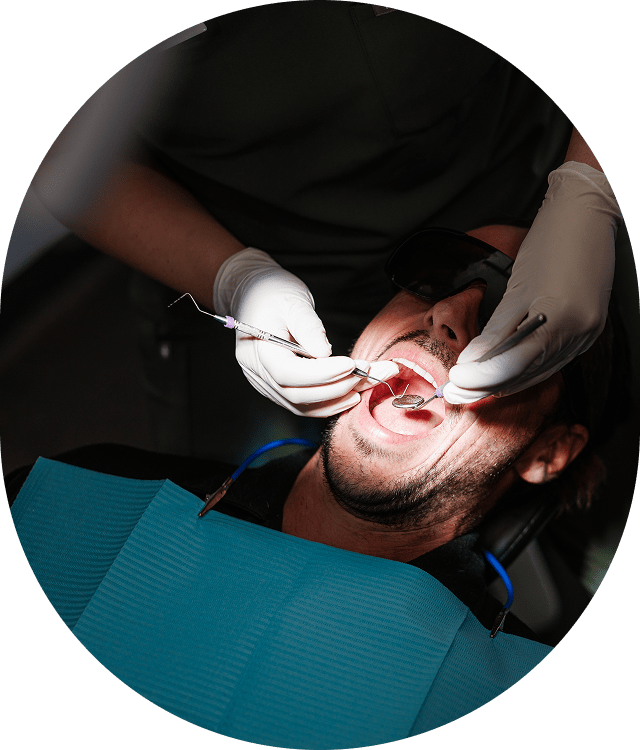
- You have one or more missing teeth and prefer a stable, non‑removable option instead of traditional dentures.
- Your jawbone health is generally good, or you are open to discussing treatment choices that may improve it.
- You are in overall good health and can attend regular dental appointments for implant maintenance.
- You understand results vary and want to explore if implants suit your needs.
Key Benefits of Modern Dental Implants
- Choosing dental implants in Joondalup may help restore chewing function, making it easier to enjoy a variety of foods.
- They are intended to match the colour of nearby teeth, aiming to improve appearance, though results vary individually.
- Implants may assist in preserving jawbone health and reducing changes that can occur after tooth loss.
- With regular care, implants may help maintain oral function and stability, though individual results vary.
Your Implant Journey, Clearly Explained
Initial Consultation and Planning:
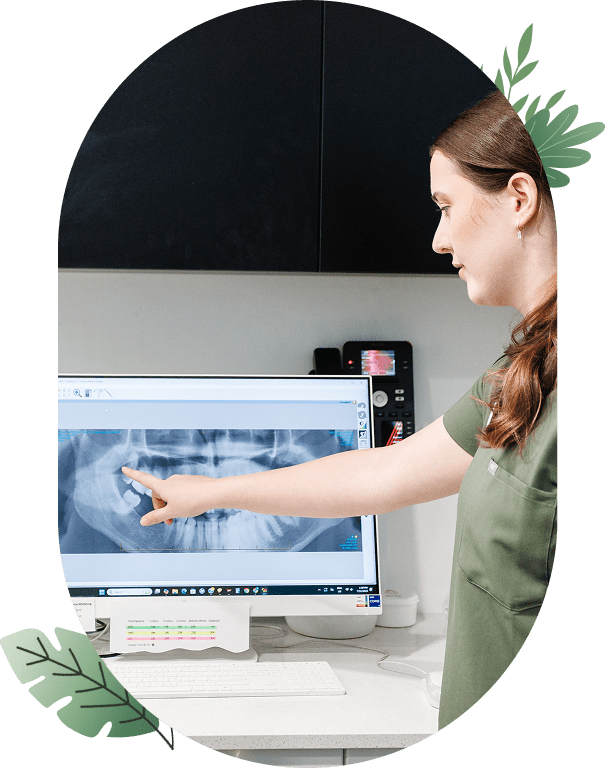
The journey begins with an initial consultation, where your oral health and medical history are reviewed. Your dentist will take any necessary scans or images. Together, you will discuss your treatment options and expected timeframes. The conversation will also cover whether dental implants are suitable for your circumstances.
Site Preparation Procedures:
If needed, the next stage involves preparing the implant site to achieve optimal conditions for placement. This may include tooth removal or bone grafting to improve jawbone density. Your dentist will explain each option, including possible benefits, risks, and how it may impact your treatment timeline.
Implant Placement Surgery:
The implant placement stage involves gently positioning the implant into the jawbone during a minor surgical procedure. A healing period follows, allowing the bone to integrate with the implant for stability. Your dentist will guide you on post‑procedure care to encourage healthy healing and reduce any potential complications.
Final Restoration Placement:
Once the implant has successfully integrated, a custom‑made crown, bridge, or denture is attached to restore function and appearance. This step completes the visible portion of your treatment. Your dentist will provide tailored advice on cleaning, maintenance, and scheduling regular check‑ups to help protect your long‑term oral health.
Dental Implant Costs Made Understandable
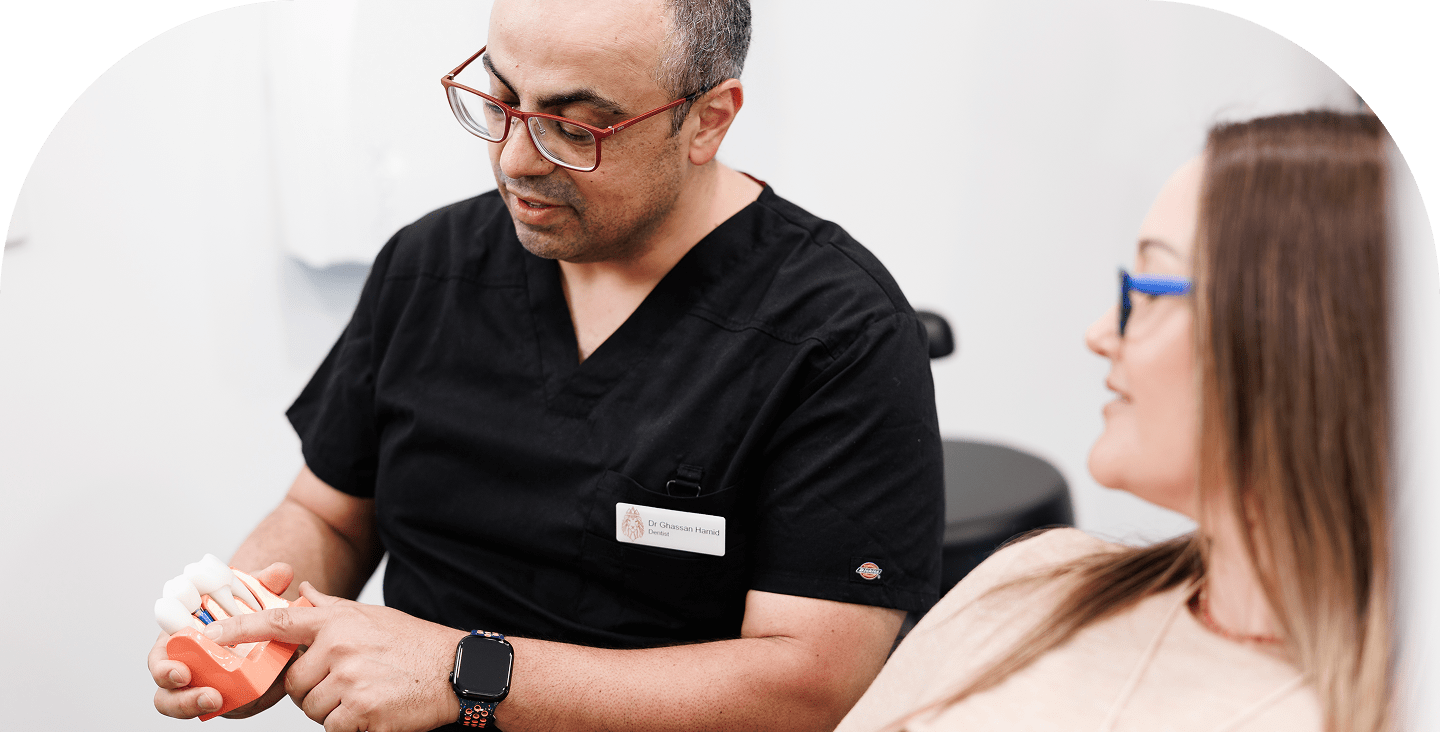
Crown Holistic Dental provides transparent, all-inclusive implant pricing to support planning. Implant treatments include implant components and 3D scans, with titanium or ceramic options and are provided by Dr. Ghassan Hamid (General Dentist, AHPRA Registration No. DEN0002134371).
Important Information on Risks: All implant procedures carry risks such as infection, implant failure, loosening, or the need for revision. Recovery times vary. Results differ for each patient and cannot be guaranteed.
SINGLE IMPLANTS
A single implant restores one missing tooth with natural function and appearance. Pricing covers the implant, crown, abutment, and 3D scan.
$6,000
$7,500
All-inclusive cost covering the implant, crown, abutment, and required clinical appointments
3D digital scans are used for treatment planning
Ceramic option is available at a higher fee, which may provide different appearance properties
Transparent pricing structure presented clearly with no hidden or unexpected additions (additional costs may apply if unforeseen clinical needs arise).
IMPLANT-RETAINED DENTURES
Snap-in dentures anchor to implants and remain removable for convenience. Pricing includes implants, denture, abutments, and 3D scan planning.
$12,000
$13,500
All-inclusive package covering implants, denture, abutments, attachments, and adjustment appointments
Removable design anchored to implants, designed to provide day-to-day stability
3D scans included to plan implant positions and guide denture fit
Ceramic components are available at a higher fee and may differ in durability and appearance
On-site laboratory support streamlines timelines and fabrication with coordinated communication
ALL-ON-X
All-on-X replaces a full arch with an implant bridge. Packages include implants, abutments, bridgework, and 3D scan planning.
$25,000
$30,000
All-inclusive package covering implants, fixed bridge, abutments, and scheduled review appointments
Fixed full-arch restoration designed to support comfortable chewing and clear speech
3D scans included for planning accuracy, surgical guides, and detailed prosthetic design
Ceramic option available at higher price for aesthetics and wear-resistant properties
Holistic approach considers healing, health history, and materials patients prefer throughout planning
IMPLANT-SUPPORTED DENTURES
Implant-supported dentures provide stability for upper or lower jaws. Pricing includes dentures, implants, abutments, and detailed 3D scan planning.
$14,750
$16,250
All-inclusive package includes dentures, implants, abutments, attachments, and adjustment visits
Upper or lower arches supported by implants for stability and comfort
3D scans included to guide placement, angulation, and inform denture design details
Ceramic options are available and may differ in strength and appearance
On-site laboratory advantage offers efficient coordination and value for patients

Flexible Payment Options for Stress-Free Dental Visits
Zip offers interest-free instalments for eligible applicants. Repayments can be managed over time through the Zip app after your application is approved.
Learn Morehumm provides interest-free payment plans for eligible patients. Choose from short- or long-term repayments based on your treatment and preferences.

Learn MoreSuperCare assists eligible individuals in applying for early access to their superannuation to fund essential dental treatments through the ATO’s compassionate release process.

Learn MoreAfterpay allows approved patients to pay for dental treatment in four interest-free fortnightly instalments, helping manage costs without needing to pay the full amount upfront.
Learn MoreFund My Dental offers weekly, interest-free payment plans for approved patients. Costs are spread over time with no deposit required. Terms and eligibility criteria apply.

Learn MoreFrequently Asked Questions

How long do dental implants typically last?
Dental implants are designed for long-term use when supported by good oral care and regular professional monitoring. The implant post—the titanium component placed in the jawbone—may remain functional for many years if conditions are suitable. Attached restorations, such as crowns, bridges, or dentures, usually require replacement over time, with durability varying between patients.
The actual lifespan of a dental implant can vary based on several key factors:
- Oral hygiene:
Good brushing, flossing, and regular dental visits help prevent infection and maintain implant health. - Lifestyle habits:
Smoking and excessive alcohol consumption can interfere with healing and increase the risk of implant failure. Avoiding these habits promotes better long-term outcomes. - Bone quality:
The success of an implant depends on having enough healthy bone to anchor it securely. If the bone is insufficient, a grafting procedure may be recommended to build the necessary support. - Tooth grinding:
Bruxism can wear down or loosen the implant. A night guard may be recommended. - Restoration material: Materials like porcelain or zirconia are often chosen for their strength and aesthetics. Over time, however, these restorations may wear down and require replacement.
- Health conditions:
Issues like uncontrolled diabetes or autoimmune disorders can affect healing. - Regular maintenance:
Ongoing professional care helps identify problems early and prolong the implant’s lifespan.
What materials are dental implants made of?
The implant post—the part placed into the jawbone—is usually made from titanium or zirconia, which are widely used in dentistry due to their strength, durability, and biocompatibility.
- Titanium:
Dental implants usually use medical-grade titanium or titanium alloys. Titanium has a long history in dental and medical applications and bonds naturally with bone through a process known as osseointegration. It is lightweight, strong, and suitable for long-term use. - Zirconia:
Zirconia is a metal-free material commonly used in ceramic dental implants, offering a non-metal alternative for patients with metal sensitivities or those seeking a more natural-looking option. These implants are often designed as one-piece units, which can limit the ability to customise components compared to traditional multi-part systems. However, they may be preferred for their aesthetic appeal and biocompatibility. Your dentist will assess whether zirconia is a suitable option based on your oral health, treatment goals, and individual needs.
If you’re considering dental implants in Joondalup, your dentist will recommend a suitable implant material. This choice will be based on your oral health, medical history, and personal preferences.
How much do dental implants cost?
Dental implant costs can vary widely. Factors that may influence pricing include the following:
- Number of implants:
Replacing one tooth with a single tooth dental implant is generally less costly than restoring several or supporting a full denture. - Type of restoration:
Implant-supported dental crowns, bridges, and dentures vary in complexity and materials. - Additional procedures:
Bone grafting or sinus lifts may be needed if there isn’t enough bone to secure the implant. - Surgical complexity:
Factors like bone density or implant location can affect the difficulty and cost of placement. - Material choices:
Materials like zirconia or customised abutments may affect the overall fee. - Treatment planning:
Digital scans and 3D planning assist with precise placement and may be included in the treatment cost. - Case complexity:
Costs can change based on the complexity of your treatment plan and the steps involved. - Location of treatment:
Tooth implant cost in Joondalup may vary compared to other regions due to differences in local operating costs, dental laboratory fees, and the technologies or materials used by the clinic.
If you’re wondering about tooth implant cost in Joondalup, reach out to us. We’ll assess your needs and provide a personalised quote based on your treatment requirements.
Are dental implants a long-term option for missing teeth?
Dental implants are commonly chosen for long-term tooth replacement, and clinical studies have shown they can remain functional over extended periods when well-maintained.
A systematic review analysed outcomes for over 10,000 implants and found a 10-year survival rate of 96.4%, with a prediction interval of 76.6%-100% across various clinical settings. These results indicate that implants may remain functional for many years, particularly when placed in suitable conditions and combined with regular care.
Several reasons contribute to their long-term performance:
- Osseointegration:
The implant fuses with the jawbone, providing a stable foundation that withstands daily chewing forces. - Biocompatible materials:
Titanium and zirconia are well-tolerated by the body and resist corrosion or breakdown over time. - Bone preservation:
Unlike other options, implants stimulate the jawbone, helping prevent bone loss in the area of the missing tooth. - Consistent hygiene and maintenance:
Long-term outcomes are sustained through daily cleaning and regular professional monitoring to manage inflammation or mechanical wear.
What is the downside to dental implants?
While dental implants offer many advantages, there are also some considerations and risks to be aware of:
- Surgical procedure required:
Placing a dental implant involves a surgical procedure, usually performed under local anaesthesia. As with any surgery, there are general risks, such as swelling, infection, or discomfort during healing. - Time commitment:
The full process may take several months, particularly if additional procedures, such as bone grafting, are needed beforehand. - Cost:
Implant treatment can involve a higher investment compared to other tooth replacement options. The cost will vary based on your treatment plan and whether supplementary procedures are required. - Not suitable for everyone:
Certain health conditions, such as uncontrolled diabetes, smoking, or reduced bone volume, can affect healing and implant success. - Potential for complications:
In some cases, issues like implant movement, nerve sensitivity, or inflammation of the surrounding tissue may occur. Regular dental visits allow for early detection and ongoing implant care.
Can anyone get dental implants, or are there restrictions?
Dental implants are frequently used as a missing teeth replacement option, but they may not be suitable for every individual. Several health and oral factors can influence whether they are the right choice:
- Jawbone volume and quality:
Adequate bone is needed to secure an implant. If the bone has deteriorated or is too soft, procedures like bone grafting may be required beforehand. - Age and development:
Implants are generally not placed until jaw growth is complete, usually in adulthood. - Medical conditions:
Uncontrolled diabetes, immune-related conditions, or delayed healing may affect implant outcomes. - Smoking and alcohol use:
These can interfere with healing and increase the risk of complications during and after treatment. - Gum health:
Active gum disease must be addressed before implants can be considered. - Oral hygiene and follow-up care:
Maintaining daily cleaning habits and attending regular dental visits helps maintain the health of the implant over time.
Do dental implants feel and function like natural teeth?
Dental implants are designed to support normal eating, speaking, and oral care in a way that many people find similar to natural teeth. While they don’t contain nerves and may not feel the same, implants are commonly used to restore comfort and function in daily life.
Several features contribute to how they feel and perform:
- Anchored in bone:
The implant post is placed into the jawbone, creating a secure foundation that helps prevent shifting during use. - Custom-shaped crown or bridge:
The visible tooth is shaped and shaded to match nearby teeth, delivering a natural appearance. - Normal chewing strength:
Implants are designed to manage everyday bite forces so you can eat a wide range of foods. - Independent structure:
They don’t rely on surrounding teeth, helping maintain the health of adjacent natural teeth. - Routine care:
Daily brushing and flossing can be performed around implants just like natural teeth.
How long does it take to complete the dental implant process?
The dental implant process usually spans around three to six months, though this can vary based on individual factors. Here’s a general breakdown of the stages:
- Initial consultation and planning:
Your dentist will assess your oral health, take X-rays or 3D scans, and develop a treatment plan. This may require one or more visits, depending on your diagnostic needs. - Preparatory procedures (if needed):
If bone grafting or other preliminary treatments are required, this can extend the timeline by several months to allow for healing. - Implant placement:
The implant post is surgically placed under local anaesthesia. Many patients can resume light activities within a few days. - Healing and bone integration (osseointegration):
The implant gradually fuses with the jawbone, usually over two to six months, depending on bone quality and healing. - Restoration placement:
Once healing is complete, a crown, bridge, or denture is attached to the implant. This step may take one to two weeks.
What should I expect during the dental implant healing period?
After a dental implant is placed, your body begins a healing process where the implant integrates with the surrounding bone. This process, known as osseointegration, is essential for long-term stability and may take several weeks to a few months, depending on your healing response.
Here’s what you can generally expect:
- Mild discomfort:
Swelling, tenderness, or bruising is common for a few days after surgery. Your dentist may recommend suitable pain relief. - Soft food diet:
You may be advised to eat soft foods temporarily to avoid placing pressure on the surgical area. - Stitches and dressings:
If stitches are used, they may dissolve or be removed at a follow-up appointment within 7–10 days. - Bone integration phase:
The implant gradually bonds with your jawbone during the healing period. This isn’t something you’ll feel, but you may be asked to avoid biting on the implant area during this phase. - Follow-up visits:
Your dentist will schedule review appointments to check that healing is progressing well and that there are no signs of infection or implant movement. - Oral hygiene:
Keeping the area clean is important. Your dentist will provide tailored instructions for brushing, rinsing, and caring for the implant site during recovery.
Can dental implants be placed immediately after extraction?
In some cases, a dental implant can be placed on the same day as a tooth is removed. This method is known as immediate implant placement, and it may be considered based on your individual oral and general health.
Factors that influence whether immediate placement is suitable include the following:
- Bone volume:
Adequate bone must be present at the extraction site to stabilise the implant. - Gum condition:
The gum tissue around the area should be free from infection or inflammation to promote healing. - Tooth location:
Some areas of the mouth may be more suitable for immediate placement due to factors like bite pressure or appearance. - Overall oral health:
Practising good oral hygiene and having healthy gum tissue may contribute to improved healing and implant stability. - Medical considerations:
Your general health and ability to heal also influence whether this option is appropriate.
If immediate placement isn’t recommended, your dentist may suggest allowing the area to heal for a short time before placing the implant.
What is the difference between implants, bridges, and dentures?
Dental implants, bridges, and dentures are all missing teeth replacement options. However, they differ in the following aspects:
What they are
- Dental implants: A dental implant is a small post, usually made of titanium or zirconia, that is placed into the jawbone where a tooth root once was. Once healing is complete, a crown, bridge, or denture is attached to restore appearance and function.
- Dental bridges: A bridge is used to replace one or more missing teeth by securing an artificial tooth to the natural teeth next to the gap. The supporting teeth are shaped to hold the bridge in place.
- Dentures: Dentures are removable dental appliances used to replace multiple or all missing teeth. They rest on the gums and may be held in place by suction, adhesive, or implant attachments.
Materials used
- The implant post is usually made from titanium or zirconia.
- Bridges are often made from metal, porcelain fused to metal or zirconia, depending on aesthetic and durability requirements.
- Dentures are made from an acrylic base with artificial teeth crafted from resin or porcelain. Partial dentures may also include metal components for additional support.
Impact on nearby teeth
- Implants are placed independently and do not affect the surrounding teeth.
- Bridges require nearby teeth to be reshaped to provide stability for the bridge.
- Dentures are made to rest directly on the gum tissue and may touch nearby teeth. However, these teeth usually don’t need to be reshaped or modified.
Daily care and cleaning
- Implants can be cleaned using brushing and flossing routines similar to those used for natural teeth.
- Bridges require floss threaders or special tools to clean underneath.
- Dentures must be removed every day for cleaning and soaked overnight.
Comfort and everyday use
- Implants are designed to provide stability for chewing and speaking, which many people find beneficial.
- Bridges remain in place and can feel natural once adjusted to.
- Dentures may take time to get used to and can feel less stable at first, especially during eating or speaking.
Expected lifespan
- Implant posts may last 20 years or more with good oral hygiene and professional care.
- Bridges usually last over 10 years, depending on materials and maintenance.
- Dentures generally need relining or replacement every five to eight years as the shape of the mouth changes.
How do I take care of dental implants after placement?
Caring for your dental implants may help promote healing and contribute to long-term function. Like natural teeth, they require consistent at-home care and regular professional monitoring.
Here are key steps often recommended during implant aftercare:
- Brush thoroughly twice a day:
Use a soft toothbrush with gentle, circular motions to clean the implant, surrounding gum tissue, and any attached restoration. - Clean between teeth and around the implant:
Tools like floss, interdental brushes, or implant-specific cleaning aids can help reduce plaque in hard-to-reach areas. - Use recommended rinses:
Your dentist may advise using an antimicrobial mouthwash or saline rinse, especially during the early healing phase. - Attend regular dental check-ups: Ongoing examinations allow your dentist to assess the condition of the implant and the health of nearby tissues.
- Book professional cleanings:
Dental professionals use instruments designed for use around implants to clean thoroughly while minimising the risk of damage to the implant surface or nearby tissues. - Consider lifestyle factors:
Smoking has been linked to slower healing and may increase the risk of implant-related complications. - Follow dietary guidance during healing:
You may be asked to stick to soft foods for a short time and avoid placing pressure directly on the implant site.
What happens if I delay replacing a missing tooth?
Delaying replacement of a missing tooth with a single tooth dental implant can lead to oral health changes, depending on your situation. While some people do not experience immediate effects, others may notice gradual shifts over time.
Here are some common changes that can occur:
- Shifting of nearby teeth:
Adjacent teeth may begin to move into the space where a tooth has been lost. This can create gaps or crowding and may affect overall alignment. - Changes in bite alignment:
As nearby teeth shift, the way your upper and lower teeth come together (your bite) may change, which can affect comfort, function, and jaw strain. - Bone loss:
The bone that once supported the tooth may begin to shrink due to a lack of stimulation. This is known as bone resorption and can make future treatment more complex. - Gum changes:
Gum tissue near the missing tooth may recede or become more difficult to clean, increasing the risk of plaque accumulation or inflammation. - Chewing and speech changes:
A missing tooth may impact your ability to chew certain foods or pronounce certain words clearly, especially if several teeth are missing. - Aesthetic considerations:
Depending on its location, a visible gap in the smile may affect appearance and confidence for some people.
Are dental implants an option for older patients?
Dental implants may be appropriate for some older adults, depending on their general health, oral condition, and treatment goals. Age alone is not usually a barrier to implant treatment.
Safety depends on individual health status, bone quality, and the body’s ability to heal after the surgical procedure. Here are some factors that your dental team will consider:
- Health status matters more than age:
Older adults in stable general and oral health may tolerate implant surgery well. Conditions like well-managed diabetes or high blood pressure do not automatically rule out treatment. - Clinical studies support their use in older patients:
Evidence shows that dental implants can be a reliable option for elderly patients (65 years and older) when carefully planned. - Risk assessment is done individually:
Your dentist will review your medical history, current medications, and bone density to determine if implants may be a suitable option for you. - Healing and recovery:
Some older adults may heal more slowly, particularly if chronic health conditions or medications influence the body’s natural healing process.
Can dental implants support more than one missing tooth?
Dental implants may be utilised to replace multiple missing teeth, depending on your oral health, jawbone structure, and overall treatment goals. They can anchor individual teeth or be used as part of a broader restorative plan.
Here are common ways implants are used for more than one tooth:
- Implant-supported bridges:
When several teeth in a row are missing, two or more implants may be used to hold a bridge in place. This allows multiple teeth to be replaced without needing an implant for each missing tooth. - Implant-retained partial dentures:
If several teeth are missing in different areas, implants can enhance stability and help hold a removable partial denture in place. This approach may assist with chewing and retention. - Full-arch options:
In cases where all teeth in one arch are missing, a small number of strategically placed implants may be used to hold a full-arch prosthesis. The number of implants and the type of restoration will depend on your bone condition and treatment plan.
Your dentist will evaluate the number and position of missing teeth, as well as your bone quality and bite, to determine the appropriate approach.
How does Crown Holistic Dental approach implant dentistry with a biological focus?
At Crown Holistic Dental, implant care is guided by a biologically focused philosophy that considers both oral and general health. The team takes into account materials, surgical methods, and individual patient needs to guide treatment planning.
Key aspects of our approach include the following:
- Material selection:
Where suitable, ceramic dental implants may be offered as an alternative to traditional titanium. These implants are metal-free and may be preferred by patients who wish to avoid metal-based materials. Their tooth-coloured appearance can be helpful in visible areas of the mouth. - Minimally invasive methods:
The clinic uses techniques designed to reduce disruption to the surrounding tissues during implant placement. This approach facilitates healing and helps preserve healthy bone and gum structures. - Comprehensive patient evaluation:
Planning includes a broad review of the patient’s oral condition, overall health, lifestyle, and treatment goals. This allows for an individualised approach that considers the patient’s continued care. - Adjunctive supportive care:
Treatments like ozone therapy may be used as part of the clinical process. Ozone has antimicrobial properties and may be applied to reduce bacteria in the surgical area during treatment. - Team-based care when appropriate:
The clinic may coordinate with other healthcare providers to help maintain the patient’s overall health during their dental treatment journey.
Fund My Dental